Table of Contents
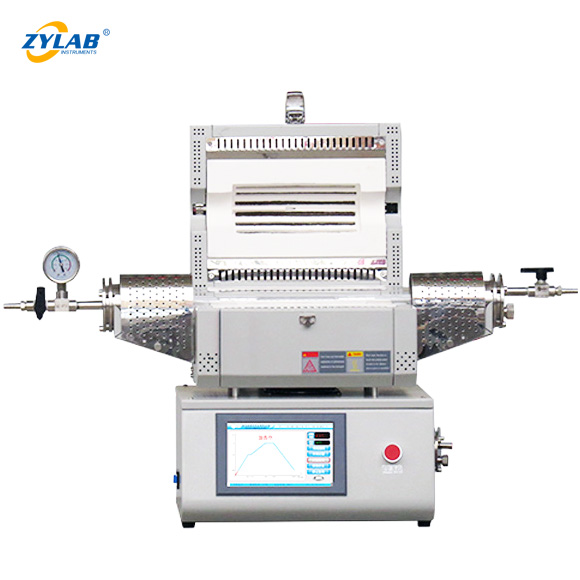
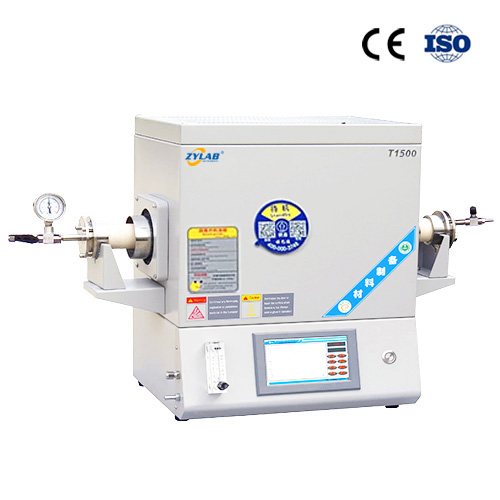
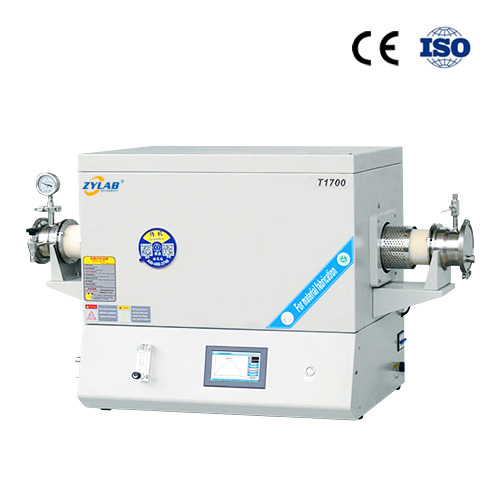
Choosing the right laboratory tube furnace is important for achieving reliable and repeatable results in material research. A tube furnace is commonly used for processes such as heat treatment, calcination, sintering, annealing, oxidation, reduction, thermal testing, and atmosphere-controlled experiments.
However, selecting a laboratory tube furnace based only on its maximum temperature is often not enough. The furnace tube material, working atmosphere, vacuum capability, heating zone, sample size, heating rate, temperature uniformity, and gas flow can all affect the experimental results.
This guide explains the key parameters researchers should consider when choosing a laboratory tube furnace for material research.
Temperature: What Maximum Temperature Do You Need?
The first consideration is the required operating temperature.
Laboratory tube furnaces are available in different temperature ranges, commonly from around 1000°C to 1700°C or higher. The appropriate temperature depends on the material and process being studied.
For example:
| Low-temperature heat treatment | 500–1000°C |
| Calcination and ceramic research | 1000–1400°C |
| Powder metallurgy | 1200–1600°C |
| Advanced ceramic sintering | 1400–1700°C |
It is important to distinguish between the maximum temperature and the continuous operating temperature.
A furnace may have a maximum temperature of 1700°C, while the recommended continuous operating temperature is lower. When comparing furnaces, check both specifications rather than selecting a model only by its maximum rated temperature.
Practical tip
Choose a furnace with some temperature margin above your actual process temperature. For example, if your experiment requires 1400°C for extended periods, a furnace rated only slightly above 1400°C may not provide sufficient operating flexibility.
Tube Material: Which Furnace Tube Is Suitable for Your Experiment?
The furnace tube is in direct contact with the experimental atmosphere and can therefore influence the experiment.
Different tube materials have different temperature limits, chemical resistance, mechanical strength, and compatibility with gases.
Common laboratory tube materials include:
- Quartz
- Alumina
- Metal alloys such as stainless steel or high-temperature alloys
- Other specialized materials for specific applications
Quartz tubes
Quartz tubes are widely used for laboratory experiments involving inert or oxidizing atmospheres at moderate-to-high temperatures. They provide good transparency, allowing researchers to observe the sample during heating.
Alumina tubes
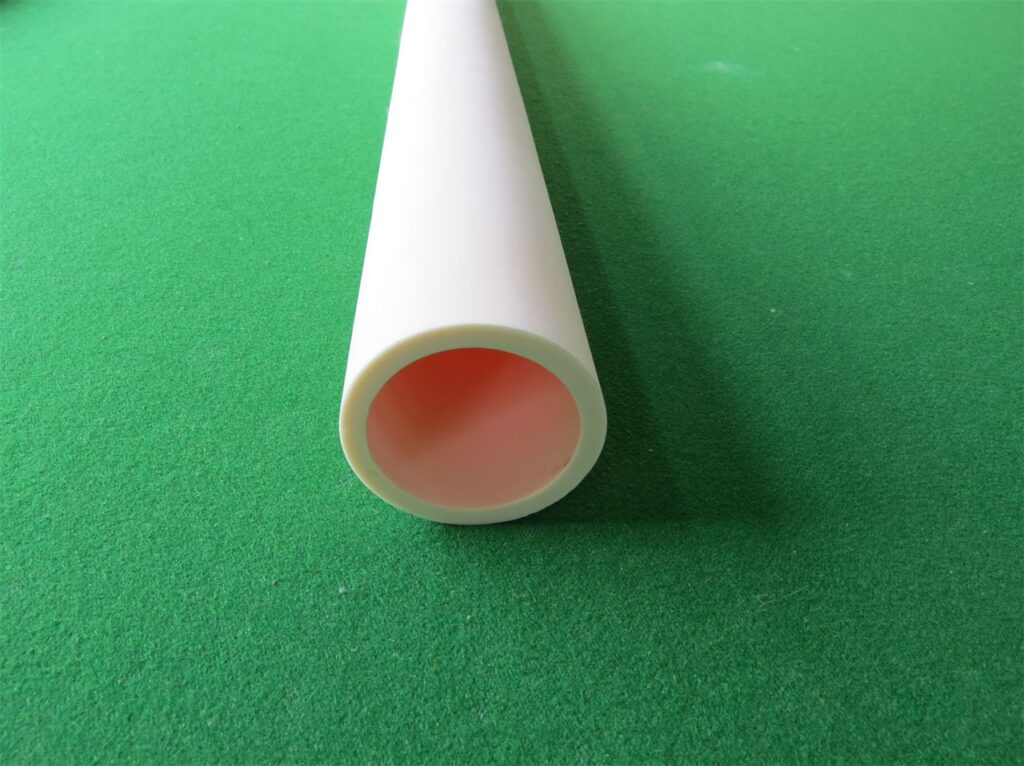
Alumina tubes are suitable for higher-temperature applications and many ceramic and materials-science experiments. High-purity alumina can also be selected when contamination needs to be minimized.
Metal tubes
Metal tubes can be useful for specific atmosphere-controlled processes, particularly where mechanical strength, pressure resistance, or compatibility with particular gases is important.
Practical tip
Do not select the tube material based on temperature alone. Also consider:
temperature + atmosphere + chemical compatibility + sample material + vacuum/pressure requirements.
Atmosphere: What Gas Environment Does Your Material Require?
Atmosphere control is one of the main advantages of a laboratory tube furnace.
Depending on the experiment, researchers may need:
- Air
- Nitrogen (N₂)
- Argon (Ar)
- Hydrogen (H₂)
- Oxygen (O₂)
- Mixed gases
- Other customized process gases
Different atmospheres can significantly change material behavior.
For example:
Inert atmosphere:
Used to reduce oxidation during heat treatment, annealing, and material synthesis.
Hydrogen or reducing atmosphere:
Used in reduction, hydrogen treatment, powder metallurgy, and certain sintering processes.
Oxidizing atmosphere:
Used for oxidation studies and specific material synthesis processes.
Vacuum + inert gas:
Useful when researchers need to remove air and moisture before introducing a controlled atmosphere.
For atmosphere-sensitive experiments, the furnace should provide stable gas introduction and sufficient sealing around the tube.
Vacuum: Do You Need Vacuum Capability?
Not every tube furnace requires vacuum operation.
However, vacuum capability can be valuable when the experiment requires a low-oxygen or low-pressure environment.
A vacuum tube furnace can typically be used to:
- Remove air from the furnace tube.
- Reduce residual oxygen and moisture.
- Establish a controlled low-pressure environment.
- Introduce inert or process gases after evacuation.
- Perform heating under vacuum or controlled atmosphere conditions.
When selecting a vacuum tube furnace, check the vacuum level, leakage rate, sealing structure, tube material, and compatibility between the vacuum system and furnace atmosphere.
Heating Zone: Single Zone or Multi-Zone?
The heating zone determines how temperature is distributed along the furnace tube.
Single-zone tube furnace
A single heating zone is often sufficient for:
- Basic heat treatment
- Calcination
- Annealing
- Small-scale material synthesis
- General laboratory experiments
It is usually simpler and more economical.
Multi-zone tube furnace
Multi-zone furnaces provide more precise temperature control along the length of the tube.
They can be useful for:
- Temperature-gradient experiments
- Chemical vapor deposition (CVD)
- Material synthesis
- Crystal growth
- Diffusion studies
- Controlled reaction processes
For example, a three-zone furnace can create different temperature regions within the same tube, allowing researchers to control the thermal profile around the sample or reaction area.
Practical tip
If your research requires only one stable temperature region, a single-zone furnace may be sufficient. If you need different temperatures at different positions, consider a multi-zone system.
Sample Size: How Large Is Your Material or Sample Holder?
Sample size is another important but sometimes overlooked parameter.
The furnace tube must be large enough to accommodate:
- The sample
- Crucibles
- Boats
- Sample holders
- Fixtures
- Thermocouples
- Other experimental components
When selecting the tube diameter, consider not only the physical dimensions of the sample but also the space required for gas circulation.
For example, a sample that is 30 mm wide should not necessarily be placed inside a tube with only a slightly larger internal diameter.
A larger tube may provide more experimental flexibility, but it also generally requires more gas to purge and may have different heating characteristics.
Questions to consider
Before ordering a tube furnace, determine:
- What is the maximum sample size?
- Will the sample be placed in a crucible or boat?
- Do you need multiple samples in one experiment?
- Is a thermocouple required near the sample?
- Do you need space for gas flow around the sample?
Heating Rate: How Quickly Does the Furnace Need to Heat?
Heating rate refers to how quickly the furnace temperature increases, commonly expressed in:
°C/min
The required heating rate depends on the material and experimental procedure.
A fast heating rate can reduce processing time, but it is not always desirable.
Some materials require controlled heating to avoid:
- Thermal shock
- Cracking
- Deformation
- Rapid gas evolution
- Uneven reactions
- Sudden changes in material structure
For example, ceramic materials and complex powder systems may require several heating stages with controlled ramps and holding periods.
A programmable temperature controller is therefore useful for experiments requiring:
Ramp → Hold → Ramp → Hold → Cooling
Researchers should check not only the furnace’s maximum heating rate but also whether the controller supports programmable temperature profiles.
Temperature Uniformity: Is the Temperature Consistent Around Your Sample?
Maximum temperature does not tell you how uniform the temperature is.
Temperature uniformity is particularly important when the sample must experience a stable and consistent thermal environment.
Poor temperature uniformity can result in:
- Uneven sintering
- Different reaction rates
- Non-uniform phase transformation
- Inconsistent material properties
- Poor experimental repeatability
The effective heating zone should therefore be considered together with the sample size.
For example, if a furnace has a 100 mm uniform heating zone but your sample occupies 180 mm, the entire sample may not experience the same temperature.
What to check
When comparing laboratory tube furnaces, look for:
- Temperature uniformity
- Temperature stability
- Heating-zone length
- Thermocouple position
- Controller accuracy
- Furnace insulation design
For precision material research, temperature uniformity at the sample position is often more important than simply having a higher maximum temperature.
Gas Flow: How Much Process Gas Do You Need?
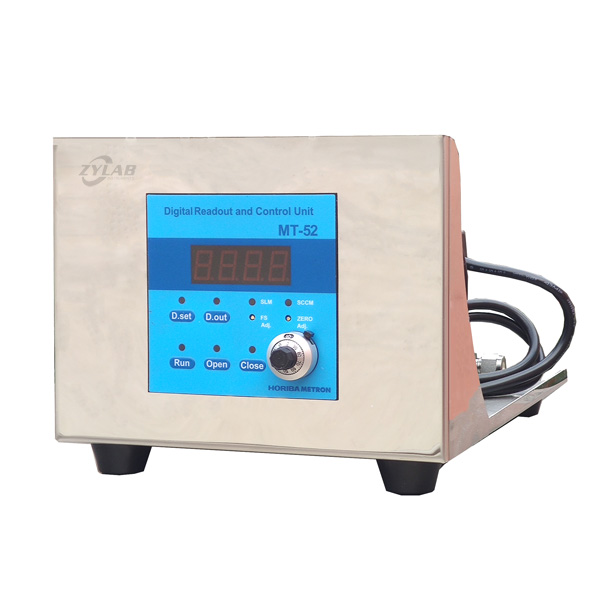
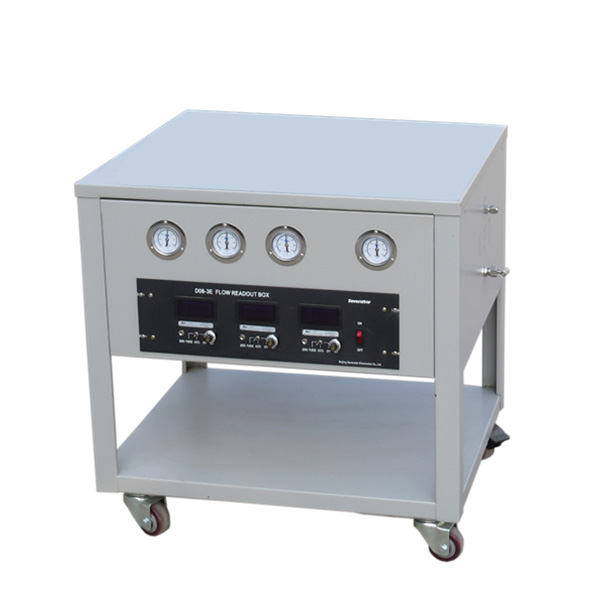
Gas flow is particularly important for atmosphere-controlled tube furnace experiments.
The gas flow rate determines how quickly the furnace tube can be purged and how effectively the desired atmosphere is maintained.
Gas flow is usually specified in:
L/min, mL/min, or sccm
The required flow depends on:
- Tube volume
- Tube diameter
- Furnace length
- Desired atmosphere
- Sample properties
- Process temperature
- Experimental procedure
For example, an inert-gas experiment may require an initial high flow rate for purging, followed by a lower flow rate during the heating stage.
Some experiments may also require:
Vacuum → Gas Purge → Vacuum → Gas Filling → Heating
For advanced atmosphere-controlled experiments, a mass flow controller or multiple gas channels can provide more precise control.
Practical tip
Do not simply choose the largest gas flow rate available. Excessive gas consumption can increase operating costs and may not improve the experimental atmosphere.
Instead, select a gas delivery system that provides the flow range required by your process.
Application: What Are You Actually Using the Tube Furnace For?
The final and perhaps most important question is:
What material research process will the furnace perform?
Different applications may require very different furnace configurations.
Ceramic Sintering
For ceramic research, researchers may prioritize:
- High temperature
- Excellent temperature uniformity
- Alumina tube
- Programmable temperature control
- Appropriate heating zone
Powder Metallurgy
Powder metallurgy experiments may require:
- High-temperature operation
- Inert or reducing atmosphere
- Vacuum capability
- Controlled gas flow
- Programmable heating profiles
Material Heat Treatment
Heat treatment applications may focus on:
- Temperature stability
- Heating rate
- Atmosphere control
- Sample size
- Repeatable temperature programs
Reduction Experiments
Reduction processes may require:
- Controlled reducing gas
- Gas flow regulation
- Sealed furnace tube
- Vacuum or pre-purge capability
- Appropriate safety systems
CVD and Materials Synthesis
CVD and other gas-phase synthesis processes may require:
- Multi-zone heating
- Accurate temperature control
- Stable gas flow
- Multiple gas channels
- Appropriate tube material
- Long uniform heating zones
Thermal Testing
Thermal testing may require:
- Precise temperature control
- Controlled heating rates
- Good temperature uniformity
- Suitable sample holders
- Data recording or programmable control
How to Match Furnace Specifications to Your Research
A good laboratory tube furnace should be selected as a complete system, rather than based on one specification.
For example:
High-temperature ceramic sintering
→ High temperature + alumina tube + good temperature uniformity + programmable control
Hydrogen reduction of metal powders
→ Appropriate temperature + compatible tube + hydrogen atmosphere + controlled gas flow + safety protection
CVD material synthesis
→ Multi-zone heating + precise temperature control + multiple gas channels + stable gas flow
Oxygen-sensitive material processing
→ Vacuum capability + inert gas + good sealing + controlled gas flow
This approach helps researchers avoid purchasing a furnace that has the correct maximum temperature but lacks the atmosphere control, tube material, heating zone, or sample capacity required for the actual experiment.
Explore Laboratory Tube Furnace Solutions
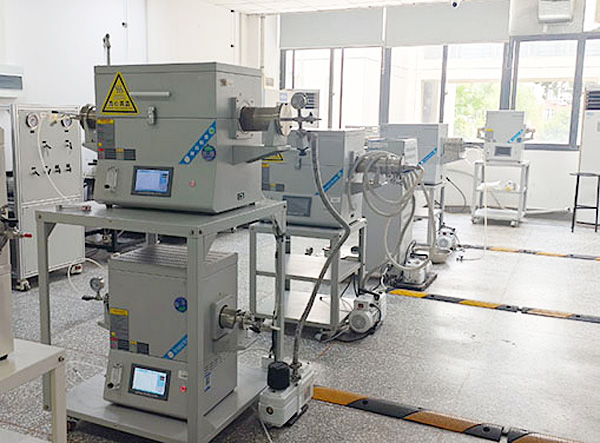
Choosing the right tube furnace depends on your temperature requirements, tube material, atmosphere, vacuum conditions, heating zone, sample size, and specific research application.
ZYLAB provides laboratory tube furnace solutions for a wide range of materials research, ceramic sintering, powder metallurgy, heat treatment, calcination, reduction, and atmosphere-controlled experiments. Configurations can be selected according to different temperature ranges, tube sizes, atmospheres, heating zones, and experimental requirements.
Explore our laboratory tube furnace range to find a configuration that fits your research needs.
Get In Touch
Fill out the form below — free quote and professional suggestion will be sent for reference very soon!