Category Archives: Laboratory

Laboratory

Precautions for Using Mini Tube Furnaces: Safe Operation Guide for High-Temperature Sintering

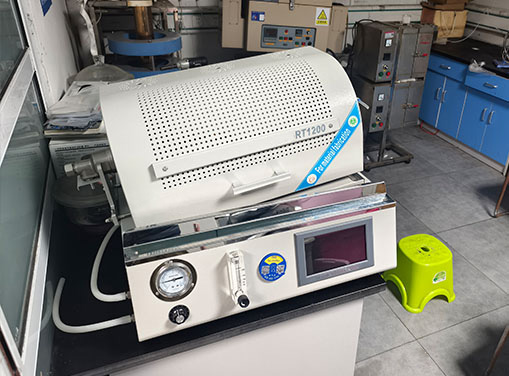
Using Mini Tube Furnaces

Using a mini tube furnace safely requires careful attention to pressure control, gas flow, temperature calibration, and material purity. Following these precautions will help you achieve reliable high-temperature sintering results, protect the furnace from damage, and maintain a safe laboratory environment.

The Role of Vacuum Box Furnaces in High-Temperature Preparation of Oxidation-Sensitive Materials like Titanium Alloys and High-Purity Alumina Ceramics

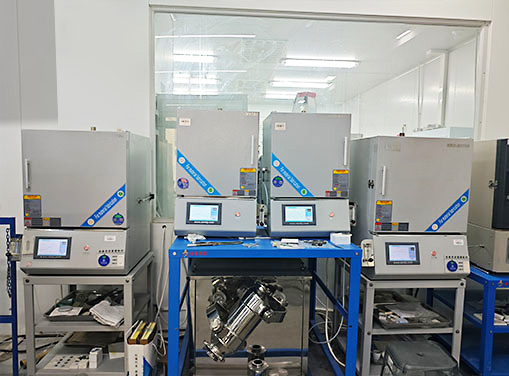
Clean-Type Vacuum Box Furnace for Oxidation-Sensitive Materials Titanium Alloys & High-Purity Alumina Ceramics

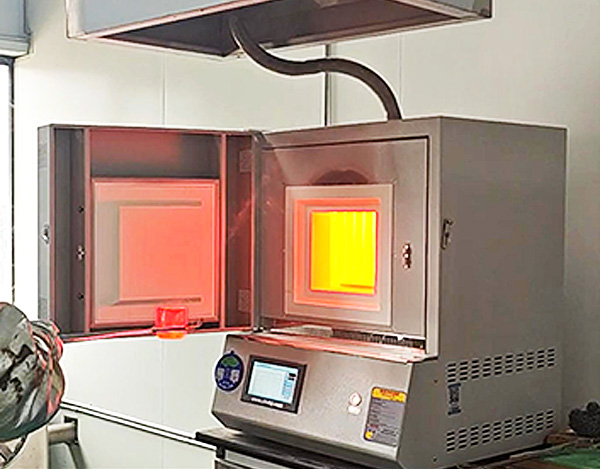
For the high-temperature preparation of oxidation-sensitive materials like titanium alloys and high-purity alumina ceramics, a clean-type vacuum box furnace is an indispensable tool. By providing a controlled vacuum environment, uniform heating, and clean protective atmospheres, it ensures material purity, reproducibility, and superior performance.

How to Measure Sample Surface Temperature in a Tube Furnace Using a Handheld Thermometer

Using a Handheld Thermometer with a Tube Furnace

To ensure measurement accuracy, researchers often use a handheld K-type armored thermocouple and digital thermometer. This tool allows users to:

Verify the actual temperature inside the furnace tube.

Measure the surface temperature of the sample during heat treatment.

Calibrate the tube furnace temperature system for improved precision.

How a 1700℃ Tube Furnace Enhances High-Efficiency Catalyst Preparation Experiments

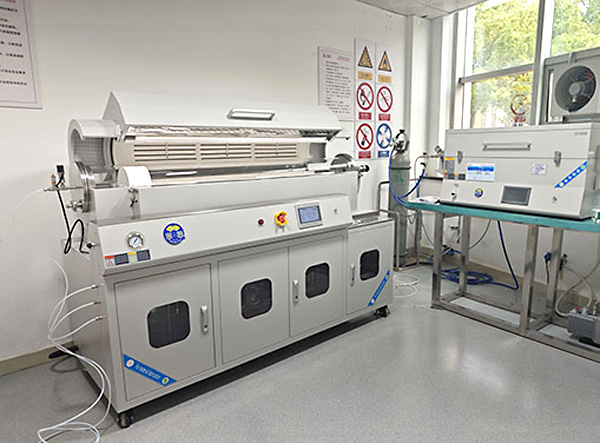
1700.C Vacuum Tube Furnace

Among various laboratory heating instruments, a 1700℃ tube furnace stands out for its high-temperature capabilities, uniform heating, and versatility in catalyst synthesis. This article explores how a 1700℃ tube furnace supports high-efficiency catalyst preparation experiments, its advantages, and practical applications.

High-Temperature Tube Furnace: A Key Tool for Synthesizing Novel Carbon-Based Composites

1700°C High-Temperature Tube Furnace

This article delves into the technical role of high-temperature tube furnaces in carbon-based composite synthesis, focusing on temperature control, atmosphere management, and material uniformity—critical parameters for researchers and engineers in advanced material science.

Boosting Precious Metal Refining with Hydrogen Reduction Furnaces

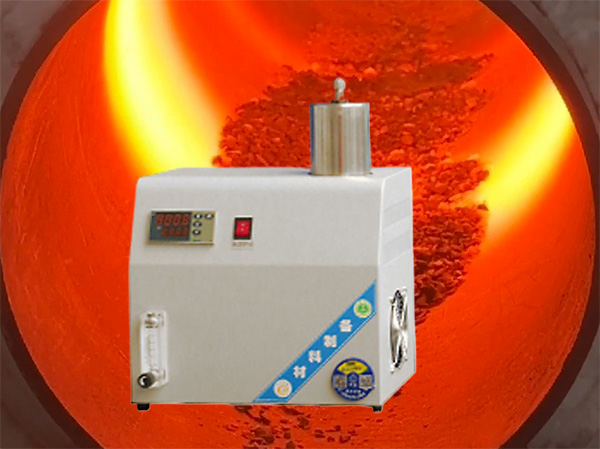
1200°C Rotary Hydrogen Reduction Furnace

For enterprises in the precious metals industry, the adoption of a hydrogen reduction furnace represents a leap forward in both technology and sustainability. By delivering higher efficiency, superior product purity, and reduced environmental impact, this equipment has become an indispensable tool for forward-thinking companies.

Rapid Thermal Processing (RTP) Furnace for Nanotechnology Research

Rapid Thermal Processing (RTP) Furnace

Rapid Thermal Processing (RTP) furnaces provide ultrafast heating, precise temperature control, and flexible experimental setups. They help researchers study thermal responses while preserving nanoscale structure integrity.

How Clean-Chamber Vacuum Atmosphere Bottom-Loading Furnaces Transform Nanomaterials and Enzyme Catalysis Research

Clean-Chamber Vacuum Atmosphere Bottom-Loading Furnaces

Clean-chamber vacuum atmosphere bottom-loading furnaces provide the precision, cleanliness, and automation needed to advance research at the interface of nanotechnology and enzyme catalysis. By enabling contamination-free processing, uniform heating, and flexible atmosphere control, these furnaces are accelerating progress in energy, medicine, catalysis, and sustainable chemistry.

Top 5 Applications of Tube Furnaces in Materials Science

1500°C High Temperature Tube Furnaces

Tube furnaces are widely used in materials science due to their ability to deliver precise, high-temperature environments under controlled atmospheres. They play a critical role in research and development across various fields such as metallurgy, ceramics, crystal growth, and nanomaterials.

Supplying High Purity Quartz Boats to Linköping University, ITN Cleanroom

ZYLAB High-Purity Quartz Boats

At Zylab, we are proud to support scientific institutions across Europe with high-quality laboratory materials. One of our latest collaborations was with Linköping University in Sweden, where we supplied high-purity quartz boats for use in the ITN (Department of Science and Technology) cleanroom facility.