
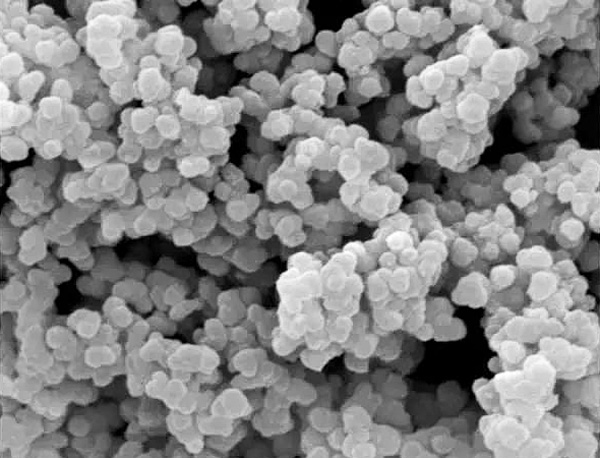
A rotary or rocking tube furnace can provide an additional advantage by continuously redistributing the powder during thermal processing, helping reduce prolonged localized contact and improve exposure to heat and process gases.
Tag Archives: Rotary Tube Furnace
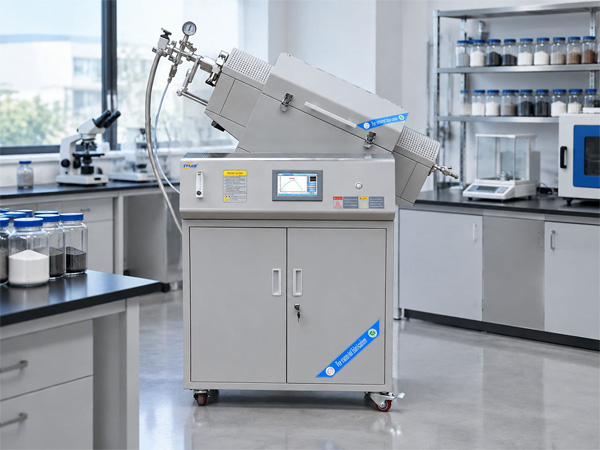
A rotary rocking tube furnace introduces controlled movement during heating. By continuously rotating and rocking the furnace tube, powder materials are redistributed throughout the hot zone, helping improve thermal exposure, material mixing, and contact with the process atmosphere.
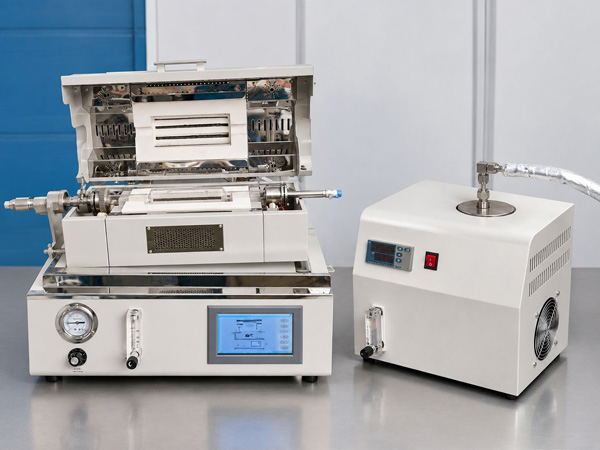
ZYLAB recently supplied a Laboratory 1200°C Rotary Rocking Tube Furnace with a gas pre-heating system to a UK-based innovative company specializing in low-carbon construction materials and waste-derived building technologies.
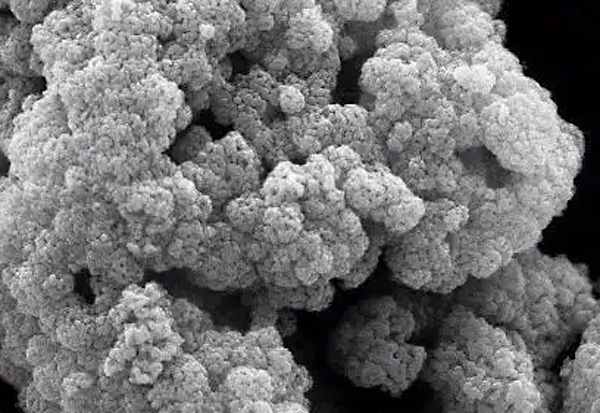
So, why do powders sinter during reduction, and how can this be effectively avoided? In this article, we explore the mechanisms behind powder sintering and provide practical solutions for researchers and engineers.
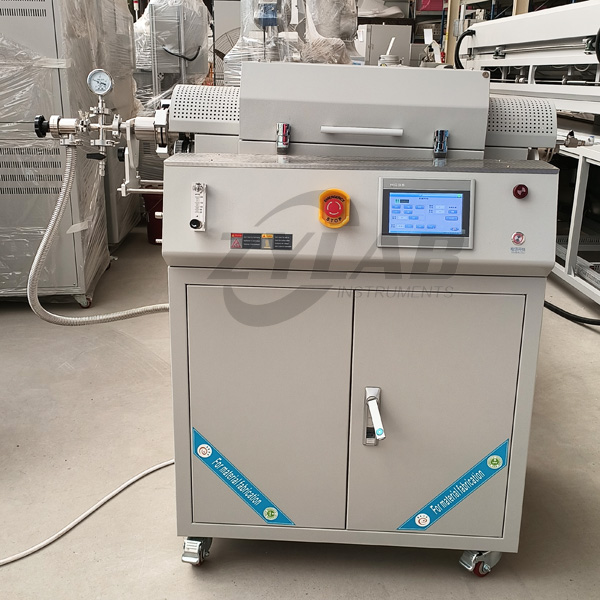
High-temperature heat treatment furnaces are essential tools in materials science, thermodynamics research, and industrial processing.
Recently, a UK client asked if we could provide a rotary furnace that can accommodate quartz tubes with an 80 mm diameter and 400 mm heating length.
In response, ZYLAB proposed our Vibrating Rotary Sintering Furnace, engineered for high-precision sintering, mixing, and thermal processing. This blog explores its features, benefits, applications, and why UK thermodynamics labs trust ZYLAB.
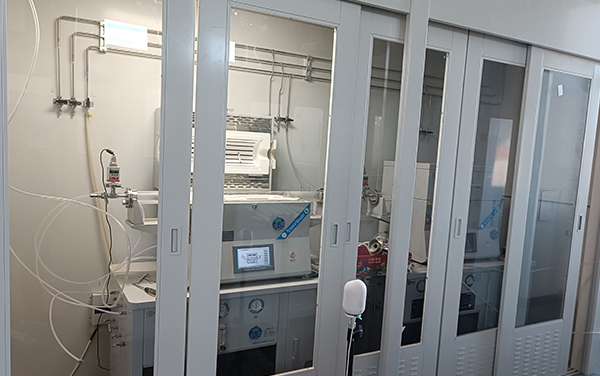
Each type offers unique advantages based on heating uniformity, material processing capabilities, and specific research or production requirements. In this article, we compare these three types of furnaces to help you determine which one best suits your needs.
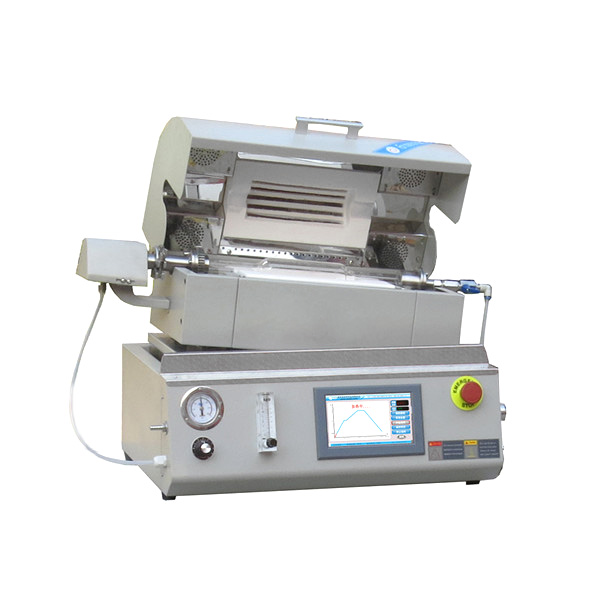
Investing in a rotary tube furnace can significantly enhance your production capabilities and process efficiency. Whether you’re involved in materials research, catalyst production, or sintering processes, selecting the right furnace is crucial to achieving consistent results.