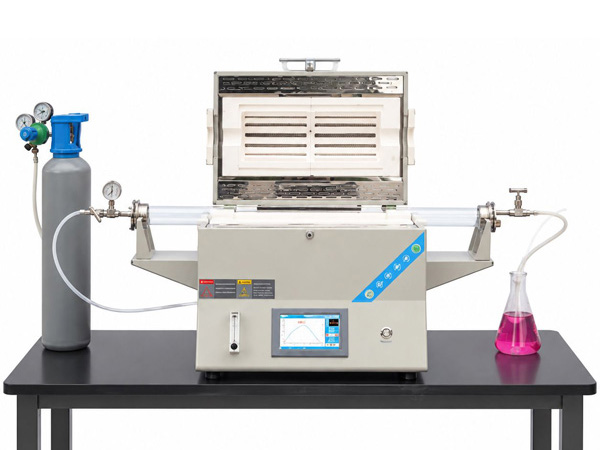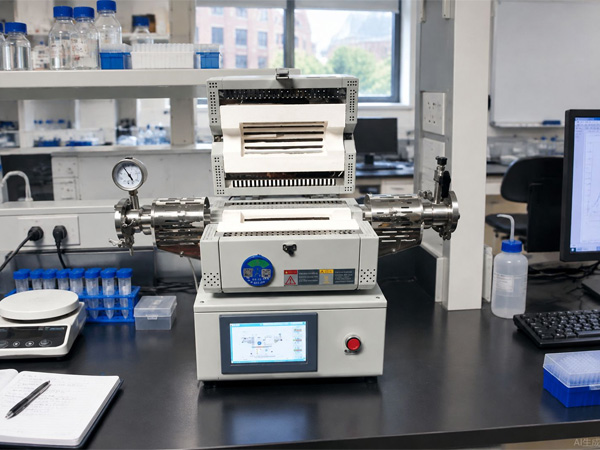
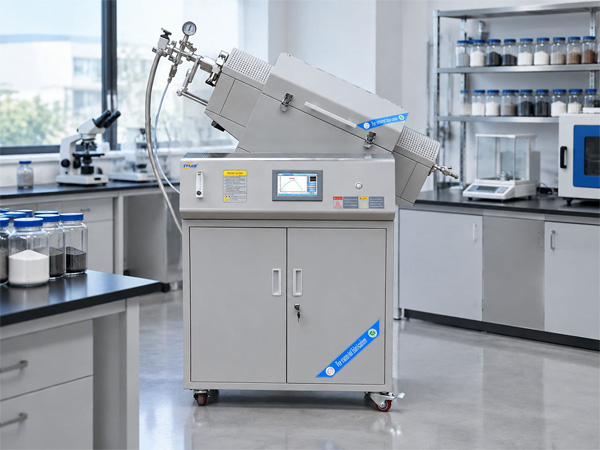
1200°C Mini Tube Furnace for Metal Heat Treatment Research

Case Study:1200°C Mini Tube Furnace for Metal Heat Treatment Research at Worcester Polytechnic Institute

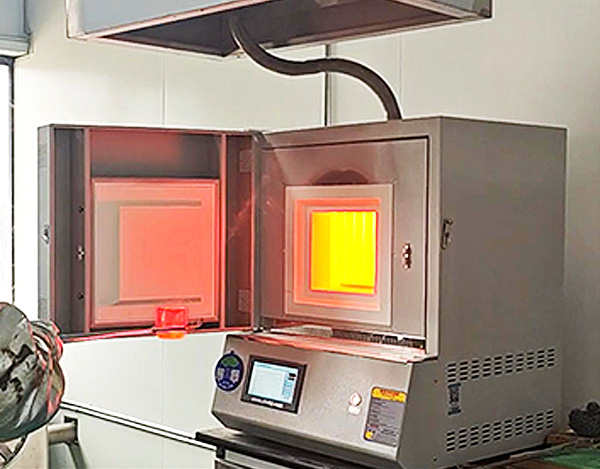
The ZYLAB 1200°C Mini Tube Furnace provides Worcester Polytechnic Institute with a compact and flexible solution for metal heat treatment and materials research.

The system supports laboratory-scale thermal processing and controlled heating experiments, helping researchers investigate the relationship between heat treatment conditions, material microstructure, and performance.

Read More »
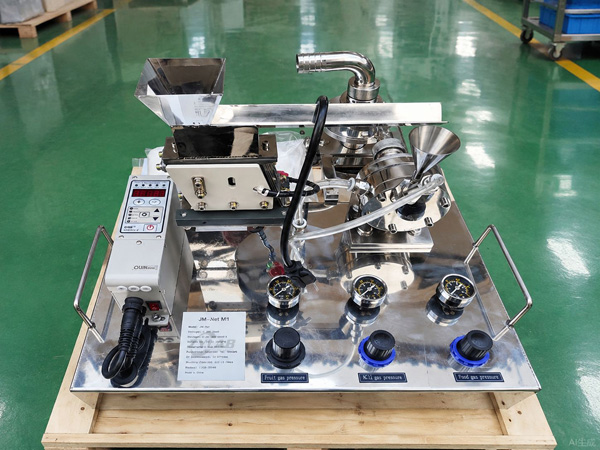
Laboratory Jet Mill for Fine Grinding

Case Study: Lab-Scale Jet Milling for Agrochemical Formulation Development

ZYLAB supplied Ascenza with a laboratory-scale jet mill designed for fine and ultrafine particle size reduction.
The jet mill uses high-velocity compressed gas to accelerate particles and achieve size reduction through particle-to-particle impact, without conventional grinding media. This makes jet milling suitable for applications where contamination and excessive heat generation need to be minimized.

Read More »
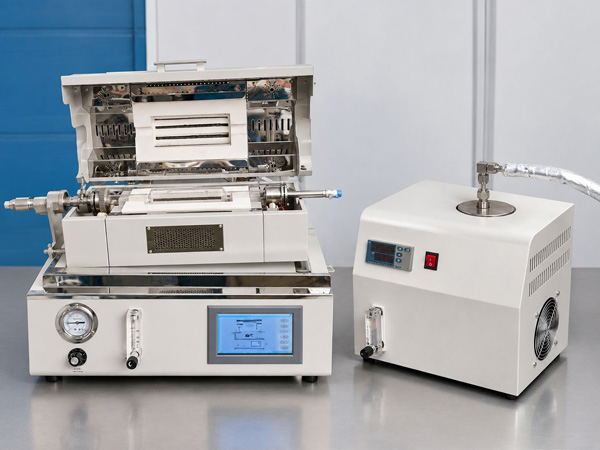
Laboratory Tube Furnace for Material Research

How to Choose a Laboratory Tube Furnace for Material Research

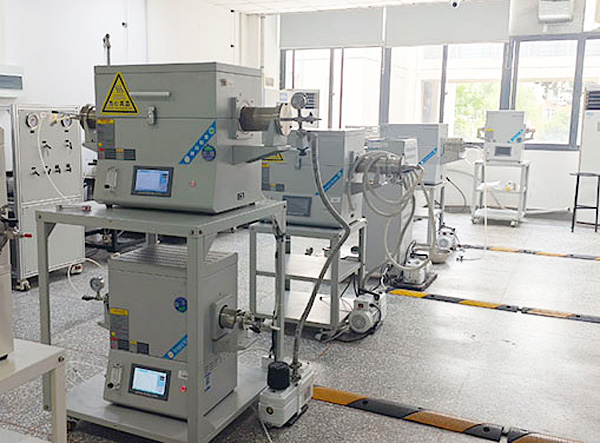
Choosing the right laboratory tube furnace is important for achieving reliable and repeatable results in material research. A tube furnace is commonly used for processes such as heat treatment, calcination, sintering, annealing, oxidation, reduction, thermal testing, and atmosphere-controlled experiments.

However, selecting a laboratory tube furnace based only on its maximum temperature is often not enough. The furnace tube material, working atmosphere, vacuum capability, heating zone, sample size, heating rate, temperature uniformity, and gas flow can all affect the experimental results.

Read More »
How Does Sintering Temperature Affect Nanostructured Gradient Materials

How Does Sintering Temperature Affect Nanostructured Gradient Materials?

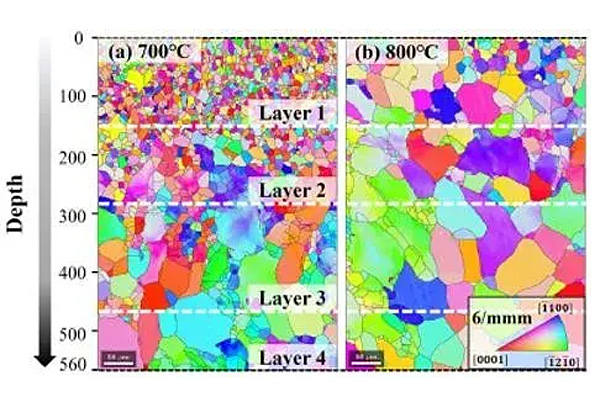
For researchers developing nanostructured ceramics, functionally graded materials (FGMs), metal-ceramic composites, and advanced nanocomposites, selecting an appropriate sintering temperature is therefore not simply a matter of achieving sufficient density.

The central challenge is often:

How can sufficient densification be achieved without destroying the designed nanoscale or gradient microstructure?

Read More »