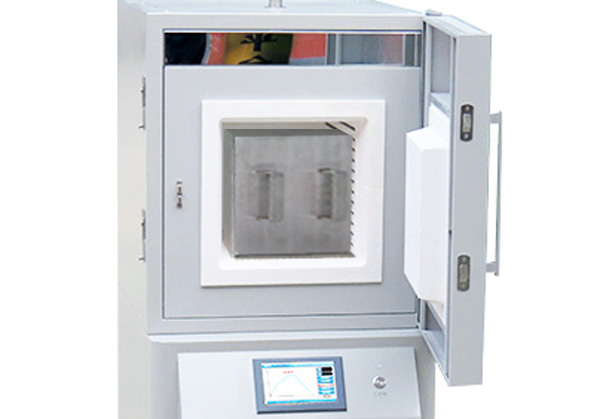
High-temperature heat treatment furnaces are essential tools in materials science, thermodynamics research, and industrial processing.
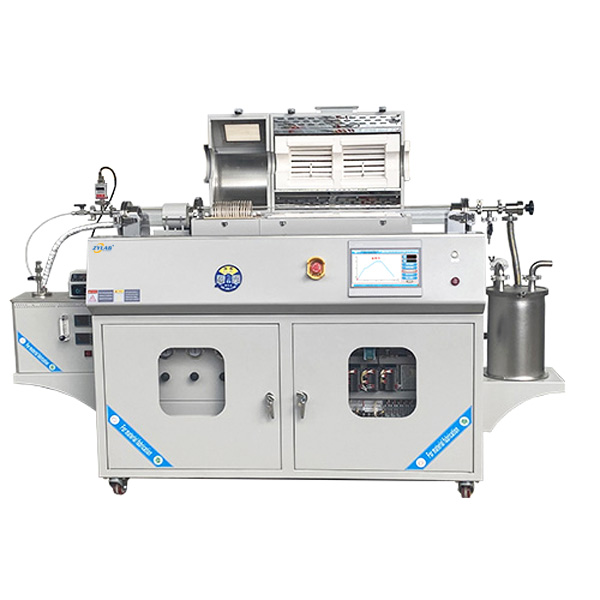
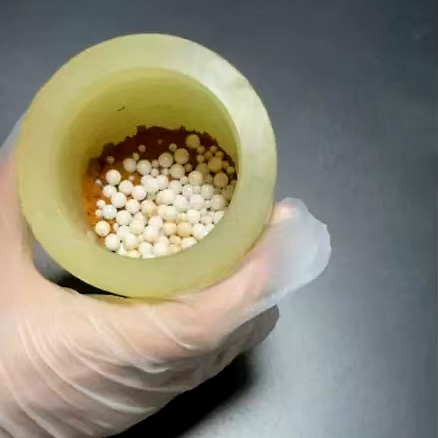
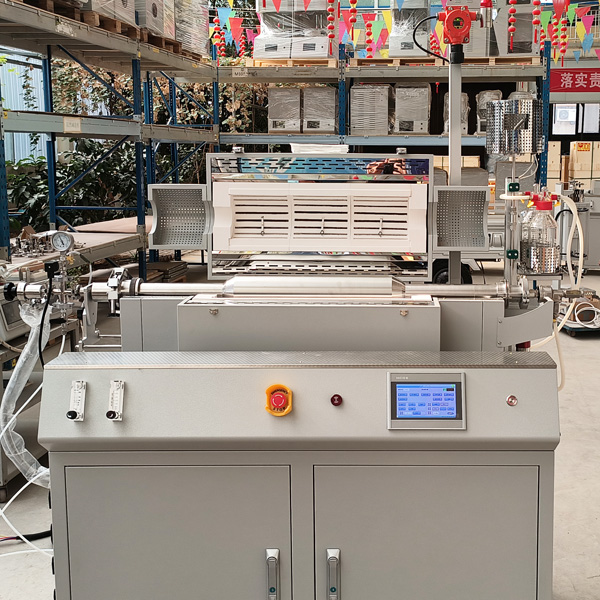
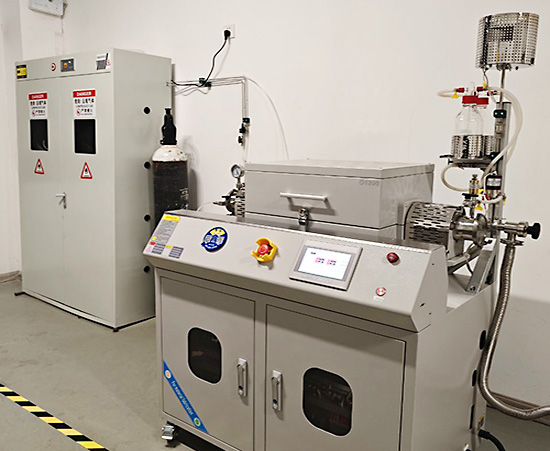
Recently, a UK client asked if we could provide a rotary furnace that can accommodate quartz tubes with an 80 mm diameter and 400 mm heating length.
In response, ZYLAB proposed our Vibrating Rotary Sintering Furnace, engineered for high-precision sintering, mixing, and thermal processing. This blog explores its features, benefits, applications, and why UK thermodynamics labs trust ZYLAB.
Author Archives: ZYLAB Solution
Hydrogen reduction is one of the most important processes in metal powder production and purification. For researchers working with copper powder, iron powder, and other high-purity metal or alloy particles, achieving a stable, uniform, and safe reducing atmosphere is essential. A swing (rocking) hydrogen atmosphere furnace provides a more efficient and homogeneous heat-treatment environment compared with fixed-bed reduction furnaces, making it widely used in laboratories, pilot lines, and materials R&D.
At leading research institutions such as the University of Cyprus, precision, reliability, and reproducibility are essential for advanced material science and nanotechnology studies. The ZYLAB Lab Ultrasonic Nebulizer is designed to meet these exact needs, providing a robust solution for applications such as aerosol-assisted chemical vapor deposition (AACVD), nanomaterials synthesis, and thin-film deposition.
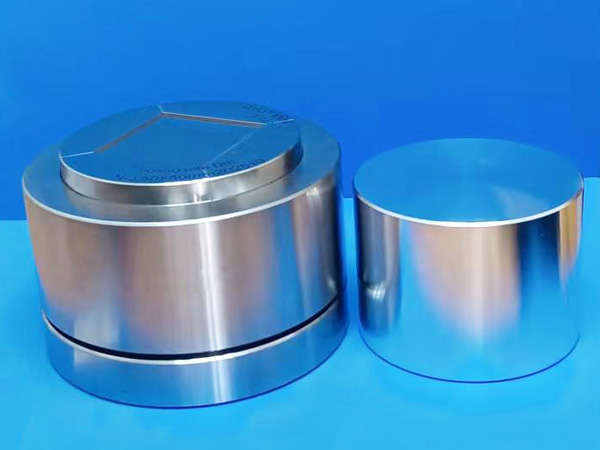
ZYLAB recently had the opportunity to support a leading European technology and innovation company by providing our 20-Ton Automatic Powder Pellet Press, designed for high-precision pellet pressing in R&D and small-scale production.
In advanced cement research, precision powder processing is essential for material development, performance evaluation, and formulation innovation. ZYLAB recently supplied a Lab Scale Jet Mill to a leading U.S. cement research company for small-batch ultra-fine grinding, enabling more accurate and consistent R&D results.
High-temperature furnaces are widely used in industries such as materials research, ceramics, metallurgy, and additive manufacturing. During operation, these furnaces often generate hazardous exhaust gases, including silanes, halides, acid/base gases, and dust particles. Effective exhaust gas treatment solutions are essential for environmental compliance, workplace safety, and furnace longevity.
Aging treatment, also known as precipitation hardening, is a key step in modern heat treatment technology. This process follows solution treatment and involves heating alloys at a controlled temperature to allow the formation of fine precipitates, which strengthen the metal.
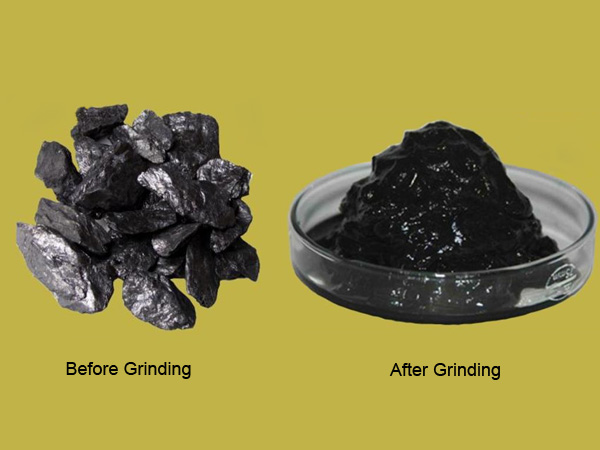
This article provides a research-focused overview of powder material fibrillation, covering mechanisms, materials, processing methods, and typical applications, including laboratory-scale studies using jet milling equipment such as the Lab Scale Jet Mill.
The development of high-performance functional materials is critical for flexible electronics and next-generation energy devices. Flexible transparent conductive films (TCFs) and electrode functional layers are foundational for wearable devices, foldable displays, batteries, supercapacitors, and solar cells. Achieving uniform, defect-free coatings with precise control over composition and microstructure is challenging. Ultrasonic Atomization Chemical Vapor Deposition (CVD) provides a precise solution for laboratory-scale material research.
In the field of heat treatment, solution treatment (also known as solid solution treatment) is a critical process for improving the mechanical and corrosion-resistant properties of metals, especially stainless steels, nickel-based alloys, and aluminum alloys. The process involves heating the alloy to a high temperature to dissolve alloying elements into a solid solution, followed by rapid cooling to retain this uniform structure.