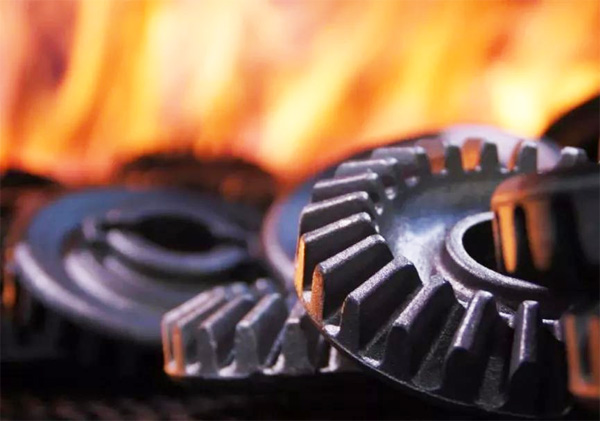
After sintering, powder metallurgy (PM) components often require post-processing treatments to achieve their final mechanical properties, dimensional accuracy, and surface quality. These additional steps are critical for ensuring that PM products meet the stringent demands of industrial and research applications in fields such as automotive, aerospace, electronics, and biomedical engineering.
Author Archives: ZYLAB Solution
Sintering is one of the most critical stages in the powder metallurgy (PM) process. It transforms the fragile, porous “green compact” formed during the shaping stage into a dense, mechanically strong metal component.
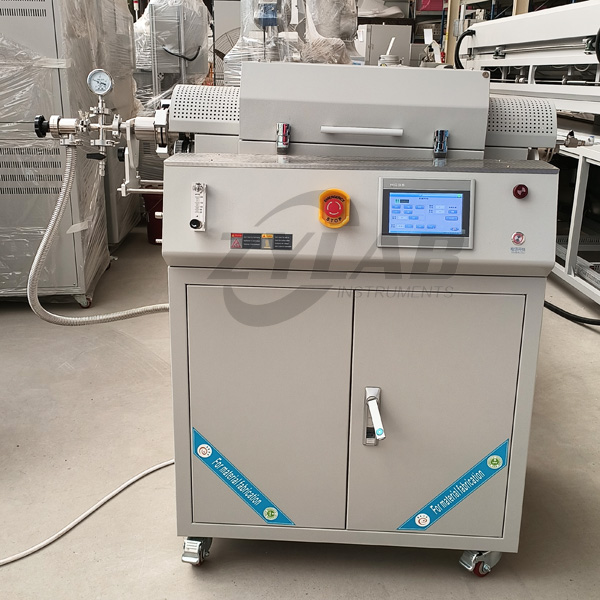
In high-temperature industrial processes such as sintering, metal melting, and ceramic firing, furnaces generate exhaust gases that may contain unburned hydrocarbons, volatile organic compounds (VOCs), or other harmful emissions. To address this issue, many modern furnaces are equipped with an afterburner system, also known as a secondary combustion chamber.
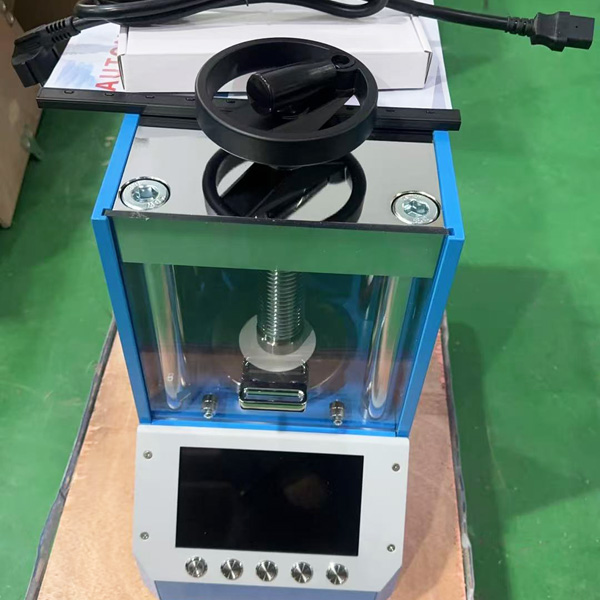
Proper hydraulic oil filling is essential to ensure the stable operation, pressing accuracy, and long service life of a powder pellet press machine. Whether you are using a 20-ton, 30-ton, or 100-ton fully automatic powder pellet press or other models, correct oil filling and maintenance are key to reliable performance and smooth operation.
Proper maintenance is essential to ensure the stable performance, long service life, and safety of a tablet press machine. Regular inspection, lubrication, and cleaning not only help prevent equipment failure but also ensure consistent tablet quality.
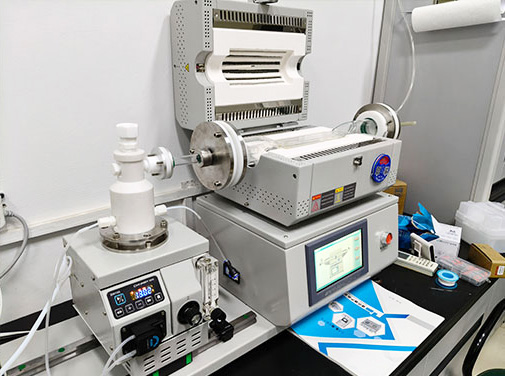
Using a mini tube furnace safely requires careful attention to pressure control, gas flow, temperature calibration, and material purity. Following these precautions will help you achieve reliable high-temperature sintering results, protect the furnace from damage, and maintain a safe laboratory environment.
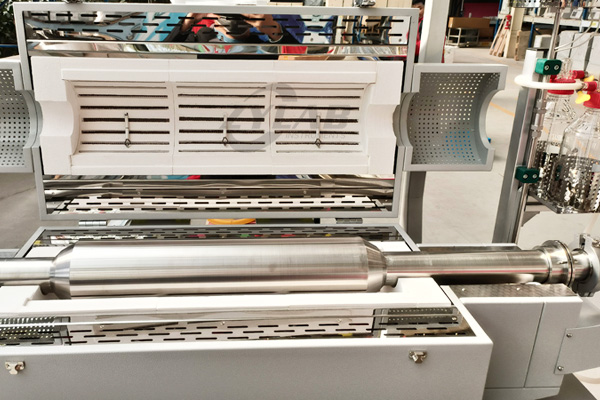
For the high-temperature preparation of oxidation-sensitive materials like titanium alloys and high-purity alumina ceramics, a clean-type vacuum box furnace is an indispensable tool. By providing a controlled vacuum environment, uniform heating, and clean protective atmospheres, it ensures material purity, reproducibility, and superior performance.
Forming is a critical stage in powder metallurgy (PM) that determines the geometry, density, and strength of the final sintered product. During this step, loose metal powders are compacted or shaped into a defined geometry known as the green compact, which is later densified through sintering.
To ensure measurement accuracy, researchers often use a handheld K-type armored thermocouple and digital thermometer. This tool allows users to:
Verify the actual temperature inside the furnace tube.
Measure the surface temperature of the sample during heat treatment.
Calibrate the tube furnace temperature system for improved precision.
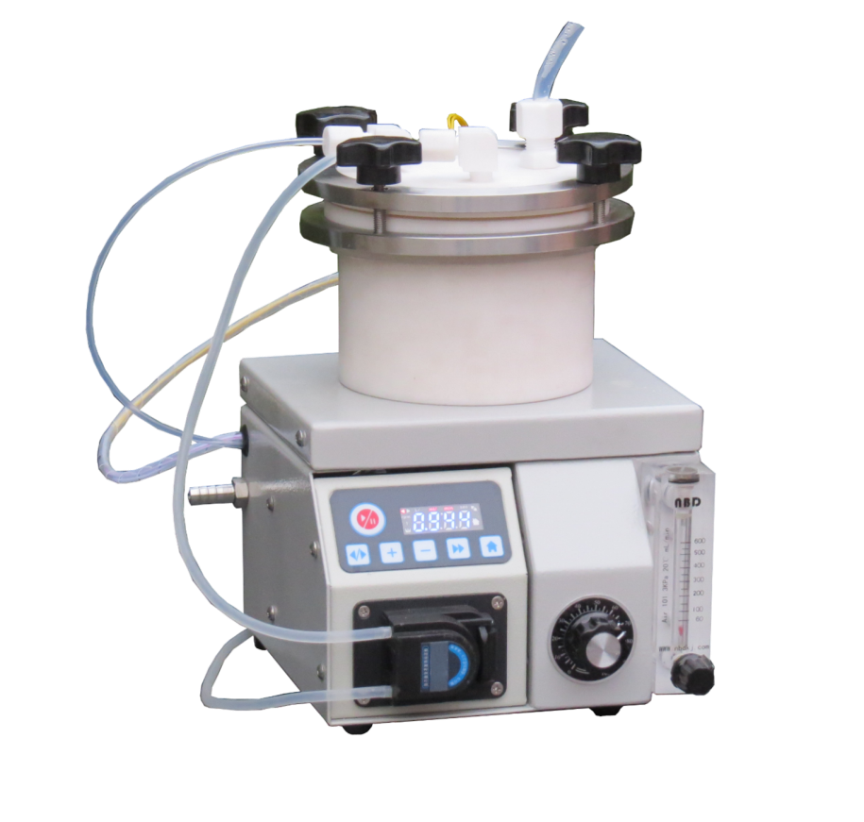
Following Part 1: Mechanical Milling Method, this second installment of the Powder Preparation Series focuses on chemical methods for producing powders. Unlike mechanical milling, which relies on physical forces, chemical methods leverage chemical reactions to synthesize powders with precise composition, controlled particle size, and uniform morphology.