What Materials Can Be Processed in a Pilot-Scale Rotary Calcination Furnace?

Table of Contents

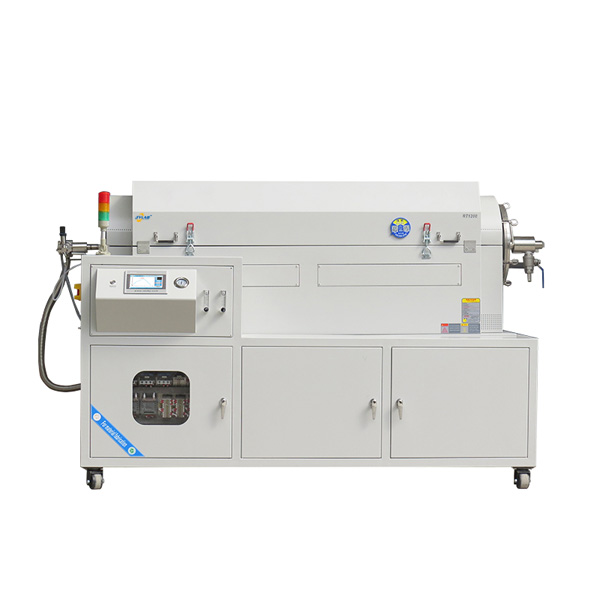
A Pilot-Scale Rotary Calcination Furnace is widely used for thermal processing and pilot-scale material development. With continuous rotation and uniform heating, it is ideal for processing powders and granular materials under controlled temperature and atmosphere conditions.

Why Use a Rotary Calcination Furnace?

Compared with static furnaces, rotary calcination systems provide:

  • Better temperature uniformity
  • Continuous material mixing
  • Improved heat transfer
  • Reduced powder agglomeration
  • More stable calcination results

These advantages make them suitable for many advanced material applications.

Common Materials Processed

1. Battery Materials

Including:

  • Cathode materials
  • Anode materials
  • Lithium battery powders
  • LFP and NCM materials

2. Catalyst Materials

Used for:

  • Metal oxides
  • Catalyst carriers
  • Chemical catalysts

Controlled calcination improves material activity and stability.

3. Ceramic Powders

Typical materials include:

  • Alumina
  • Zirconia
  • Electronic ceramics
  • Functional ceramic powders

4. Metallurgical Materials

Such as:

  • Metal oxides
  • Magnetic materials
  • Powder metallurgy materials

These applications may require atmosphere control.

5. Carbon & Environmental Materials

Including:

  • Activated carbon
  • Carbon-based powders
  • Recycling materials
  • Waste treatment materials

Suitable Material Forms

What Materials Can Be Processed in a Pilot-Scale Rotary Calcination Furnace

Pilot-scale rotary furnaces are commonly used for:

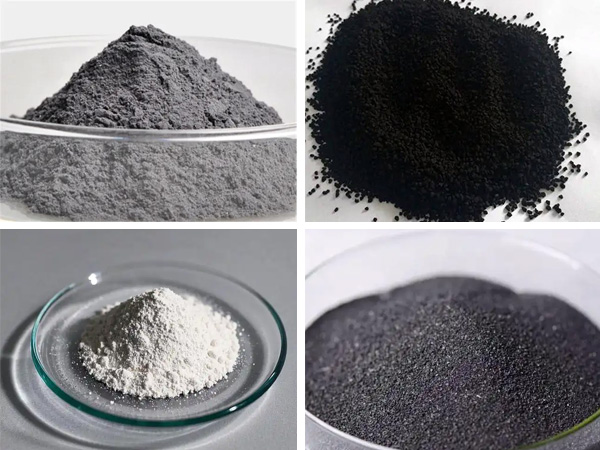
  • Powders
  • Granules
  • Small particles
  • Dry bulk materials

The rotating tube continuously mixes the material for more uniform calcination.

Key Factors When Processing Different Materials

Different materials may require:

  • Different calcination temperatures
  • Specific atmosphere control
  • Adjustable rotation speed
  • Customized residence time

For this reason, many pilot-scale rotary furnaces are designed with flexible process control systems.

Conclusion

A Pilot-Scale Rotary Calcination Furnace can process a wide range of materials, including battery powders, catalysts, ceramics, metallurgical materials, and environmental materials.

Its advantages in uniform heating, continuous mixing, and process stability make it ideal for research, pilot-scale production, and process scale-up.

Get In Touch

Fill out the form below — free quote and professional suggestion will be sent for reference very soon!