Author Archives: ZYLAB Solution

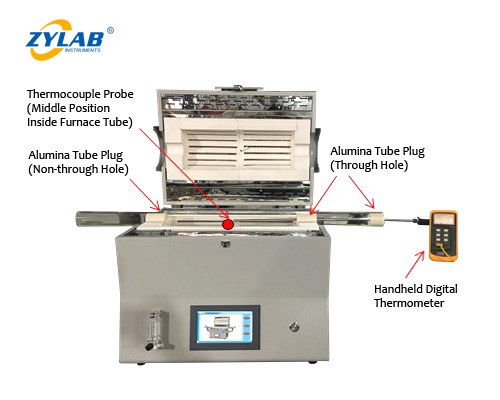
How to Measure Sample Surface Temperature in a Tube Furnace Using a Handheld Thermometer

Using a Handheld Thermometer with a Tube Furnace

To ensure measurement accuracy, researchers often use a handheld K-type armored thermocouple and digital thermometer. This tool allows users to:

Verify the actual temperature inside the furnace tube.

Measure the surface temperature of the sample during heat treatment.

Calibrate the tube furnace temperature system for improved precision.

Powder Metallurgy Part 2 – Chemical Methods for Powder Production

Chemical Methods for Powder Production

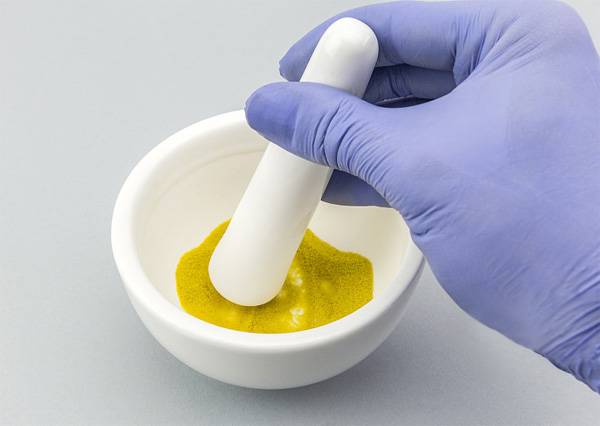
Following Part 1: Mechanical Milling Method, this second installment of the Powder Preparation Series focuses on chemical methods for producing powders. Unlike mechanical milling, which relies on physical forces, chemical methods leverage chemical reactions to synthesize powders with precise composition, controlled particle size, and uniform morphology.

Powder Metallurgy Part 1 – Mechanical Milling Method for Powder Production

Mechanical Milling Method for Powder Production

Powder preparation is a fundamental step in materials science, metallurgy, ceramics, and additive manufacturing. The properties of the final product—whether it is a sintered ceramic, a metallic component, or a composite material—largely depend on the characteristics of the powders used. In this first part of our Powder Preparation Series, we will focus on one of the most widely applied approaches: the mechanical milling (mechanical pulverization) method.

Heat Treatment Part 7: Quenching and Tempering (Quench-temper Treatment)

Quenching and Tempering

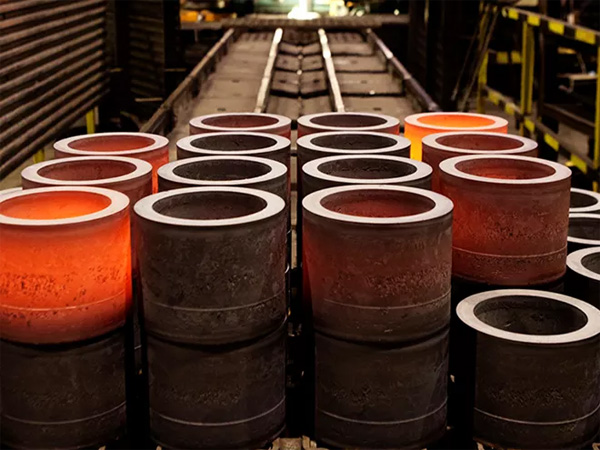
Quenching and tempering, commonly known as “tempering after quenching” or “quench-temper treatment”, is a fundamental heat treatment process used to optimize the mechanical properties of steel. This article explores what quenching and tempering is, its purpose, how it differs from simple quenching, and essential technical considerations for researchers and engineers.

Heat Treatment Part 6: Conventional vs Vacuum Heat Treatment and Furnace Differences

Vacuum Heat Treatment

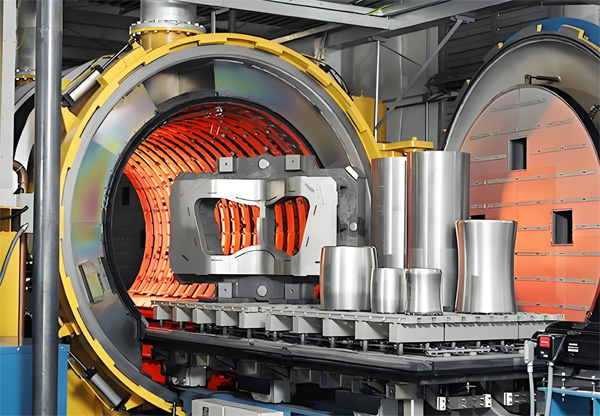
While conventional heat treatment is widely applied in industries, vacuum heat treatment has become essential for high-precision and high-performance applications. This article explores the differences between conventional and vacuum heat treatment, including furnace types, process methods, and practical considerations.

Heat Treatment Part 5: Carburizing and Nitriding

Carburizing and Nitriding

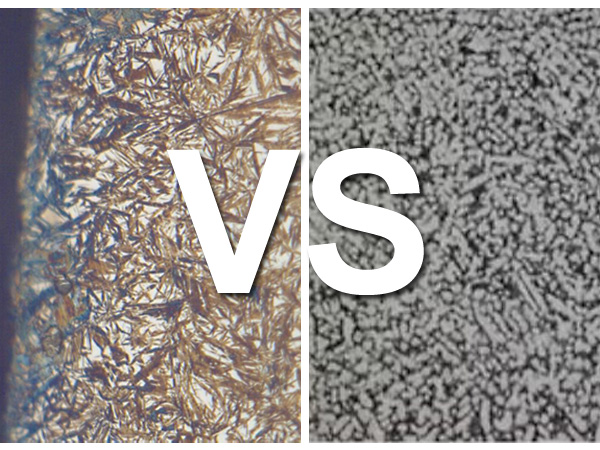
While conventional heat treatment methods like annealing, normalizing, and quenching alter the bulk properties of a material, carburizing and nitriding focus on the surface layer, creating a hard, wear-resistant shell while maintaining a tough and ductile core.

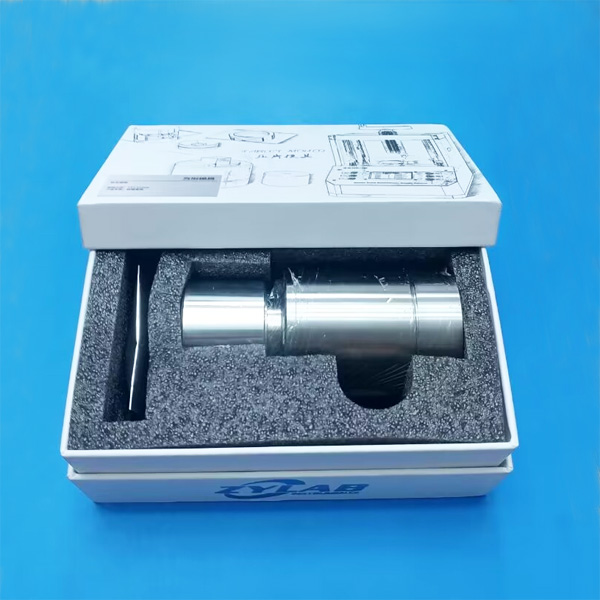
Case Study: Supplying Square Dry Pellet Pressing Mold to University of Technical Malaysia Malacca

Supplying Square Dry Pellet Pressing Mold to University of Technical Malaysia Malacca

At ZYLAB, we take pride in providing high-quality laboratory equipment that meets the rigorous demands of research institutions and universities worldwide. Recently, we had the opportunity to supply a Square Dry Pellet Pressing Mold to the University of Technical Malaysia Malacca (UTeM), a leading institution in materials science and engineering research.

Heat Treatment Part 4: Tempering — The Gentle Care After Quenching

Tempering — The Gentle Care After Quenching

Tempering is the essential follow-up step after quenching, ensuring metals are not only strong but also reliable in daily use. By carefully selecting the tempering temperature and furnace type, engineers can fine-tune hardness, toughness, and ductility to match specific applications.

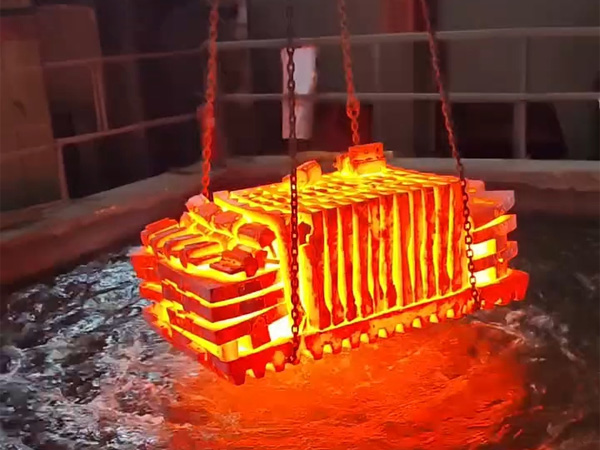
Heat Treatment Series, Part 3: Quenching – Harnessing the Power of Rapid Cooling

Quenching – Harnessing the Power of Rapid Cooling

Quenching is a key heat treatment process designed to achieve extreme hardness through rapid cooling. By quickly lowering the temperature, metals and alloys transform their microstructure, locking in strength and wear resistance. In this article, we explore the principles and techniques of quenching, revealing how speed and precision create high-performance materials.

Heat Treatment Series, Part 2: Normalizing – Stronger Steel through Air Cooling

Normalizing – Stronger Steel through Air Cooling

Normalizing is another essential heat treatment process used in metallurgy and materials engineering. In this article, we continue our Heat Treatment Series by explaining the definition, purpose, and unique features of normalizing, while also comparing it to annealing.