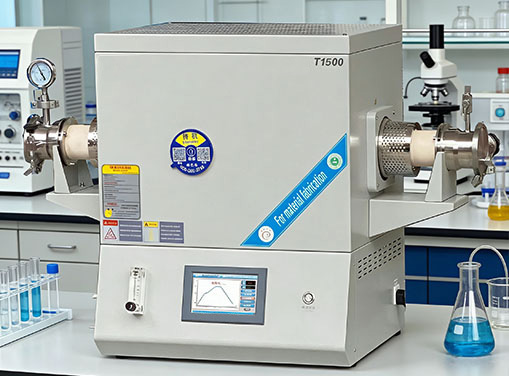
High-temperature treatment plays a critical role in catalytic materials research, particularly for catalyst calcination, phase transformation, and atmosphere-dependent pretreatment. As research advances toward more complex catalyst systems, a 1500°C tube furnace has become an increasingly common requirement in modern laboratories.
Author Archives: ZYLAB Solution
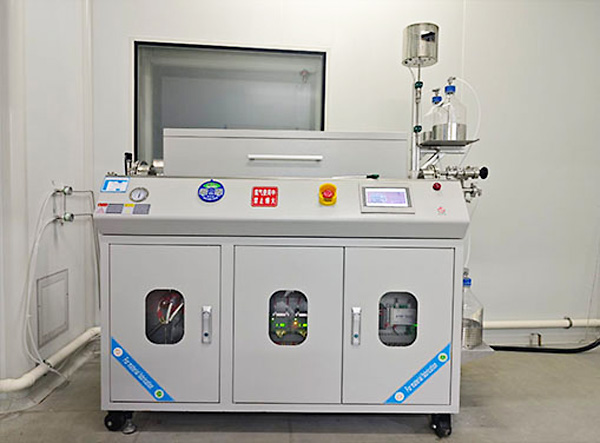
Hydrogen-based precious metal refining, enabled by advanced hydrogen reduction furnaces, has emerged as a highly efficient, clean, and controllable solution for producing ultra-high-purity precious metals such as gold, silver, and platinum-group metals.
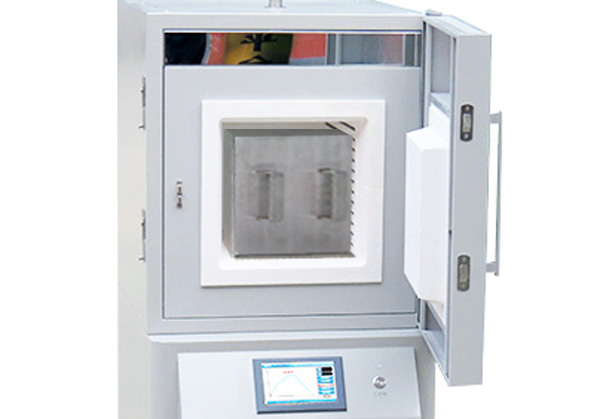
Among various laboratory-scale technologies, box furnace pyrolysis solutions offer a reliable, flexible, and repeatable method for biochar production.
This article explains how box furnaces are used for biochar pyrolysis, why atmosphere control is essential, and how to optimize process parameters to achieve consistent, high-quality biochar.
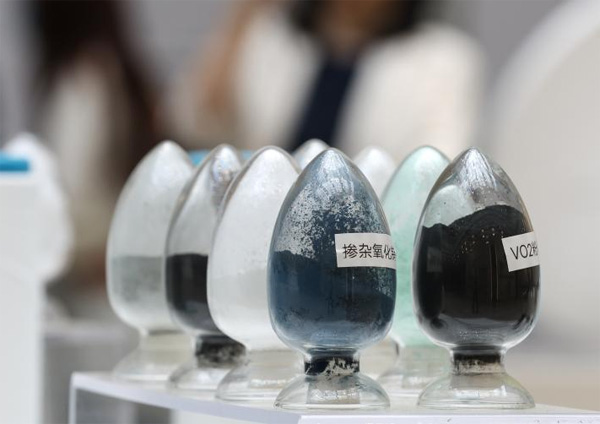
As battery materials become increasingly complex—often involving multi-component systems with large density and particle size differences—powder mixing has become a critical yet frequently underestimated step in laboratory workflows. This article explores common powder mixing challenges in battery research, suitable laboratory mixing methods, and best practices to achieve consistent and reproducible results.
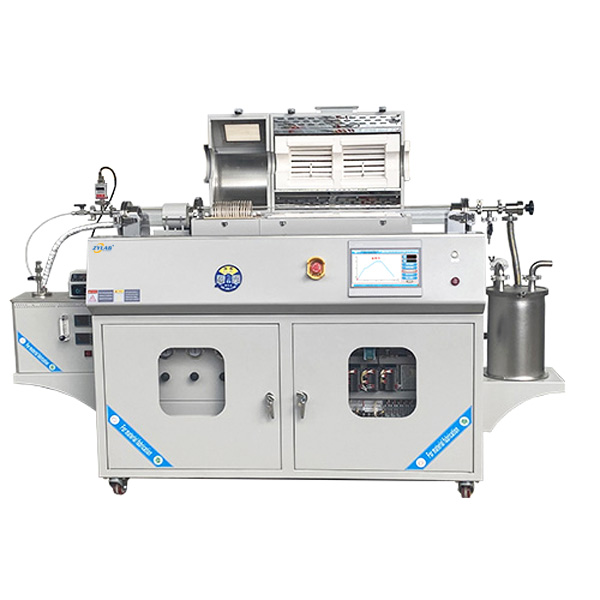
1200°C dual-zone PECVD (Plasma-Enhanced Chemical Vapor Deposition) system provides a powerful and flexible solution, enabling excellent film quality at low substrate temperatures through precise thermal and plasma control.
This article explores the process principles, film characteristics, and practical advantages of using a high-temperature dual-zone PECVD system for low-temperature dielectric and passivation film deposition.
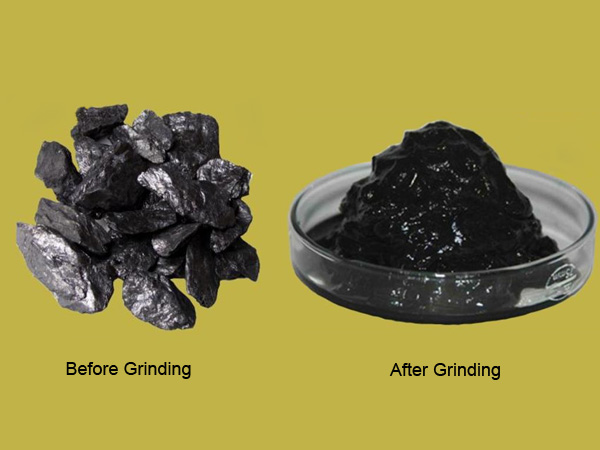
Graphene, a single layer of carbon atoms arranged in a hexagonal lattice, has attracted widespread attention due to its exceptional electrical, thermal, and mechanical properties. The preparation of thin-layer graphene is a key step for applications in electronics, energy storage, sensors, and composite materials. This article provides a comprehensive overview of the main graphene preparation methods, their processes, characteristics, and practical considerations.
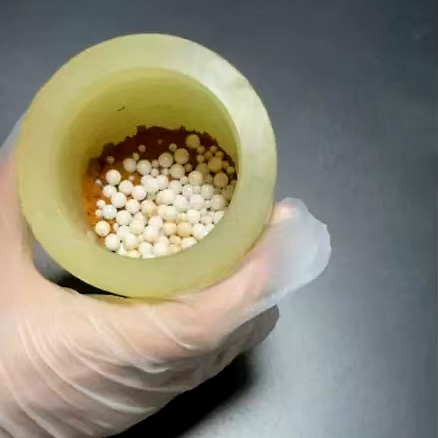
In scientific research and industrial applications, fibrous materials such as carbon fibers, wood fibers, chemical fibers, and hair often need to be ground into fine powders. This is essential for micro-element analysis and for modifying these fibers into composite materials. Achieving a uniform, contaminant-free powder requires careful selection of equipment, grinding media, and process parameters.
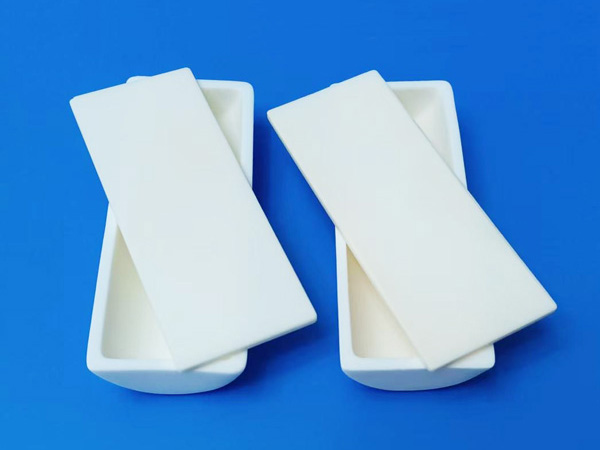
At ZYLAB, we are committed to supporting global research institutions with high-quality laboratory ceramics and thermal processing solutions. Recently, we had the opportunity to collaborate with the Department of Science and Technological Innovation at the University of Eastern Piedmont (UPO), Italy, providing them with our Half Round Boat Crucibles with Covers for their materials research projects.
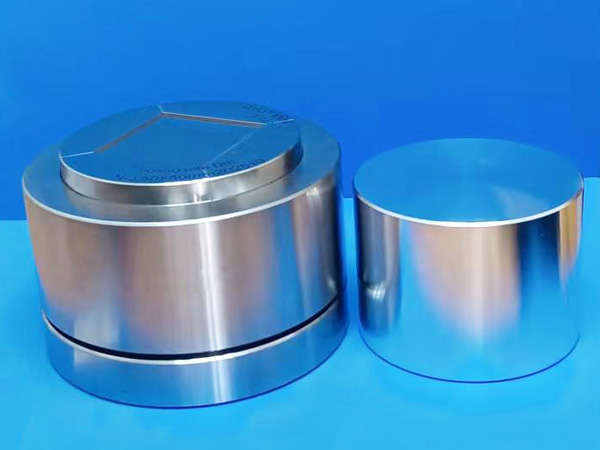
ZYLAB supplied a 50×50 mm square split pressing die set to Tallinn University for powder sample forming, improving accuracy, stability, and lab research efficiency.
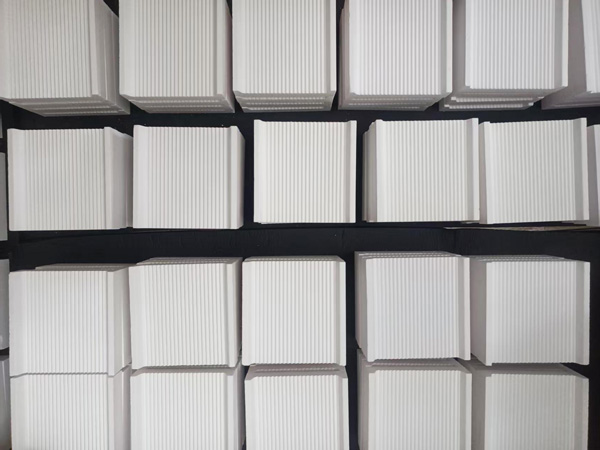
ZYLAB supplied a custom ceramic settle plate with grooves for a leading U.S. insulation and sealing technology company, improving efficiency and high-temperature stability.