Why Is Tail Gas Treatment Important in Rotary Calcination Systems?

Table of Contents

Rotary calcination systems are widely used in battery materials, catalysts, ceramics, metallurgy, and environmental engineering. During high-temperature processing, exhaust gases and volatile compounds are often generated. Without proper treatment, these emissions can affect environmental compliance and workplace safety.

For this reason, tail gas treatment systems are an essential part of modern Rotary Calcination Furnaces.

What Is Tail Gas?

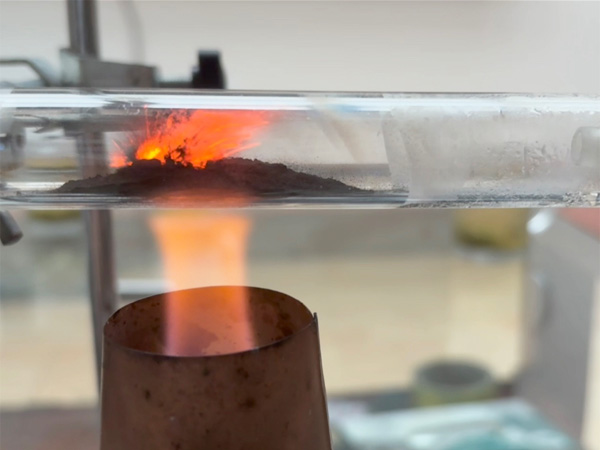
Tail gas refers to the exhaust gases produced during calcination processes. Depending on the application, the exhaust may contain:

  • VOCs (volatile organic compounds)
  • Smoke and fine particles
  • Residual combustible gases
  • Organic decomposition byproducts

These gases must be collected and treated before discharge.

Why Is Tail Gas Treatment Important?

1. Environmental Compliance

Tail gas treatment helps reduce harmful emissions and meet environmental regulations, especially in pilot-scale and industrial processing applications.

2. Improved Workplace Safety

Untreated exhaust gases may contain toxic or flammable substances. Proper gas treatment improves operator safety and air quality.

3. Reduction of VOC Emissions

Systems such as:

  • Secondary combustion chambers
  • Afterburners
  • Exhaust purification modules

can effectively reduce VOCs and harmful gases.

4. Stable Furnace Operation

A proper exhaust system helps maintain:

  • Stable furnace pressure
  • Controlled atmosphere conditions
  • Consistent gas flow

This improves calcination consistency and process stability.
Common Tail Gas Treatment Solutions

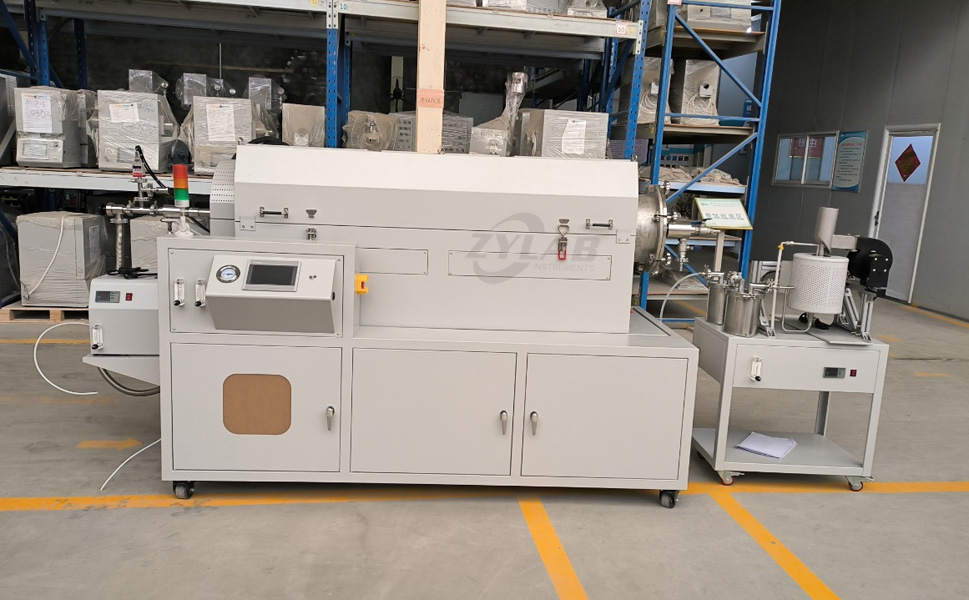
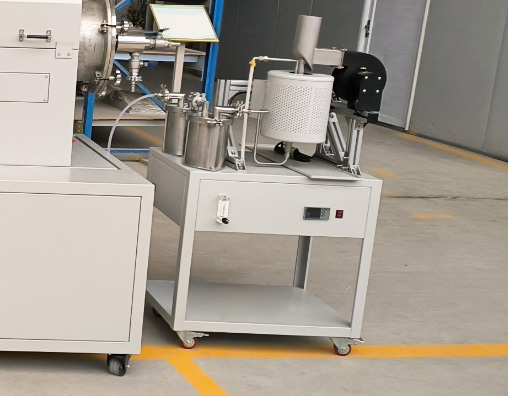
Tail Gas Treatment Important in Rotary Calcination Systems

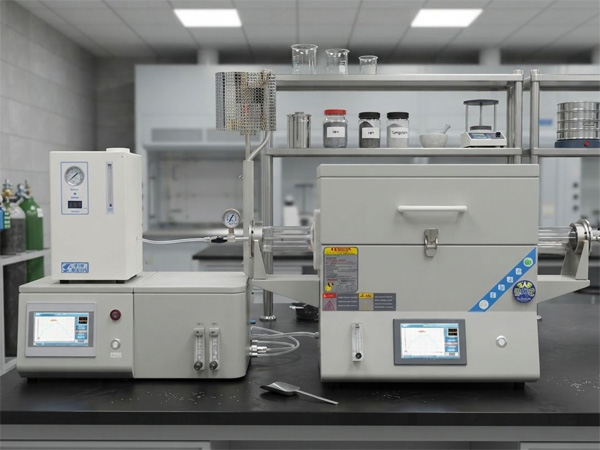
Modern rotary calcination systems often include:

  • Tail gas collection systems
  • Secondary combustion chambers
  • Gas purification units

These components help ensure cleaner and safer operation.

Typical Applications

Tail gas treatment is commonly used in:

  • Battery material calcination
  • Catalyst processing
  • Carbon material treatment
  • Waste recycling research
  • Chemical powder processing

Conclusion

Tail gas treatment plays a critical role in modern Rotary Calcination Systems by improving environmental compliance, workplace safety, and process stability.

For pilot-scale and industrial material processing, integrating an effective exhaust gas treatment system is essential for efficient and environmentally responsible calcination operations.

Get In Touch

Fill out the form below — free quote and professional suggestion will be sent for reference very soon!