
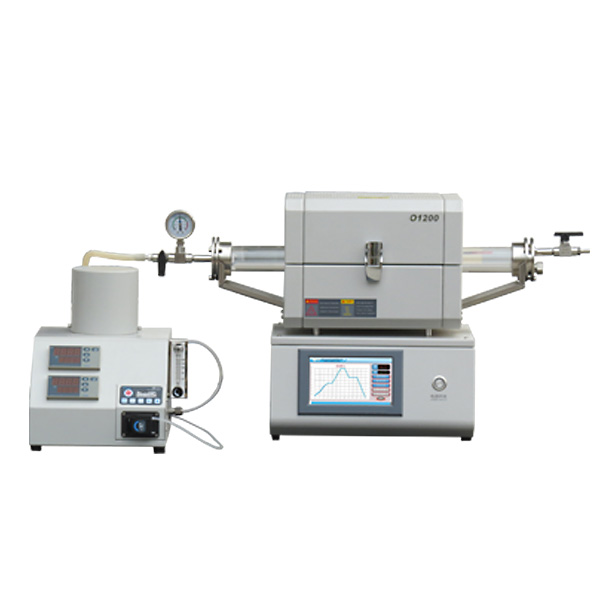
A steam generator heats liquid water and adjusts the input of both liquid and gas to produce a stable and uniform steam output. This steam is then introduced into the tube furnace, where by controlling the steam flow rate and temperature, different environments and conditions can be simulated within the furnace for various experiments.
Author Archives: ZYLAB Solution
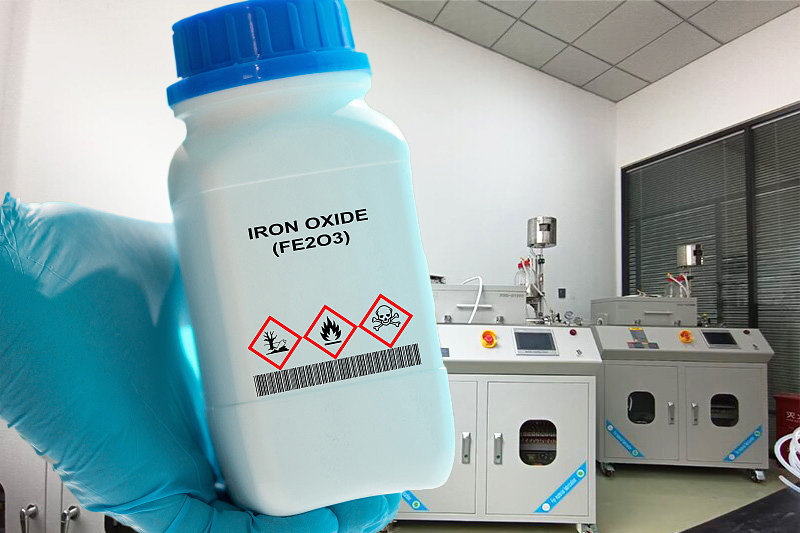
The reduction furnace is the core equipment in the hydrogen reduction process of metal oxides, providing a high-temperature environment and stable gas flow to facilitate the reduction reaction of metal oxides.
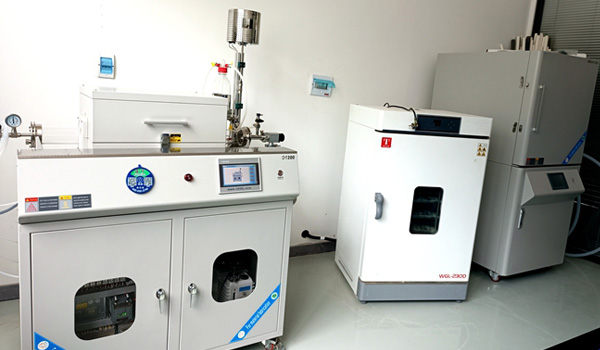
A hydrogen reduction furnace is a specialized high-temperature device used for reduction reactions, where hydrogen gas acts as a reducing agent to convert oxides into their corresponding metals or other reduced forms.
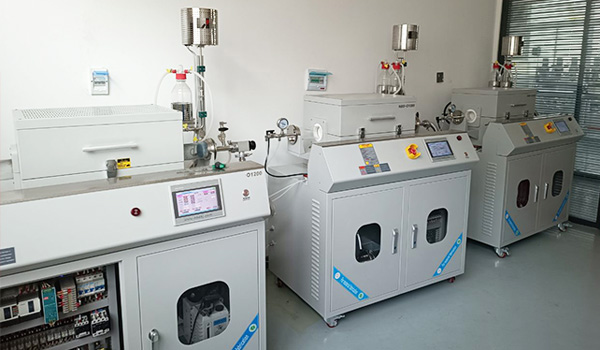
Whether you are involved in metal refining, powder metallurgy, or advanced ceramics, understanding the capabilities and applications of hydrogen reduction furnaces can help you optimize your processes and achieve superior results.
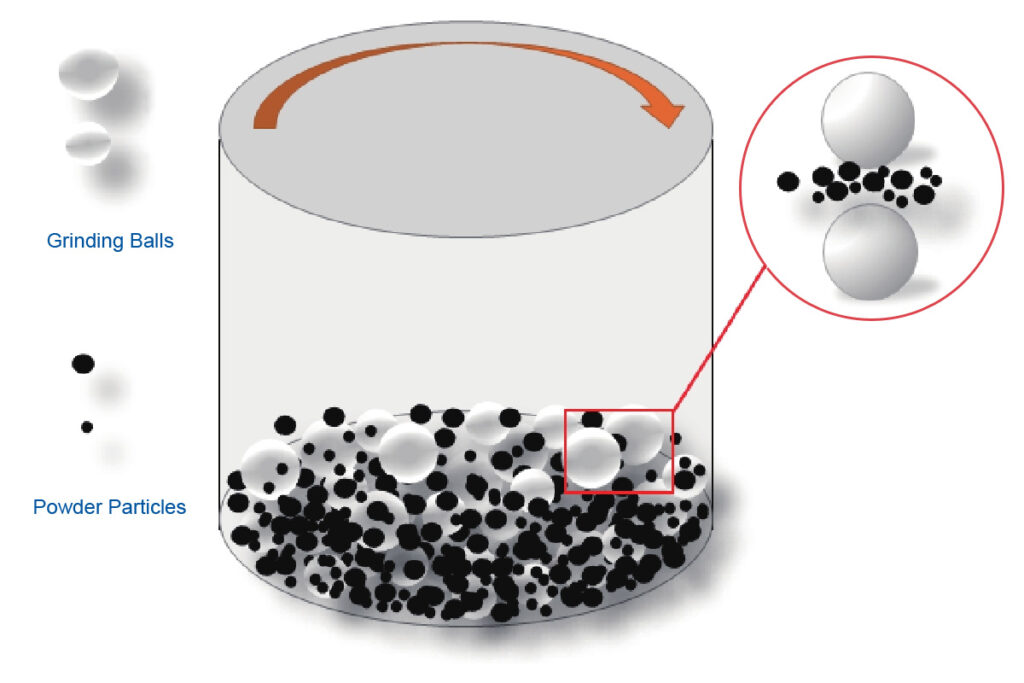
Mechanical alloying refers to a powder preparation technique in which metal or alloy powders are subjected to prolonged, intense impacts and collisions between powder particles and milling balls in a high-energy planetary ball mill. This process causes repeated cold welding and fracturing of the powder particles, leading to atomic diffusion within the powder particles and resulting in alloyed powders.
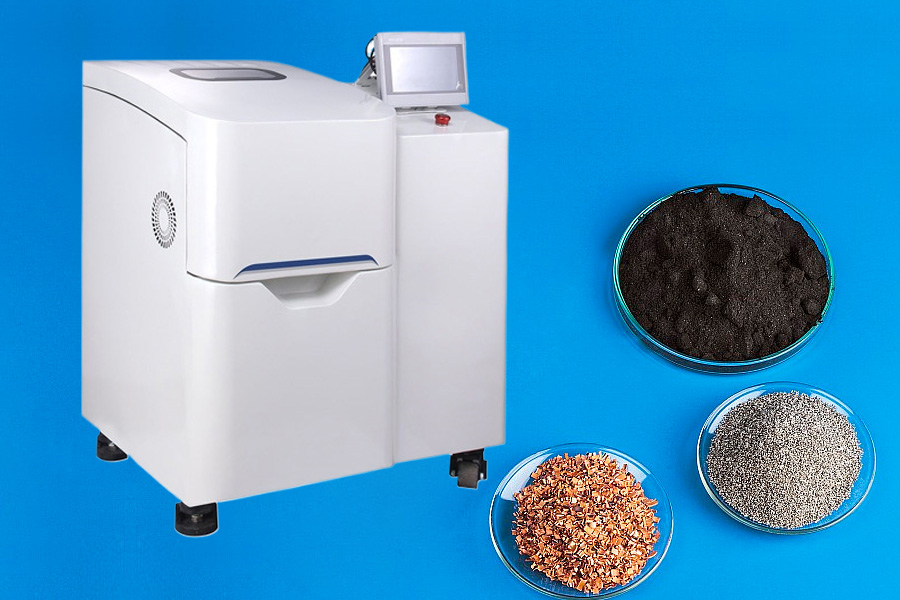
High-energy ball mills are suitable for grinding various materials, including nanomaterials, electronic component materials, oxide materials, ferrites and magnetic materials, battery materials, catalysts and chemicals, metallurgical and mineral materials, luminescent materials, as well as glass materials.
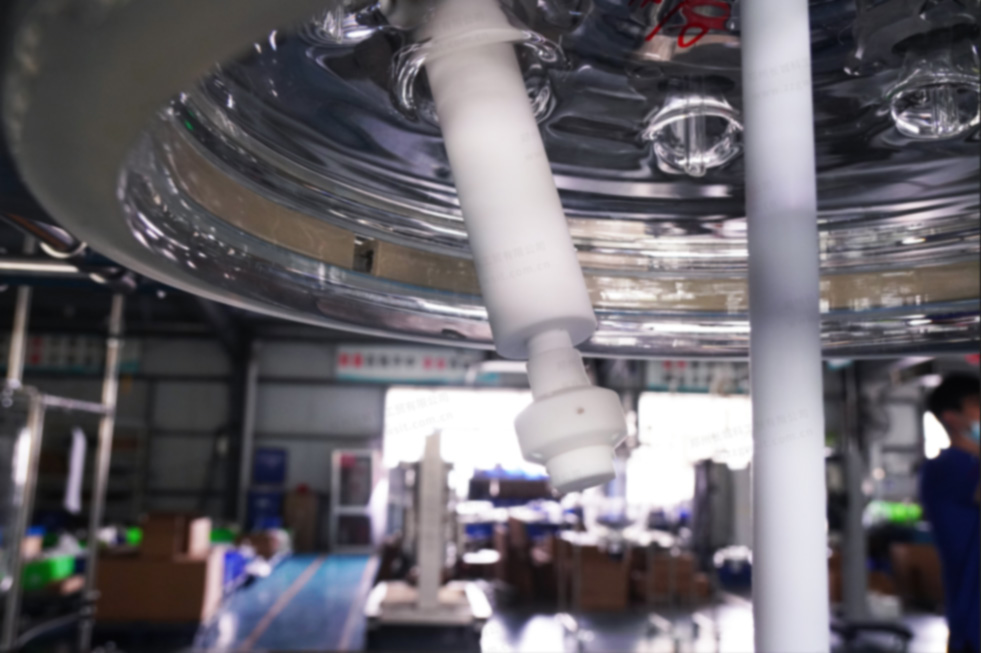
Cleaning inside a reaction vessel refers to the process of cleaning reactors used for chemical reactions, mixing, heating, cooling, or other process operations to remove residues, contaminants, or other impurities.
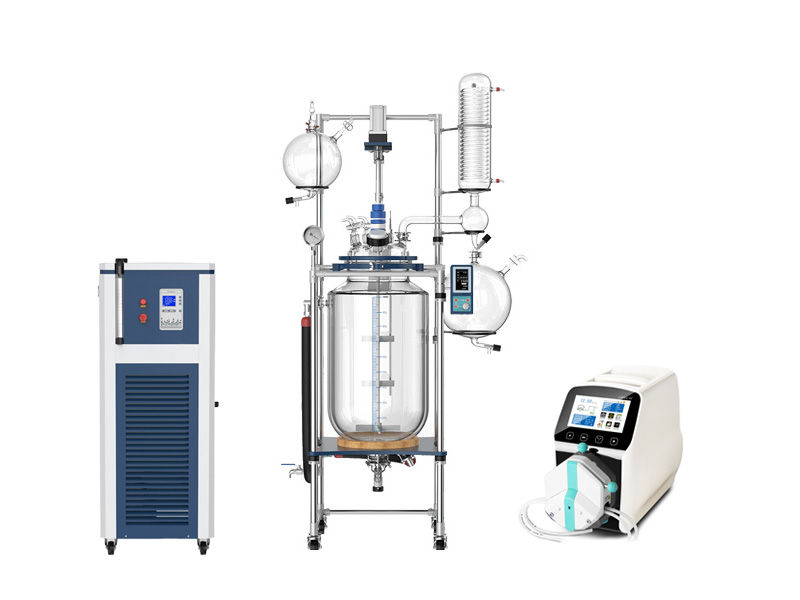
A feed pump is a device used to transport liquids or other fluids, typically moving materials from one container or location to another.
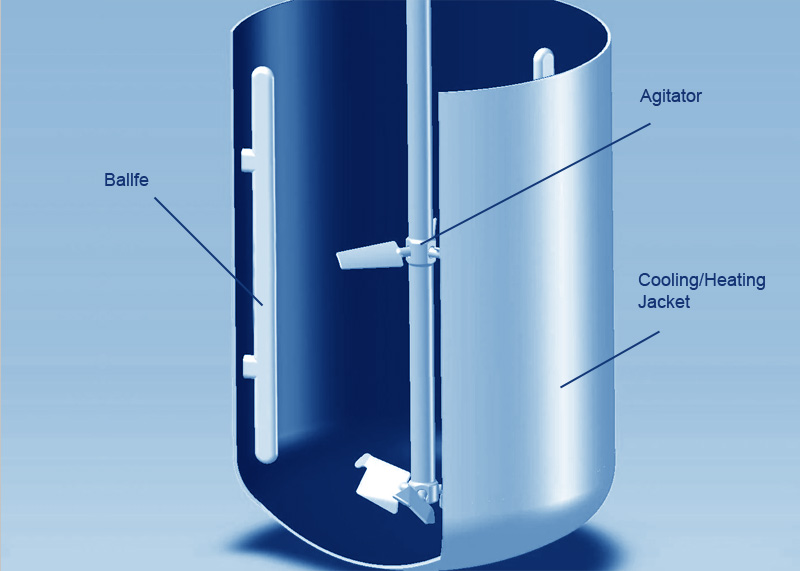
Baffles in a glass-lined reactor are fixed structures mounted on the inner wall of the reactor to improve the internal fluid dynamics, enhancing stirring and mixing efficiency.
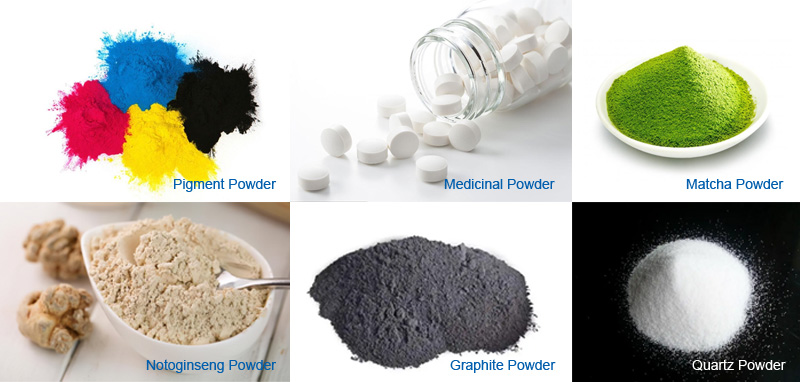
It involves multiple steps and techniques, including ultrafine grinding, precision grading, high homogenization, dispersion, composite coating, modification, drying, sintering, storage, packaging, and transportation, aiming to improve powder performance, enhance production efficiency, and meet specific industrial demands.