What Is the Afterburn on a Furnace?

Table of Contents

In high-temperature industrial processes such as sintering, metal melting, and ceramic firing, furnaces generate exhaust gases that may contain unburned hydrocarbons, volatile organic compounds (VOCs), or other harmful emissions. To address this issue, many modern furnaces are equipped with an afterburner system, also known as a secondary combustion chamber.

But what exactly is the afterburn on a furnace, and why is it important?

What Is an Afterburner?

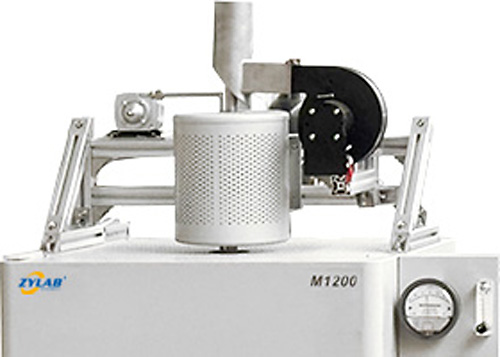
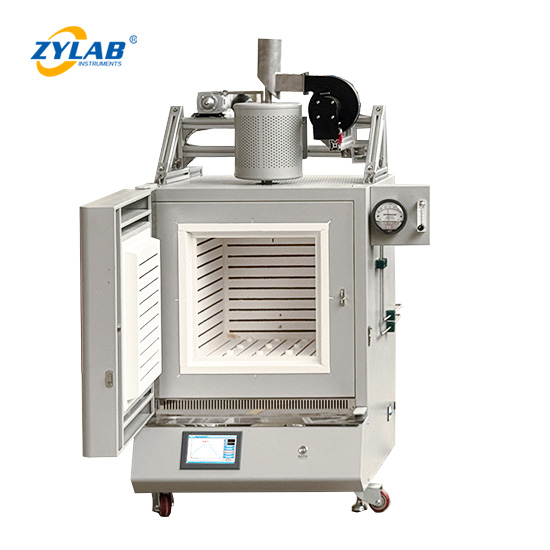
An afterburner (or post-combustion chamber) is a device installed at the exhaust outlet of a kiln or furnace. Its primary function is to burn off pollutants and unreacted gases remaining in the exhaust stream before they are released into the atmosphere.

By maintaining high temperatures and sufficient oxygen in the afterburning zone, these gases undergo complete combustion, significantly reducing harmful emissions such as CO, hydrocarbons, and VOCs.

How Does a Furnace Afterburner Work?

  1. Collection of Exhaust Gases – The exhaust gases from the main furnace chamber are directed into the afterburner.

  2. High-Temperature Oxidation – The afterburner operates at temperatures typically between 850°C and 1100°C, providing enough heat for complete oxidation of organic compounds.

  3. Pollutant Breakdown – Harmful emissions are converted into CO₂, H₂O, and heat, leaving a much cleaner exhaust.

  4. Emission Control – The treated gas is then released through the exhaust stack or further processed by a filtration or scrubber system if required.

Applications of Furnace Afterburners

Afterburners are widely used in:

  • Ceramic and glass kilns

  • Metal heat treatment furnaces

  • CVD and coating systems

  • Additive manufacturing and sintering processes

  • Chemical and laboratory furnaces

These applications often involve materials that release binders, solvents, or other organic compounds during heating — making afterburn systems essential for clean and safe operation.

Conclusion

A furnace afterburner is a vital component for achieving both environmental sustainability and safe industrial operation. By completely oxidizing unburned exhaust gases, it minimizes harmful emissions, improves process efficiency, and ensures compliance with air quality standards.

For laboratories, research institutions, and industrial manufacturers, selecting a furnace equipped with a reliable afterburn system is an important step toward greener and cleaner production.
Get In Touch

Fill out the form below — free quote and professional suggestion will be sent for reference very soon!