
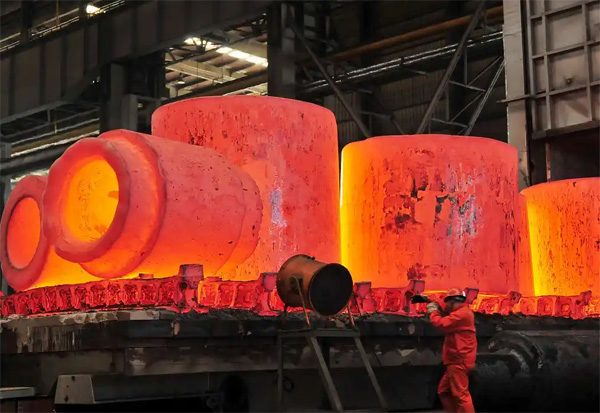
Aging treatment, also known as precipitation hardening, is a key step in modern heat treatment technology. This process follows solution treatment and involves heating alloys at a controlled temperature to allow the formation of fine precipitates, which strengthen the metal.
Tag Archives: Heat treatment process
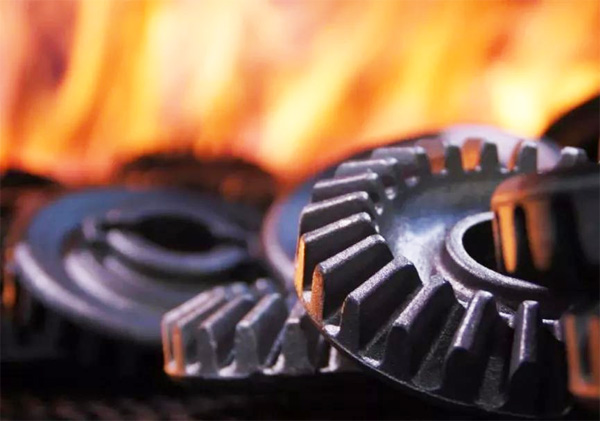
In the field of heat treatment, solution treatment (also known as solid solution treatment) is a critical process for improving the mechanical and corrosion-resistant properties of metals, especially stainless steels, nickel-based alloys, and aluminum alloys. The process involves heating the alloy to a high temperature to dissolve alloying elements into a solid solution, followed by rapid cooling to retain this uniform structure.
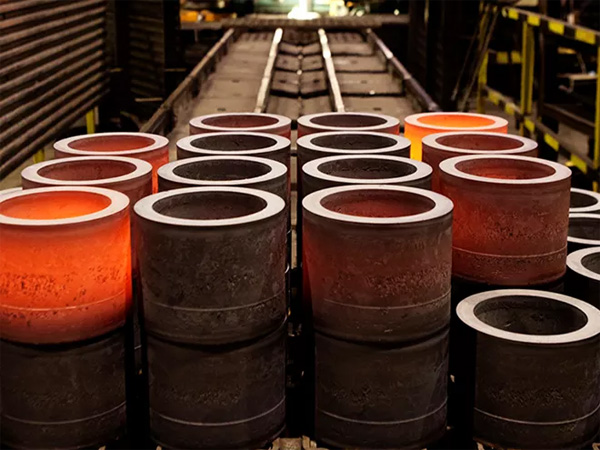
Quenching and tempering, commonly known as “tempering after quenching” or “quench-temper treatment”, is a fundamental heat treatment process used to optimize the mechanical properties of steel. This article explores what quenching and tempering is, its purpose, how it differs from simple quenching, and essential technical considerations for researchers and engineers.
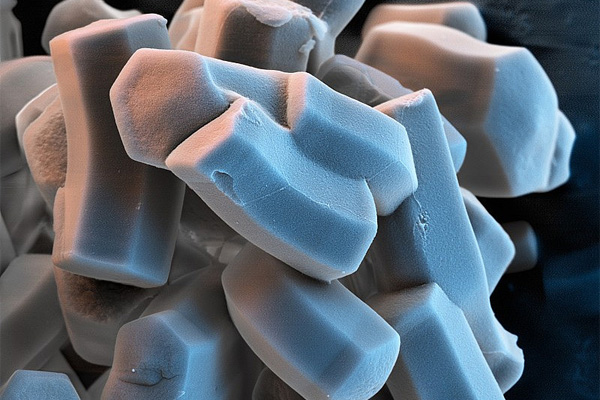
Porous materials are widely used in catalysis, gas storage, separation technologies, and energy storage due to their high surface area, tunable pore structures, and excellent chemical stability. Among them, Metal-Organic Frameworks (MOFs) and silica (SiO₂) are two of the most prominent representatives. Thermal treatment plays a crucial role in optimizing their structural and functional properties.