
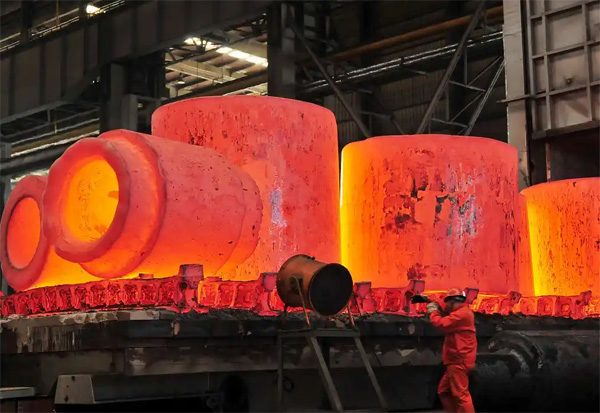
Aging treatment, also known as precipitation hardening, is a key step in modern heat treatment technology. This process follows solution treatment and involves heating alloys at a controlled temperature to allow the formation of fine precipitates, which strengthen the metal.
Tag Archives: Heat Treatment Furnace
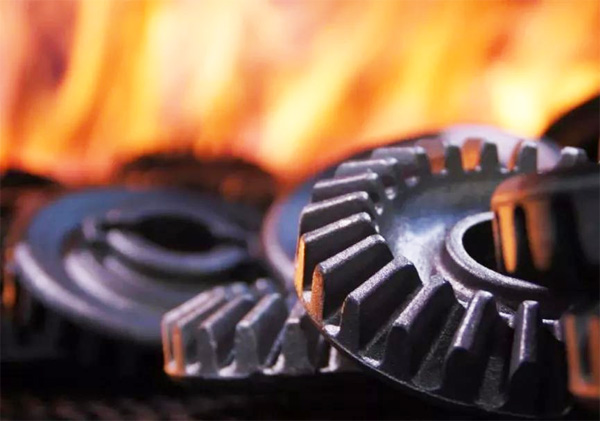
In the field of heat treatment, solution treatment (also known as solid solution treatment) is a critical process for improving the mechanical and corrosion-resistant properties of metals, especially stainless steels, nickel-based alloys, and aluminum alloys. The process involves heating the alloy to a high temperature to dissolve alloying elements into a solid solution, followed by rapid cooling to retain this uniform structure.
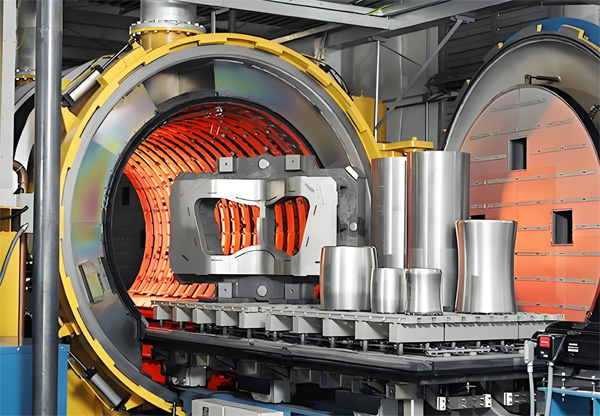
While conventional heat treatment is widely applied in industries, vacuum heat treatment has become essential for high-precision and high-performance applications. This article explores the differences between conventional and vacuum heat treatment, including furnace types, process methods, and practical considerations.
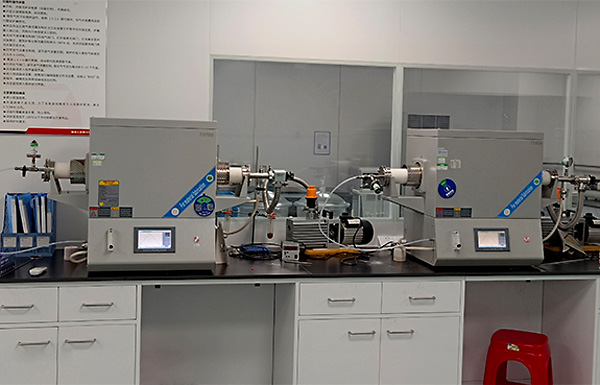
Tube furnaces are widely used in materials science due to their ability to deliver precise, high-temperature environments under controlled atmospheres. They play a critical role in research and development across various fields such as metallurgy, ceramics, crystal growth, and nanomaterials.

The 1200°C programmable muffle furnace is a fundamental tool in new material research, enabling precise heat treatments for ceramics, MMCs, and other advanced materials. Its applications in sintering, annealing, and decomposition studies support the development of high-performance materials for industries such as aerospace, electronics, and energy storage.
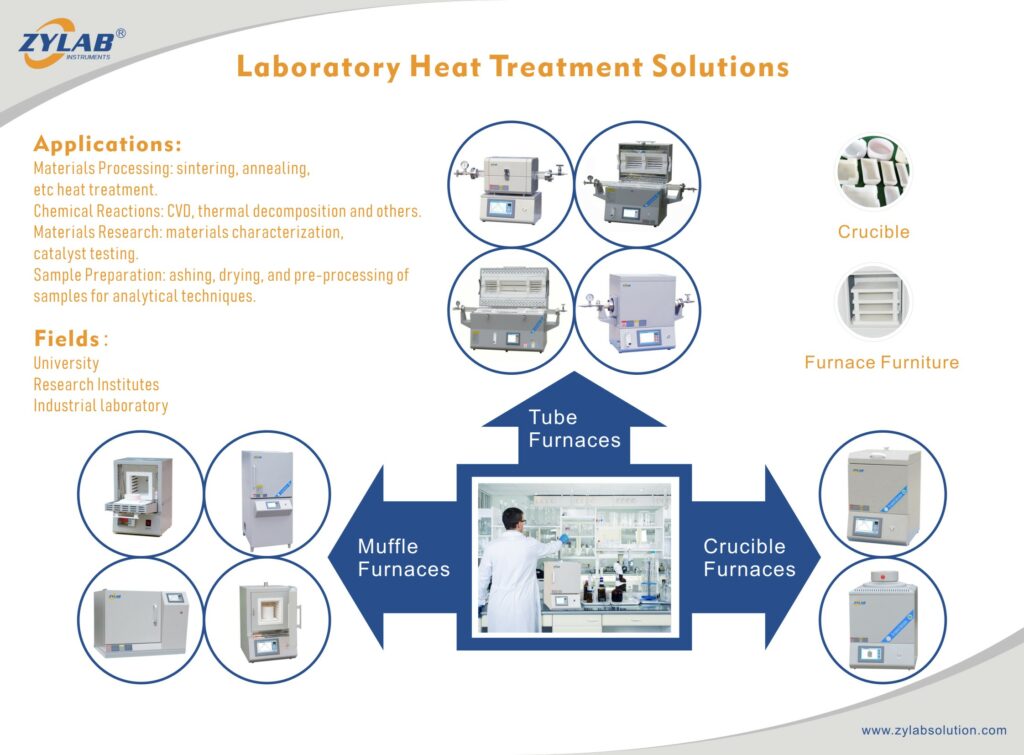
Materials Processing: sintering, annealing, etc heat treatment.
Chemical Reactions: CVD, thermal decomposition and others.
Materials Research: materials characterization,catalyst testing.
Sample Preparation: ashing, drying, and pre-processing of samples for analytical techniques.