Table of Contents
Precious metal refining plays a critical role in industries ranging from electronics and catalysis to jewelry and scientific research. As purity requirements become increasingly stringent and environmental regulations grow stricter, traditional refining methods are facing significant challenges.
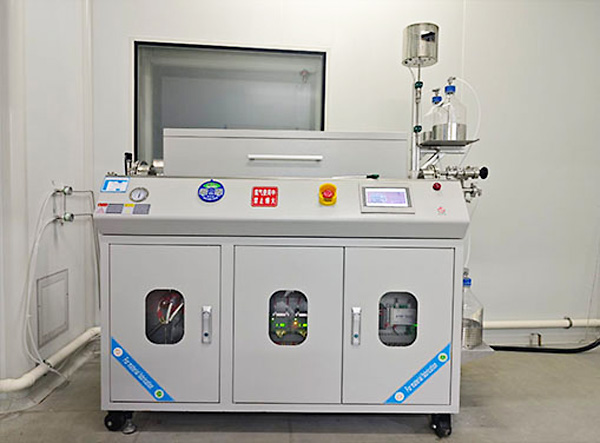
Hydrogen-based precious metal refining, enabled by advanced hydrogen reduction furnaces, has emerged as a highly efficient, clean, and controllable solution for producing ultra-high-purity precious metals such as gold, silver, and platinum-group metals.
This article explores how hydrogen reduction furnaces are transforming precious metal refining by improving purity, increasing efficiency, and reducing environmental impact.
Achieving Ultra-High Purity in Precious Metal Refining
One of the primary advantages of hydrogen-based refining is its ability to significantly improve metal purity.
Using a hydrogen reduction furnace, crude gold with a purity of approximately 95% can be refined to 99.99% or higher. During the high-temperature hydrogen reduction process, impurity elements such as:
-
Silver (Ag)
-
Copper (Cu)
-
Lead (Pb)
-
Other base metal residues
are effectively reduced or volatilized, resulting in a cleaner and more homogeneous metal structure.
This level of purity meets and often exceeds international standards for gold bullion, making hydrogen-based refining especially suitable for:
-
High-value gold bar production
-
Electronic-grade precious metals
-
Research and analytical applications
-
Advanced material synthesis
Compared with conventional chemical or electrolytic refining, hydrogen reduction offers superior control over impurity removal without introducing secondary contaminants.
Higher Efficiency Compared with Traditional Refining Processes
Traditional precious metal refining methods often suffer from long processing cycles, complex workflows, and high operational costs. In contrast, hydrogen reduction furnaces dramatically enhance refining efficiency.
Key efficiency advantages include:
-
Shorter refining cycles: High-temperature hydrogen atmospheres accelerate reduction reactions
-
Higher throughput per unit time: Suitable for both batch and continuous processing
-
Stable and repeatable results: Precise temperature and gas flow control ensure consistent quality
By optimizing thermal efficiency and reaction kinetics, hydrogen-based refining allows manufacturers and laboratories to process more material in less time, directly improving productivity.
In addition, modern hydrogen reduction furnaces are designed with advanced insulation materials and intelligent control systems, which significantly reduce energy consumption and operating costs compared with legacy furnace technologies.
Environmentally Friendly and Sustainable Refining Technology
Environmental protection has become a key consideration in precious metal refining, particularly for companies operating under strict regulatory frameworks.
Hydrogen-based precious metal refining offers clear environmental advantages:
-
Reduced harmful gas emissions compared with chemical refining methods
-
Minimal wastewater generation, lowering treatment and disposal complexity
-
Cleaner reaction by-products, primarily water vapor under controlled conditions
By eliminating or greatly reducing the use of aggressive chemicals and acids, hydrogen reduction furnaces help refineries comply with national and international environmental standards while improving workplace safety.
This makes hydrogen-based refining an ideal solution for organizations pursuing green manufacturing, sustainable metallurgy, and low-emission production processes.
Why Hydrogen Reduction Furnaces Are the Future of Precious Metal Refining
With growing demand for ultra-high-purity materials and environmentally responsible production, hydrogen reduction furnaces are becoming a preferred choice across the precious metals industry.
They are particularly well suited for:
-
Gold refining and bullion production
-
Recovery and purification of precious metals from recycled materials
-
Research laboratories and pilot-scale refining
-
High-end industrial and electronic material processing
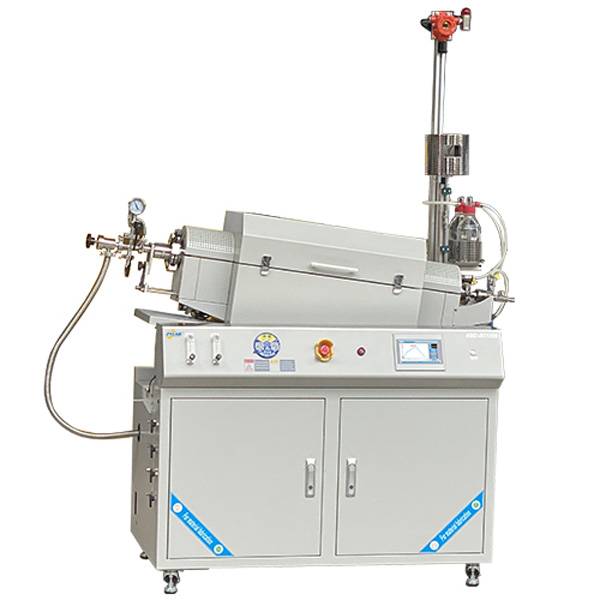
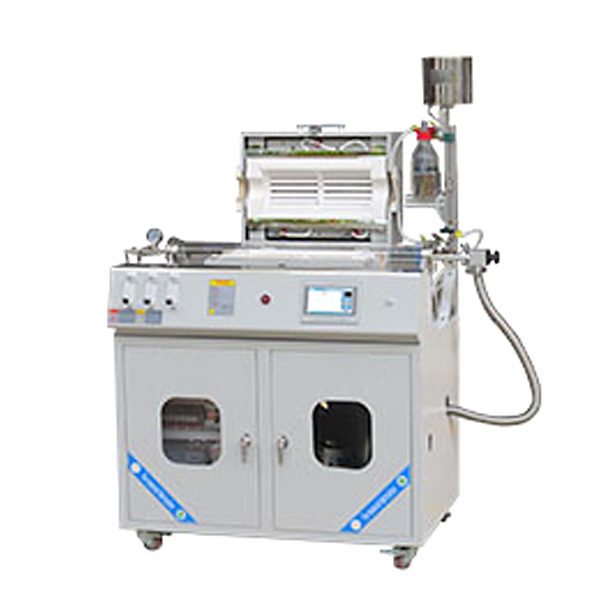
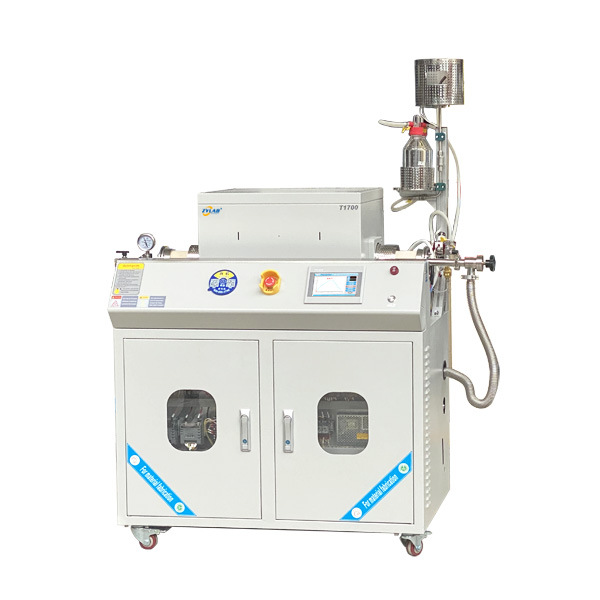
In recent years, several laboratory furnace manufacturers have focused on developing hydrogen reduction furnaces specifically for precious metal refining and research applications. Among them, ZYLAB has introduced laboratory-scale hydrogen reduction furnace systems designed to support precise atmosphere control, stable temperature uniformity, and reproducible refining performance, making them suitable for both academic research and pilot-scale precious metal purification.
Conclusion
Hydrogen-based precious metal refining is redefining how high-purity metals are produced. Through the use of advanced hydrogen reduction furnaces, refineries can achieve 99.99%+ purity, significantly increase processing efficiency, and meet strict environmental standards—all while lowering long-term operational costs.
For laboratories requiring precise atmosphere control, compact chamber design, and repeatable refining results, hydrogen reduction furnaces can be customized to meet specific experimental requirements, with laboratory-scale systems such as those developed by ZYLAB focusing on flexible atmosphere configurations, precise temperature control, and compact designs to support advanced research applications.
Get In Touch
Fill out the form below — free quote and professional suggestion will be sent for reference very soon!