Comprehensive Guide to Graphene Thin-Layer Material Preparation Methods

Table of Contents

Graphene, a single layer of carbon atoms arranged in a hexagonal lattice, has attracted widespread attention due to its exceptional electrical, thermal, and mechanical properties. The preparation of thin-layer graphene is a key step for applications in electronics, energy storage, sensors, and composite materials.

This article provides a comprehensive overview of the main graphene preparation methods, their processes, characteristics, and practical considerations.
1. Mechanical Exfoliation Method

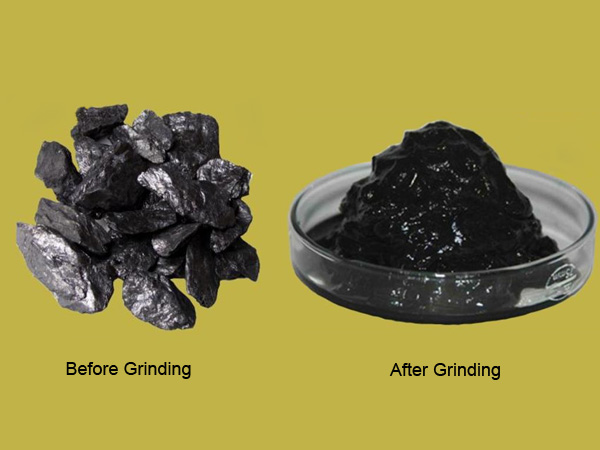
Mechanical exfoliation, also known as the “Scotch tape method”, is one of the earliest and simplest methods for producing high-quality graphene layers. It involves peeling off thin layers from bulk graphite through mechanical force.

Graphene Thin-Layer Material Preparation Methods

Case Study:
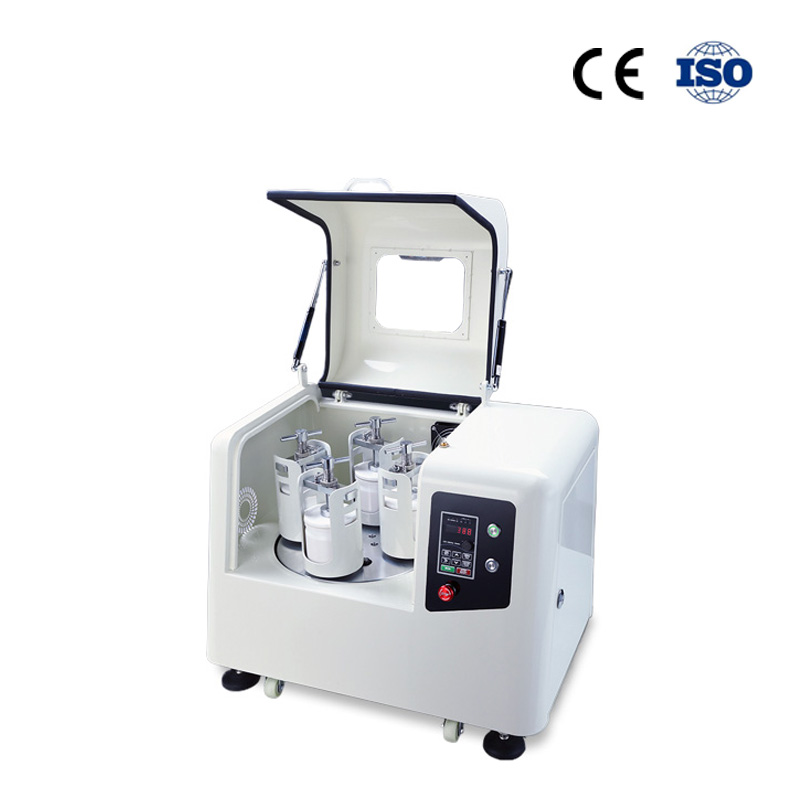
Using a ZYLAB Planetary Ball Mill, graphene thin layers can be obtained with high crystal integrity:

  • Equipment: Planetary Ball Mill

  • Rotational Speed: 600 rpm

  • Grinding Time: 120 minutes

  • Result: Thin-layer graphene retaining intact crystal structure

2L Planetary Ball Mill
Planetary Ball Mill

Advantages:

  • Produces high-quality, defect-free graphene

  • Simple equipment requirements

2. Oxidation-Reduction Method

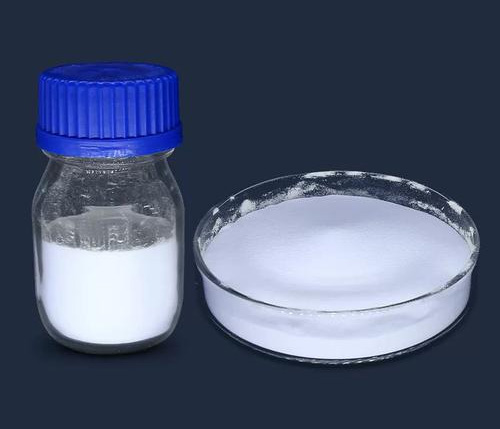
The oxidation-reduction method involves converting graphite to graphene oxide (GO) through chemical oxidation, followed by reduction to obtain graphene.

Process:

  1. Oxidize graphite using strong oxidizing agents to produce graphene oxide.

  2. Reduce graphene oxide chemically or thermally to restore conductivity and structure.

Advantages:

  • Scalable for larger quantities

  • Allows surface functionalization for composite materials

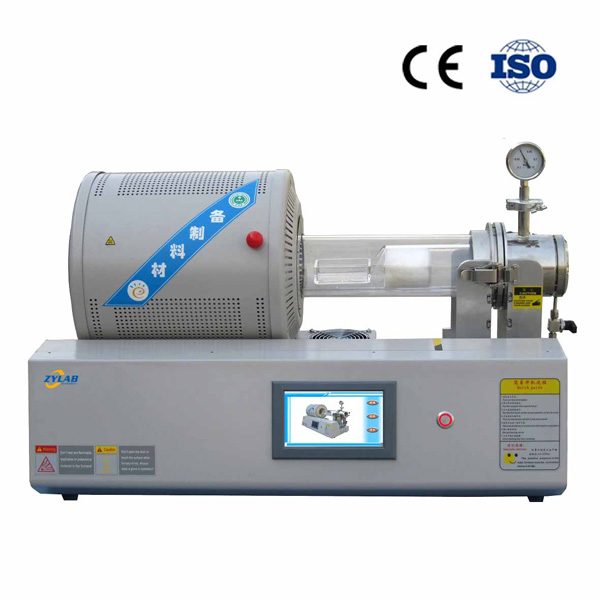
Rotary Hydrogen Atmosphere Furnace for Heat Treatment
Hydrogen Reduction Furnace

3. Silicon Carbide (SiC) Epitaxial Growth

SiC epitaxial growth is a method where graphene layers form on silicon carbide substrates at high temperatures through thermal decomposition.

Process:

  1. Heat SiC wafers under vacuum or inert atmosphere.

  2. Silicon atoms sublimate, leaving behind carbon atoms that form graphene layers.

Advantages:

  • Produces high-quality, uniform graphene layers on wafers

  • Suitable for electronic devices

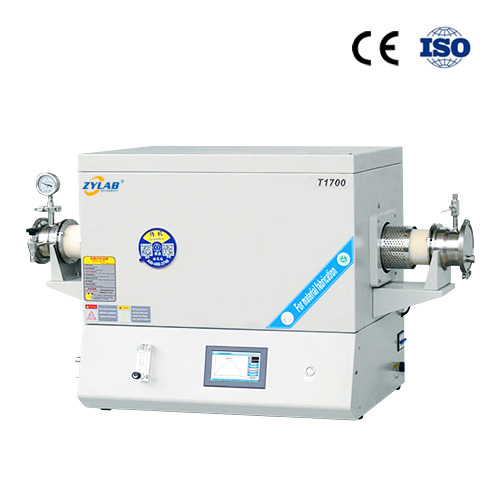
1700°C Double Zone Tube Furnace
Tube Furnaces

4. Chemical Vapor Deposition (CVD) Method

Chemical Vapor Deposition is widely used for large-area, high-quality graphene production.

Process:

  1. Introduce hydrocarbon gases (e.g., methane) over a metal substrate (copper or nickel).

  2. Decompose the gas at high temperature to form a graphene layer on the substrate.

  3. Transfer graphene onto target substrates if needed.

Advantages:

  • Produces large-area, uniform graphene films

  • Good control over layer thickness

  • Scalable for industrial production

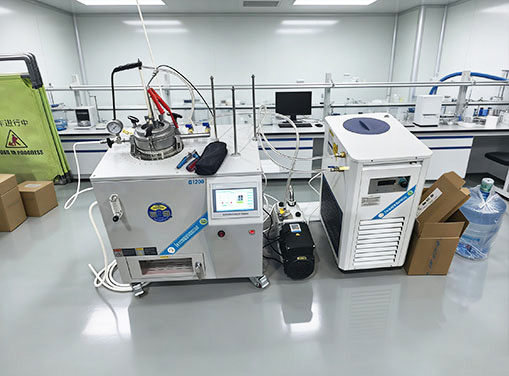
Graphene Growth Furnace
CVD Furnace System

5. Other Methods

Other graphene preparation methods include:

  • Liquid-phase exfoliation: Graphite is dispersed in solvents and ultrasonically exfoliated to form graphene flakes.

  • Electrochemical exfoliation: Uses electrochemical reactions to peel graphene from graphite.

  • Arc discharge and laser ablation: High-energy methods for producing graphene nanoplatelets.

Each method has its unique advantages and application scenarios, ranging from laboratory-scale high-quality graphene to industrial-scale production for composites and coatings.

Conclusion

Choosing the appropriate graphene preparation method depends on the target application, quality requirements, and production scale.

  • For research requiring high crystal integrity, mechanical exfoliation with a planetary ball mill is ideal.

  • For large-scale production, CVD or oxidation-reduction methods are preferred.

  • For electronics applications, SiC epitaxial growth provides uniform, wafer-ready graphene.

By understanding the advantages, limitations, and practical setups of each method, researchers and engineers can select the optimal approach for producing graphene thin-layer materials.

Get In Touch

Fill out the form below — free quote and professional suggestion will be sent for reference very soon!