
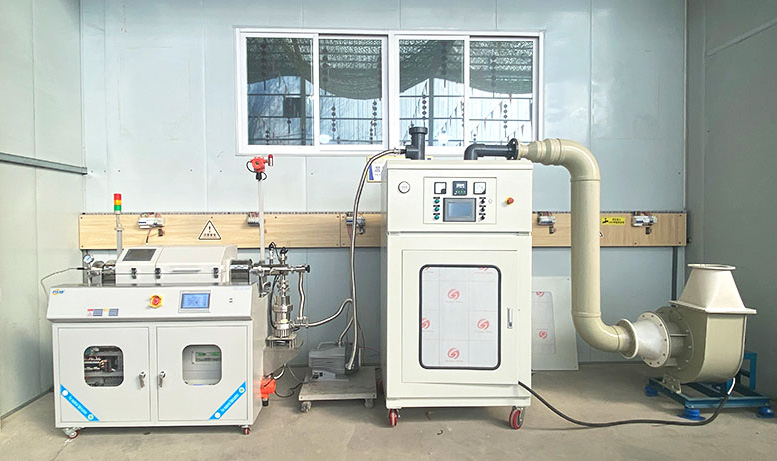
High-temperature furnaces are widely used in industries such as materials research, ceramics, metallurgy, and additive manufacturing. During operation, these furnaces often generate hazardous exhaust gases, including silanes, halides, acid/base gases, and dust particles. Effective exhaust gas treatment solutions are essential for environmental compliance, workplace safety, and furnace longevity.
Category Archives: Laboratory
Laboratory
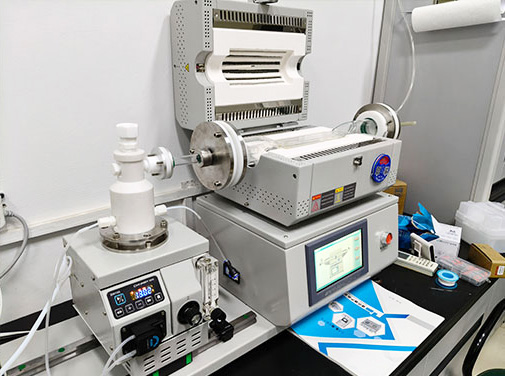
The development of high-performance functional materials is critical for flexible electronics and next-generation energy devices. Flexible transparent conductive films (TCFs) and electrode functional layers are foundational for wearable devices, foldable displays, batteries, supercapacitors, and solar cells. Achieving uniform, defect-free coatings with precise control over composition and microstructure is challenging. Ultrasonic Atomization Chemical Vapor Deposition (CVD) provides a precise solution for laboratory-scale material research.
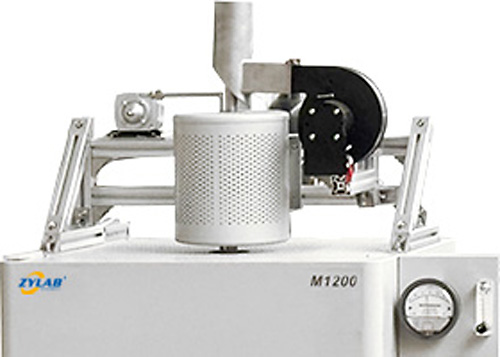
In high-temperature industrial processes such as sintering, metal melting, and ceramic firing, furnaces generate exhaust gases that may contain unburned hydrocarbons, volatile organic compounds (VOCs), or other harmful emissions. To address this issue, many modern furnaces are equipped with an afterburner system, also known as a secondary combustion chamber.
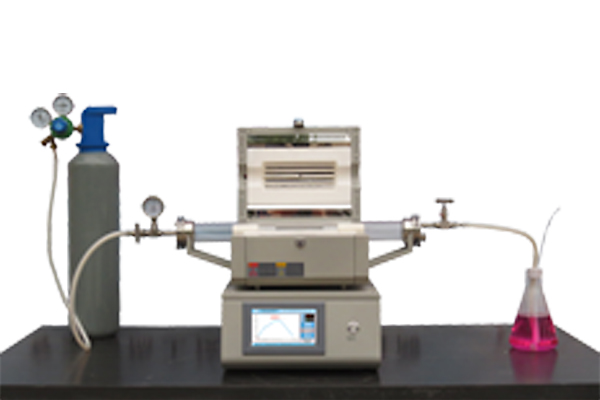
Using a mini tube furnace safely requires careful attention to pressure control, gas flow, temperature calibration, and material purity. Following these precautions will help you achieve reliable high-temperature sintering results, protect the furnace from damage, and maintain a safe laboratory environment.
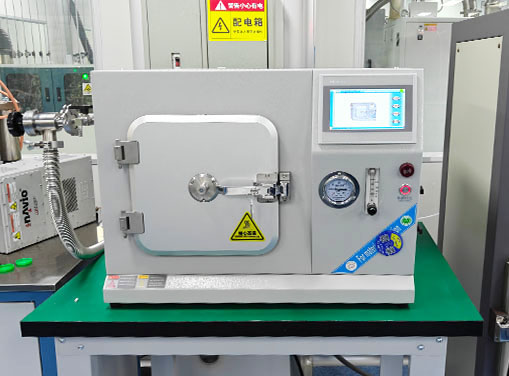
For the high-temperature preparation of oxidation-sensitive materials like titanium alloys and high-purity alumina ceramics, a clean-type vacuum box furnace is an indispensable tool. By providing a controlled vacuum environment, uniform heating, and clean protective atmospheres, it ensures material purity, reproducibility, and superior performance.
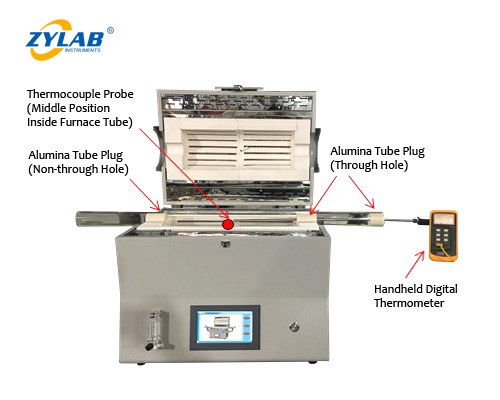
To ensure measurement accuracy, researchers often use a handheld K-type armored thermocouple and digital thermometer. This tool allows users to:
Verify the actual temperature inside the furnace tube.
Measure the surface temperature of the sample during heat treatment.
Calibrate the tube furnace temperature system for improved precision.
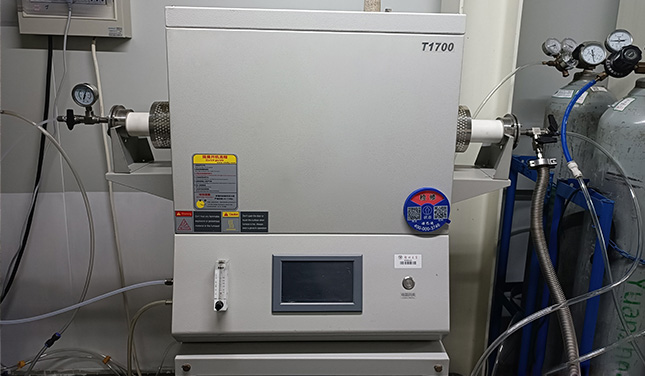
Among various laboratory heating instruments, a 1700℃ tube furnace stands out for its high-temperature capabilities, uniform heating, and versatility in catalyst synthesis. This article explores how a 1700℃ tube furnace supports high-efficiency catalyst preparation experiments, its advantages, and practical applications.
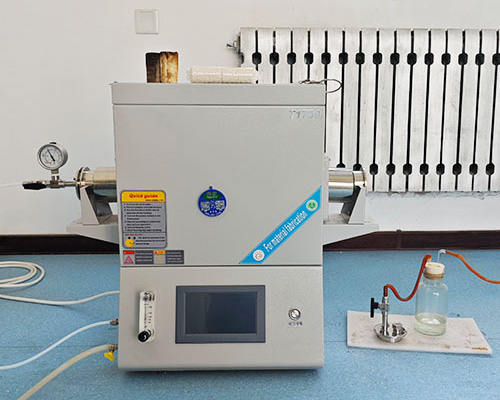
This article delves into the technical role of high-temperature tube furnaces in carbon-based composite synthesis, focusing on temperature control, atmosphere management, and material uniformity—critical parameters for researchers and engineers in advanced material science.
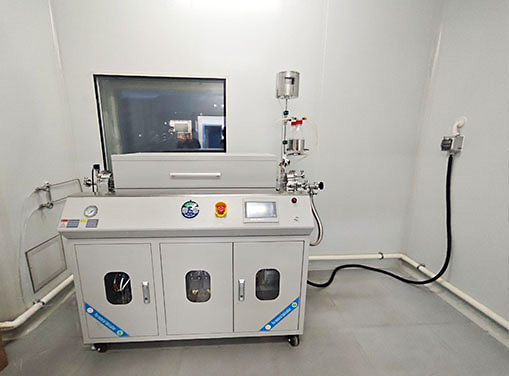
For enterprises in the precious metals industry, the adoption of a hydrogen reduction furnace represents a leap forward in both technology and sustainability. By delivering higher efficiency, superior product purity, and reduced environmental impact, this equipment has become an indispensable tool for forward-thinking companies.
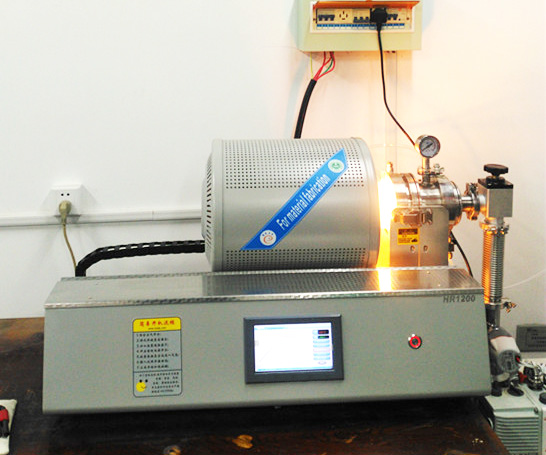
Rapid Thermal Processing (RTP) furnaces provide ultrafast heating, precise temperature control, and flexible experimental setups. They help researchers study thermal responses while preserving nanoscale structure integrity.