
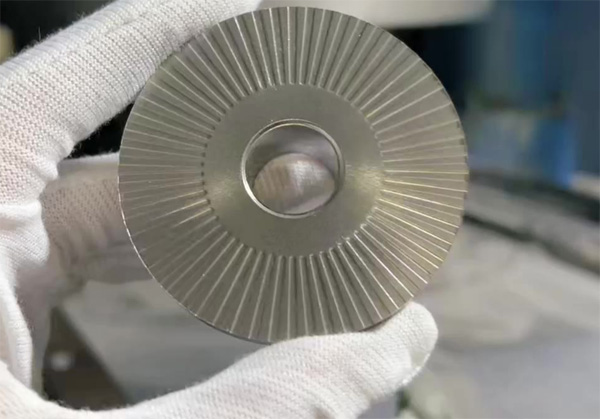
After sintering, powder metallurgy (PM) components often require post-processing treatments to achieve their final mechanical properties, dimensional accuracy, and surface quality. These additional steps are critical for ensuring that PM products meet the stringent demands of industrial and research applications in fields such as automotive, aerospace, electronics, and biomedical engineering.
Category Archives: Powder Metallurgy
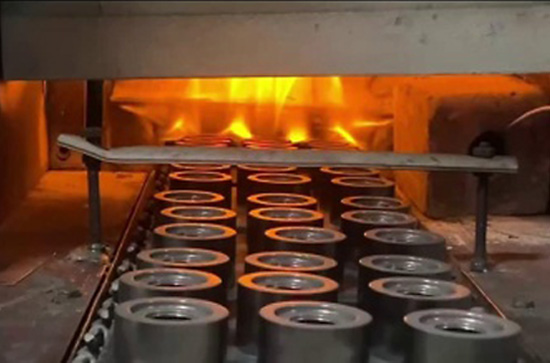
Sintering is one of the most critical stages in the powder metallurgy (PM) process. It transforms the fragile, porous “green compact” formed during the shaping stage into a dense, mechanically strong metal component.
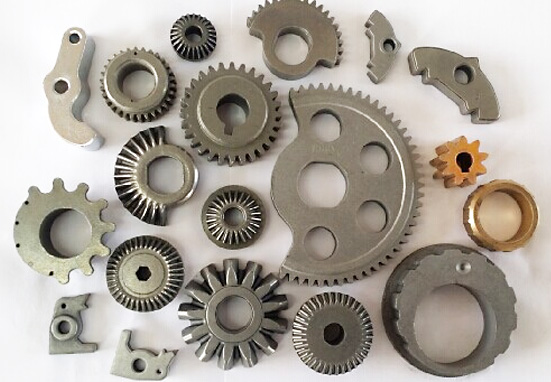
Forming is a critical stage in powder metallurgy (PM) that determines the geometry, density, and strength of the final sintered product. During this step, loose metal powders are compacted or shaped into a defined geometry known as the green compact, which is later densified through sintering.
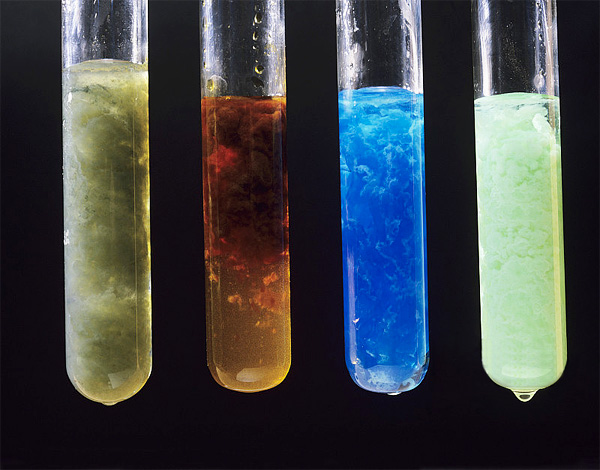
Following Part 1: Mechanical Milling Method, this second installment of the Powder Preparation Series focuses on chemical methods for producing powders. Unlike mechanical milling, which relies on physical forces, chemical methods leverage chemical reactions to synthesize powders with precise composition, controlled particle size, and uniform morphology.
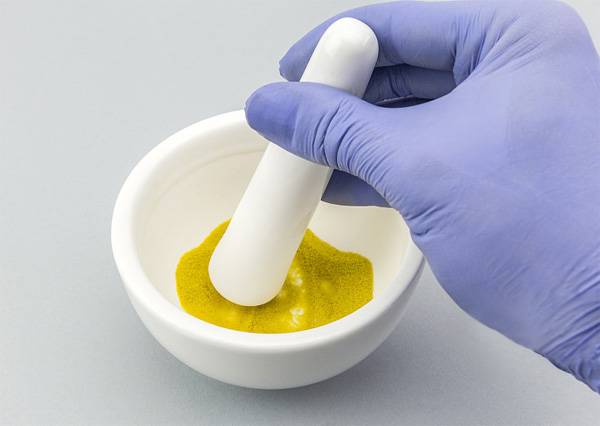
Powder preparation is a fundamental step in materials science, metallurgy, ceramics, and additive manufacturing. The properties of the final product—whether it is a sintered ceramic, a metallic component, or a composite material—largely depend on the characteristics of the powders used. In this first part of our Powder Preparation Series, we will focus on one of the most widely applied approaches: the mechanical milling (mechanical pulverization) method.