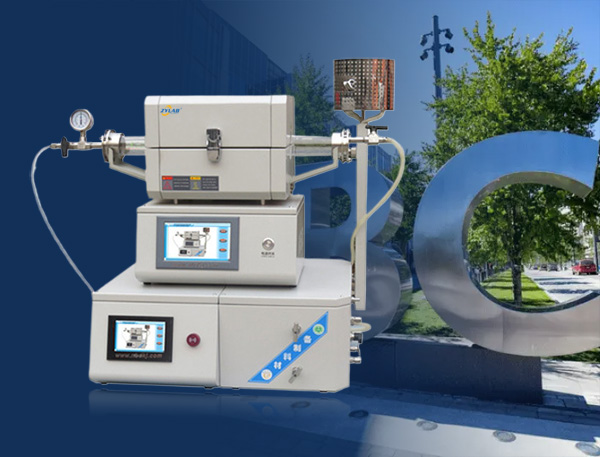
ZYLAB supplied a Mini Hydrogen Reduction Furnace to the Department of Mechanical Engineering at the University of British Columbia (UBC). The system is designed for laboratory-scale hydrogen reduction experiments and advanced materials research.
Author Archives: ZYLAB Solution
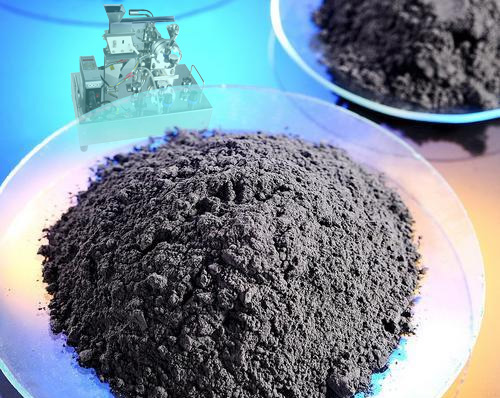
In laboratory research and pilot-scale material development, Lab Scale Jet Mills developed by ZYLAB provide an effective solution for processing LFP powders with high purity and reliable micron-scale particle size reduction.
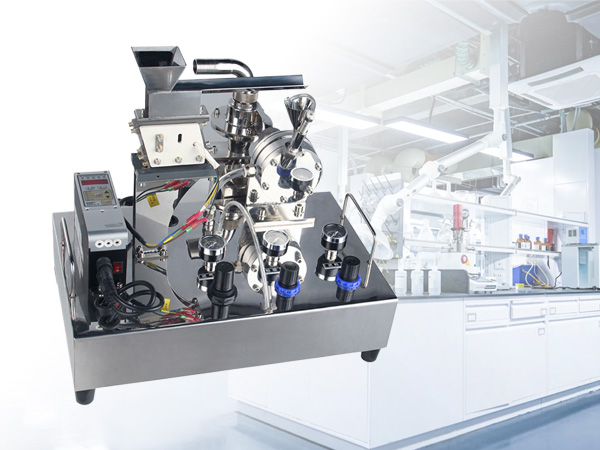
ZYLAB recently supplied a 50–500 g/h high-efficiency lab scale jet mill to the National Research Council Canada to support battery material development at its Clean Energy Innovation Research Centre.

ZYLAB recently supplied a laboratory tube furnace for biomass pyrolysis to researchers from the University of Ottawa in Canada. The system was designed to support controlled biomass pyrolysis experiments under a continuous nitrogen atmosphere.
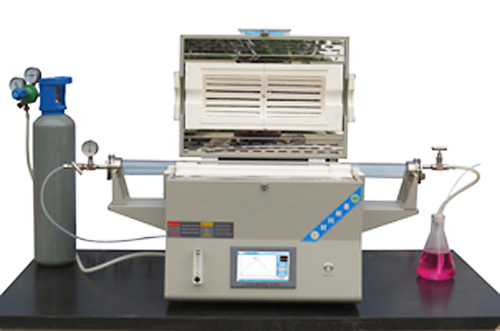
Biomass pyrolysis is widely studied in universities and research institutes as a method for converting organic materials into biochar, bio-oil, and syngas. A laboratory tube furnace is one of the most commonly used systems for small-scale pyrolysis experiments because it allows precise temperature control and stable inert atmosphere conditions.

Traditional powder mixers such as V-blenders or drum mixers can struggle to maintain homogeneity when working with fine powders, low-dose APIs, or cohesive particles. For research laboratories and formulation scientists, a 3D Shaker Mixer has become an increasingly preferred solution due to its unique three-dimensional motion and high mixing efficiency.

Jet milling offers an efficient and contamination-controlled solution for preparing dry electrode powders at laboratory scale. In this article, we explore how a lab scale jet mill supports binder-free dry electrode development, improves powder uniformity, and enhances electrochemical performance.
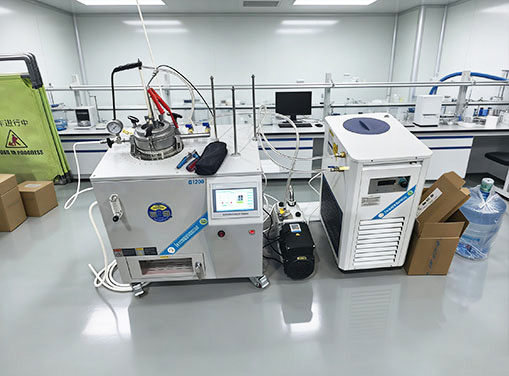
A laboratory molten salt furnace is not simply a heating device. It is a core research tool that enables controlled melting, long-term thermal stability evaluation, and systematic compatibility testing between molten salts and structural materials.
This article discusses the technical role of laboratory molten salt furnaces in molten salt system development and high-temperature material compatibility research.
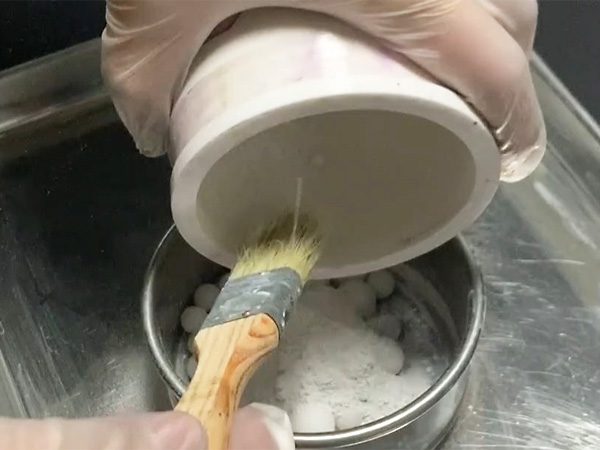
This article explains the main reasons behind incomplete size reduction in ball milling and provides practical solutions to improve grinding efficiency.

Understanding the role of grinding ball size distribution is critical for improving milling efficiency, controlling particle size, and achieving reproducible results. This article explains both the scientific reasons behind using multiple grinding ball sizes and practical guidelines for selecting the right grinding media.