Top 5 Applications of Tube Furnaces in Materials Science

Table of Contents

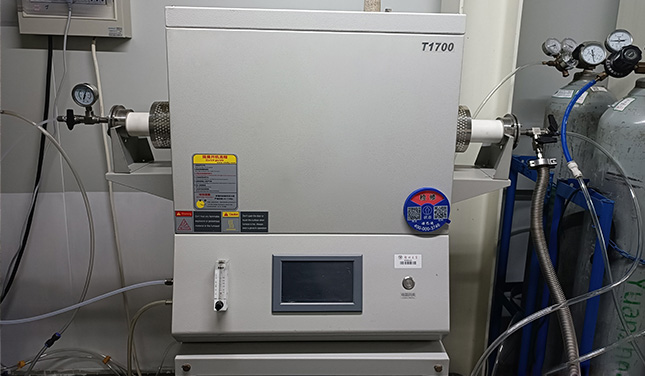
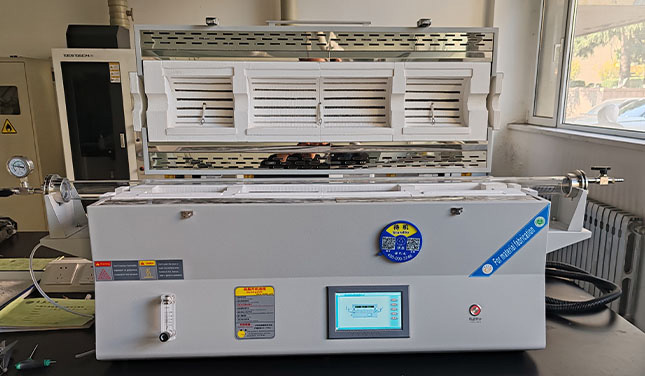
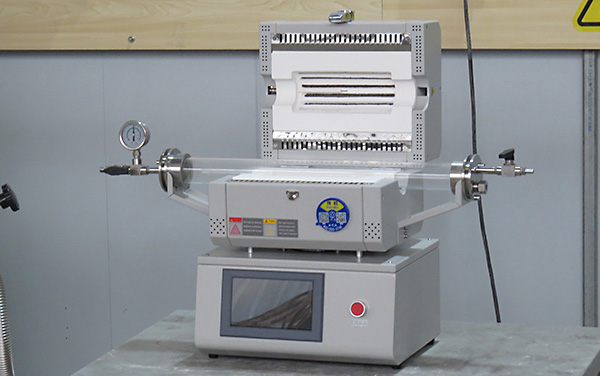
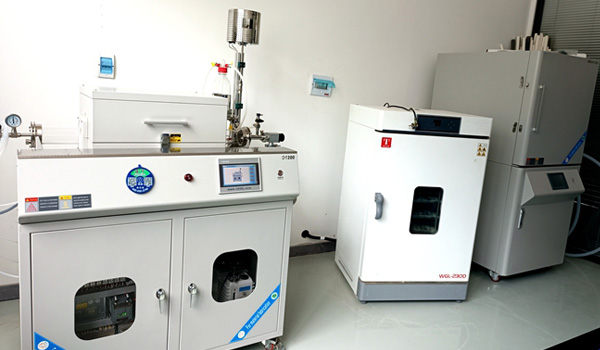
Tube furnaces are widely used in materials science due to their ability to deliver precise, high-temperature environments under controlled atmospheres. They play a critical role in research and development across various fields such as metallurgy, ceramics, crystal growth, and nanomaterials. In this blog post, we explore the top five most common applications of tube furnaces in materials science.

1. Heat Treatment of Metals and Alloys

Tube furnaces are commonly used for heat treating metallic materials in laboratory and industrial R&D settings. Processes include:

  • Annealing to relieve stress and improve ductility
  • Tempering to adjust mechanical properties
  • Solution treatment and aging of aluminum, nickel, and titanium alloys

These processes are essential for tailoring microstructures and enhancing material performance. With precise temperature control and optional gas atmosphere or vacuum configurations, tube furnaces offer the stability needed for reproducible results.

2. Sintering of Ceramic Materials

Ceramic sintering is another key application. Tube furnaces are ideal for:

  • Densifying ceramic powders
  • Synthesizing advanced ceramic composites
  • Fabricating components like fuel cell membranes, insulators, and electronic substrates

Sintering under controlled oxygen, nitrogen, or argon atmospheres helps researchers optimize the grain structure and improve mechanical, thermal, and electrical properties of ceramic materials.

3. Crystal Growth and Solid-State Synthesis

Many single crystals and compound materials are grown or synthesized in tube furnaces using:

  • Chemical Vapor Transport (CVT)
  • Solid-state reactions
  • Molten salt synthesis

These methods are widely used in the production of semiconductors, magnetic materials, and superconductors. Multi-zone tube furnaces with programmable thermal gradients are often required for such precision-based processes.

4. Thermal Decomposition and Phase Transition Studies

Tube furnaces are also used in fundamental research on phase transitions, thermal decomposition, and material stability. Typical experiments include:

  • Decomposition of precursors
  • Phase transformation studies (e.g., perovskite to spinel)
  • High-temperature stability testing of composites or coatings

Researchers often pair tube furnaces with analytical instruments like mass spectrometers, FTIR, or TGA systems for real-time monitoring of chemical reactions or weight changes.

5. Atmosphere-Controlled Surface Treatment

Many materials require surface modification under specific gas atmospheres. Common processes include:

  • Reduction using hydrogen or forming gas
  • Oxidation under oxygen-rich environments
  • Carburization or nitriding of metal surfaces
  • Graphene or CNT synthesis under hydrocarbon gases

Tube furnaces equipped with gas flow controllers, vacuum pumps, and exhaust treatment systems enable these controlled-atmosphere processes with high safety and repeatability.

Why Choose ZYLAB Tube Furnaces?

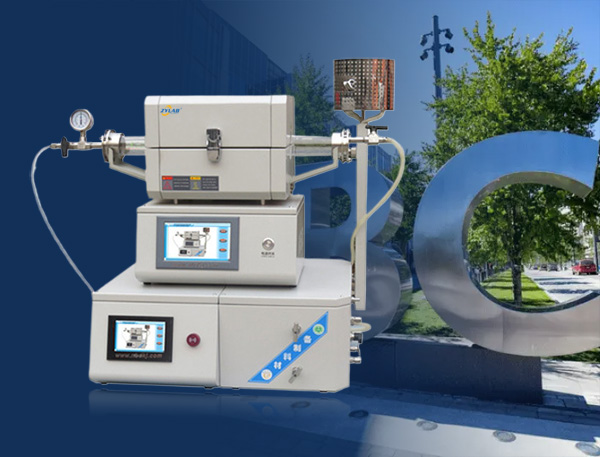
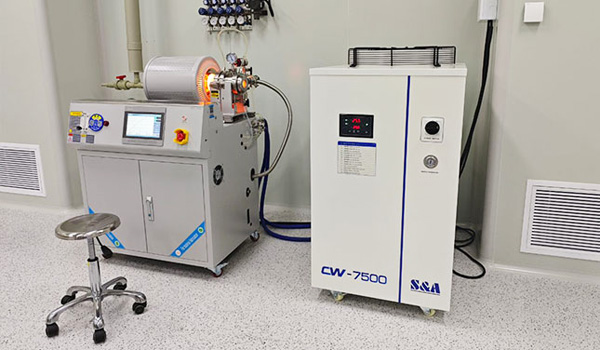
At ZYLAB, we offer a full range of customizable tube furnace solutions for materials science applications:

  • Single-zone and multi-zone heating
  • Max temperatures up to 1700°C
  • Vacuum and gas mixing systems
  • Rotating or sliding chamber options
  • PLC touch screen and PID fuzzy control

Whether you are sintering ceramics, heat-treating alloys, or growing crystals, our tube furnaces are designed to meet your research and production needs.

Contact us to learn more about customization options.
Get In Touch

Fill out the form below — free quote and professional suggestion will be sent for reference very soon!