Table of Contents
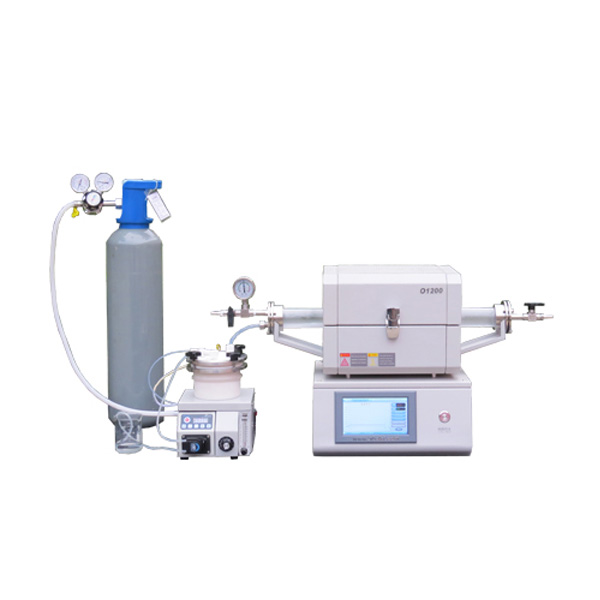
The development of high-performance functional materials is critical for flexible electronics and next-generation energy devices. Flexible transparent conductive films (TCFs) and electrode functional layers are foundational for wearable devices, foldable displays, batteries, supercapacitors, and solar cells. Achieving uniform, defect-free coatings with precise control over composition and microstructure is challenging. Ultrasonic Atomization Chemical Vapor Deposition (CVD) provides a precise solution for laboratory-scale material research.
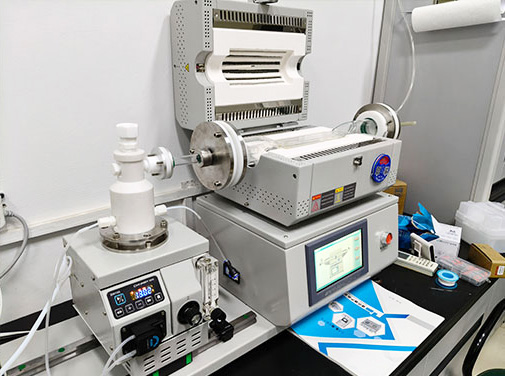
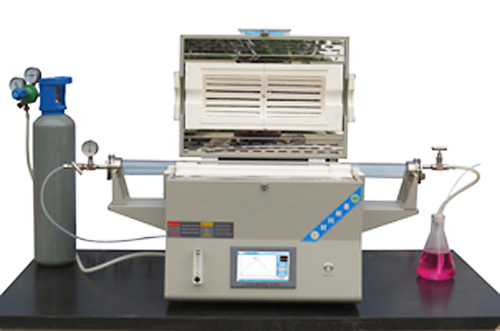
How Ultrasonic Atomization CVD Works
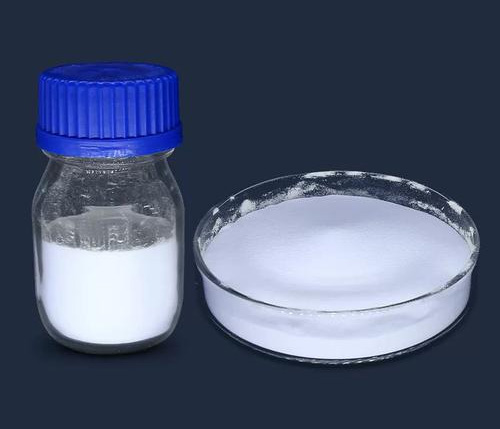
- Precursor Solution Preparation: Dissolve target material precursors in a suitable solvent.
-
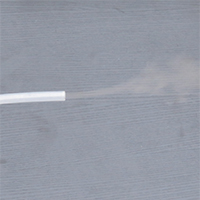
Ultrasonic Atomization: High-frequency vibrations generate fine droplets of the precursor solution.
-
Transport and Deposition: Droplets are carried to the heated substrate in a controlled atmosphere.
-
Thin-Film Formation: Solvent evaporates and precursor reacts/decomposes, forming uniform thin films.
This process ensures high uniformity and fine control over film morphology, thickness, and composition.
Precision Deposition for Flexible Transparent Conductive Films
Flexible TCFs—such as silver nanowires, graphene, and conductive oxides—require uniform deposition to maintain both transparency and conductivity while remaining mechanically flexible. Ultrasonic atomization enables:
-
Micrometer-scale precursor droplets for homogeneous coating.
-
Controlled growth parameters: film thickness, surface morphology, and conductivity can be precisely tuned.
-
Substrate-friendly deposition: gentle process suitable for polymers and other delicate flexible materials.
This level of control supports high-performance TCFs for wearable electronics, foldable displays, touch panels, and smart windows.
Functional Electrode Layers for Energy Devices
High-quality electrode layers are essential in lithium-ion/sodium-ion batteries, supercapacitors, and perovskite solar cells. Ultrasonic atomization CVD provides:
-
Consistent active material coating, reducing defects and enhancing reproducibility.
-
Multilayer and composite deposition: doped layers, heterostructures, and nanocomposites can be fabricated.
-
Optimized microstructure: tailored porosity and morphology improve ionic/electronic transport and cycling stability.
Advantages for Materials Research
Ultrasonic atomization CVD systems provide several key benefits for laboratory research:
-
High reproducibility: Critical for both fundamental studies and pre-industrial prototyping.
-
Flexibility in deposition parameters: Adjustable ultrasonic frequency, precursor concentration, substrate temperature, and deposition duration.
-
Broad material and substrate compatibility: Supports polymers, glass, metal foils, and complex substrate geometries.
-
Scalability for pilot studies: Enables seamless transition from small-scale experiments to larger-area coatings.
These features make ultrasonic atomization CVD particularly valuable for interdisciplinary materials research, including flexible electronics, optoelectronics, energy storage, and catalysis.
Conclusion
Ultrasonic atomization CVD provides precision, uniformity, and reproducibility required for cutting-edge material research. For flexible transparent conductive films, it ensures high transparency and conductivity on sensitive substrates. For energy device electrodes, it allows fine control over composition and microstructure to enhance performance.
By enabling the precise engineering of thin films and functional layers, ultrasonic atomization CVD accelerates innovation in next-generation electronics and energy technologies.
Get In Touch
Fill out the form below — free quote and professional suggestion will be sent for reference very soon!