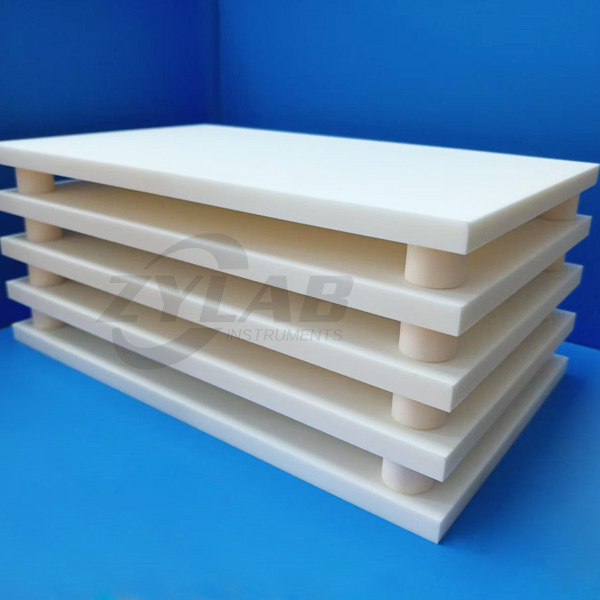
Case Study: Custom Alumina Kiln Furniture for IREC Laboratory Furnaces
ZYLAB once again supplied customized alumina kiln furniture to IREC, a leading energy research institute in Spain, based on the dimensions of its laboratory muffle furnaces.
ZYLAB once again supplied customized alumina kiln furniture to IREC, a leading energy research institute in Spain, based on the dimensions of its laboratory muffle furnaces.
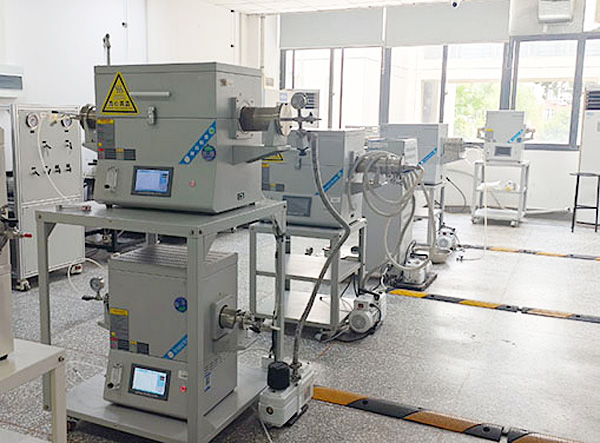
Choosing the right laboratory tube furnace is important for achieving reliable and repeatable results in material research. A tube furnace is commonly used for processes such as heat treatment, calcination, sintering, annealing, oxidation, reduction, thermal testing, and atmosphere-controlled experiments.
However, selecting a laboratory tube furnace based only on its maximum temperature is often not enough. The furnace tube material, working atmosphere, vacuum capability, heating zone, sample size, heating rate, temperature uniformity, and gas flow can all affect the experimental results.
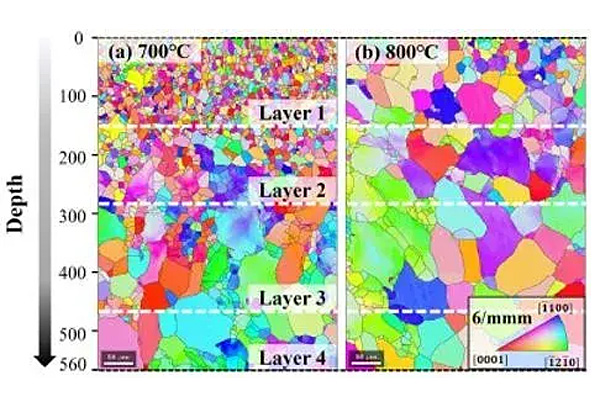
For researchers developing nanostructured ceramics, functionally graded materials (FGMs), metal-ceramic composites, and advanced nanocomposites, selecting an appropriate sintering temperature is therefore not simply a matter of achieving sufficient density.
The central challenge is often:
How can sufficient densification be achieved without destroying the designed nanoscale or gradient microstructure?
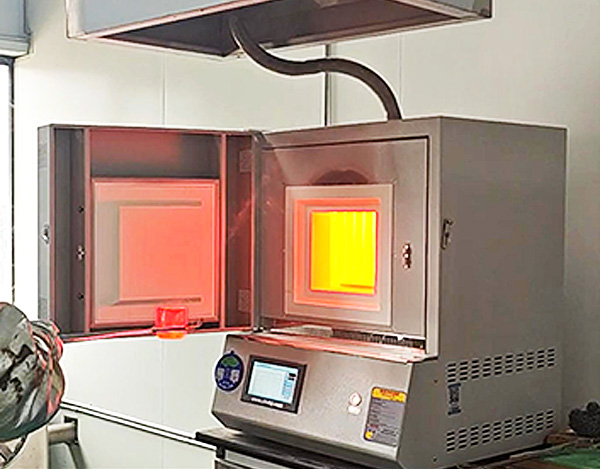
For the preparation of high-purity amorphous quartz materials, thermal processing is a critical step. A high-temperature sintering furnace provides controlled thermal and atmospheric conditions, allowing researchers to study densification, pore evolution, structural stability, and material purity.
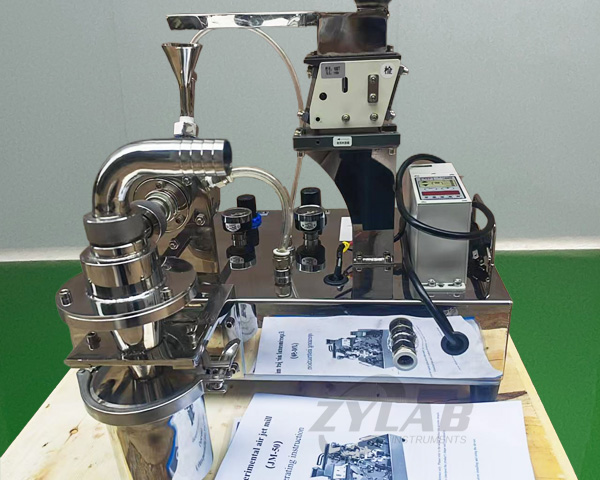
ZYLAB supplied a lab scale jet mill with feeder and product collector to a U.S. lithium-ion battery R&D company, providing a glove box-compatible solution for precision powder processing.
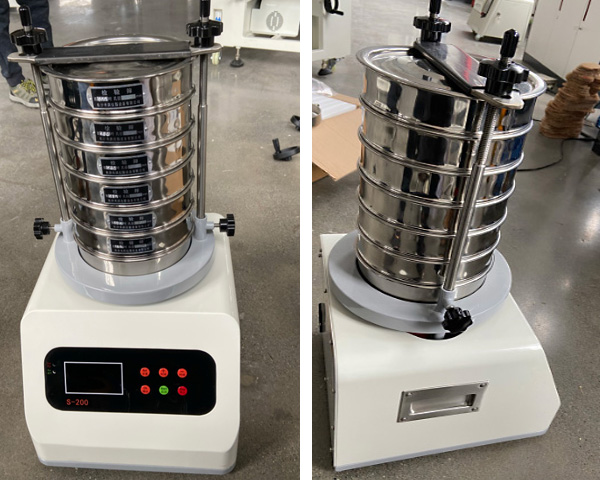
ZYLAB supplied a laboratory 7-layer sieve shaker with stainless steel test sieves to a leading research laboratory in Asia for accurate particle size analysis and material grading.
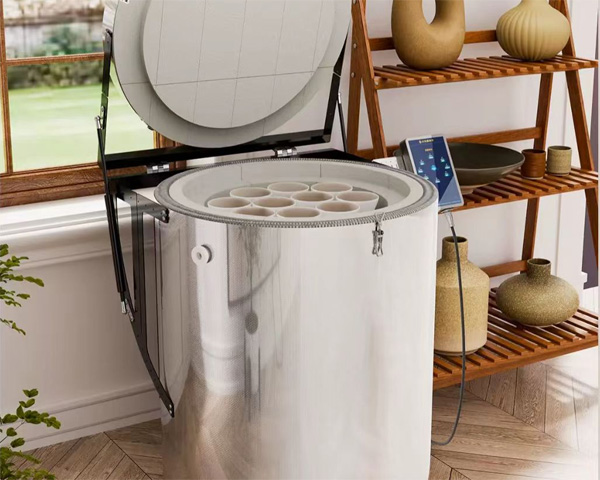
The customized 80L ceramic kiln successfully met the customer’s requirements for uniform heating, automatic temperature control, and practical chamber capacity. It provides an efficient and user-friendly firing solution for ceramic studios, pottery workshops, and small-scale ceramic production.
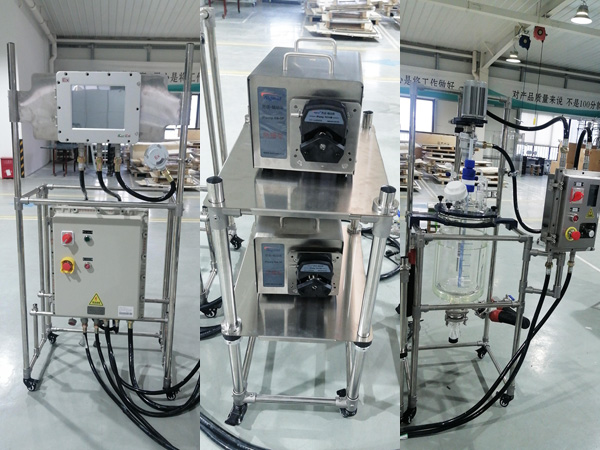
Based on the customer’s application requirements, ZYLAB developed a custom explosion-proof reactor system for exothermic reactions.
The system integrates two peristaltic pumps for controlled liquid feeding and a Siemens PLC control system for automated operation and process data recording. The complete system was customized to meet the customer’s specific R&D workflow and safety requirements.
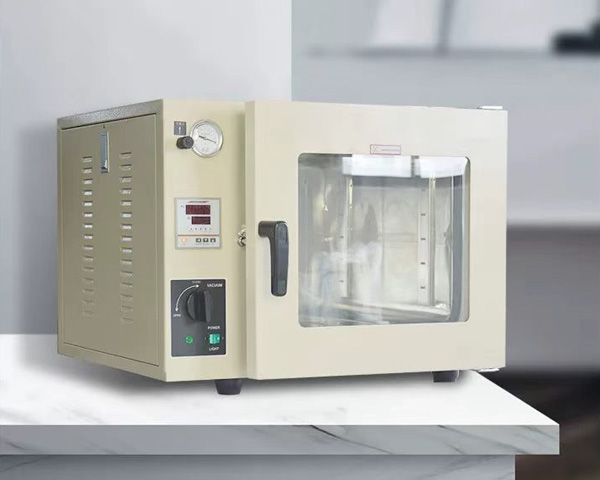
ZYLAB supplied a customized high-temperature drying oven to the R&D department of a well-known environmental engineering and sustainable energy company in Norway, successfully supporting their chemical drying applications during R&D testing and sustainable energy material development.