Can a Muffle Furnace Run Under Inert Gas Atmosphere? Understanding Gas Inlet Systems, Oxidation Control, and Vacuum Alternatives

Table of Contents

Introduction

In materials research and advanced manufacturing, controlling the thermal atmosphere is just as important as controlling temperature. Many researchers working in powder metallurgy, additive manufacturing, and ceramic processing often ask whether a muffle furnace can operate under inert gas conditions—and how it compares with vacuum furnace systems.

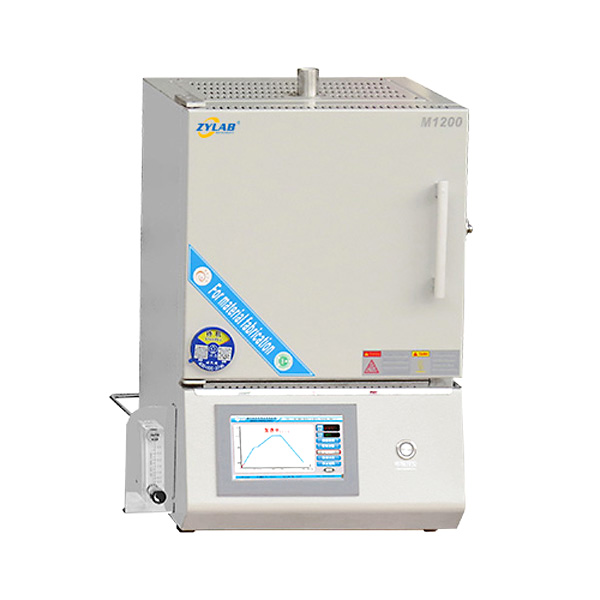
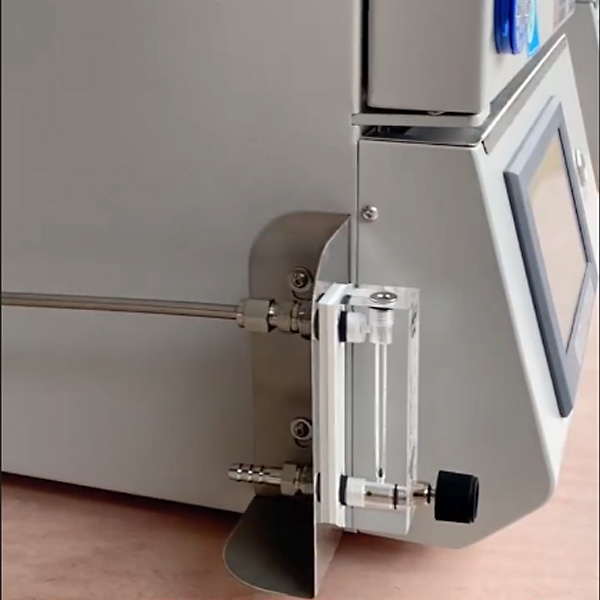
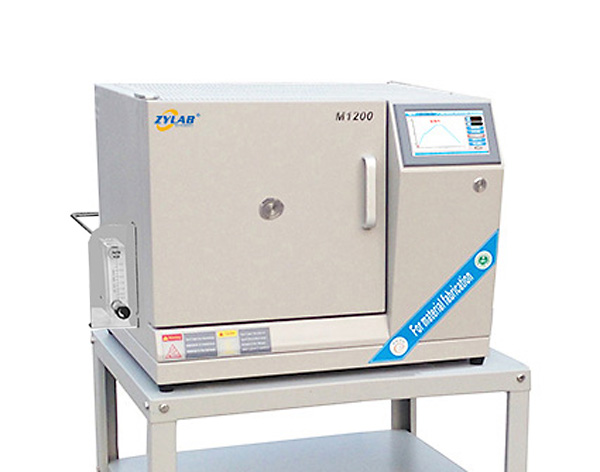
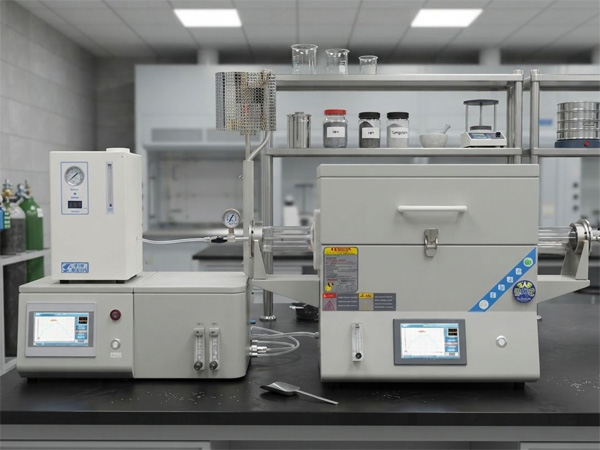
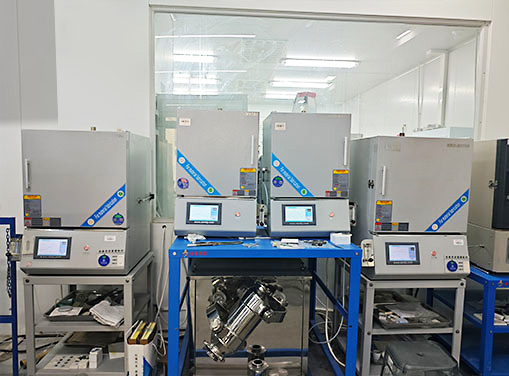
A muffle furnace with gas inlet system is a widely used solution for controlled atmosphere heat treatment at temperatures up to 1200°C. This article explains how it works, what gases can be used, and how it differs from vacuum furnace technology.

Can a Muffle Furnace Run Under Inert Gas Atmosphere?

Yes. A properly designed muffle furnace with a gas inlet system can operate under an inert or controlled atmosphere.

Unlike standard air furnaces, this type of system allows continuous or purged gas flow into the heating chamber, which helps:

  • Reduce oxygen concentration inside the furnace
  • Prevent oxidation of sensitive materials
  • Enable controlled thermal reactions
  • Improve repeatability in research experiments

However, it is important to note that a muffle furnace is typically not fully sealed like a vacuum furnace, so it is designed for positive pressure or flowing atmosphere conditions, rather than high vacuum environments.

What Gases Can Be Used in a Muffle Furnace with Gas Inlet System?

A gas inlet muffle furnace is compatible with several types of process gases depending on the application:

Common inert gases:

  • Argon (Ar)
  • Nitrogen (N₂)

These are most commonly used to create an oxygen-free environment and prevent oxidation.

Reducing gases (in some configurations):

  • Hydrogen (H₂) mixtures (H₂/N₂ forming gas)

Used for:

  • Metal oxide reduction
  • Surface treatment
  • Powder purification processes

Other process gases:

  • Argon-hydrogen mixtures
  • Special reactive gases (application-dependent)

The choice of gas depends on material type, temperature range, and safety requirements.

How Does Gas Flow Affect Oxidation During Heat Treatment?

Gas flow plays a critical role in controlling oxidation and material purity during high-temperature processing.

Key mechanisms:

1. Oxygen displacement
Continuous gas flow pushes oxygen out of the furnace chamber, reducing oxidation reactions.

2. Protective atmosphere formation
Inert gases create a non-reactive environment that shields materials from air exposure.

3. Pressure stabilization
A slight positive pressure prevents external air from entering the system.

4. Reaction control
Gas composition can influence chemical reactions, such as reduction or phase transformation.

What Is the Difference Between a Gas Inlet Furnace and a Vacuum Furnace?

Although both systems are used for controlled atmosphere processing, they operate on fundamentally different principles.

Gas Inlet Muffle Furnace

  • Works under flowing gas atmosphere
  • Uses inert or reducing gases
  • Maintains positive or near-atmospheric pressure
  • Suitable for general heat treatment and material research
  • Simpler and more cost-effective

Best for:

  • Powder heat treatment
  • Calcination
  • Metal oxidation prevention
  • Laboratory-scale research

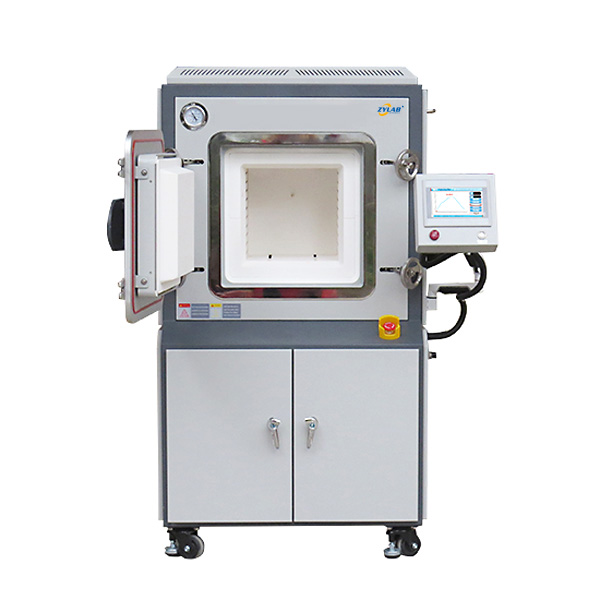
Vacuum Furnace

  • Operates under high or ultra-high vacuum
  • Removes gas molecules completely before heating
  • Requires vacuum pumps and sealed chamber design
  • Higher complexity and cost

Best for:

  • Ultra-clean processing
  • High-purity metal sintering
  • Semiconductor and aerospace materials
  • Processes sensitive to even trace oxygen

Key Difference Summary

  • Gas inlet furnace = controlled atmosphere (flowing gas environment)
  • Vacuum furnace = near-zero gas environment (vacuum state)

Each system serves different research and production requirements.

Conclusion

A muffle furnace with gas inlet system is a highly versatile solution for material research and thermal processing. It allows researchers to:

  • Perform heat treatment under inert atmosphere
  • Control oxidation effectively through gas flow
  • Process metal powders for additive manufacturing
  • Conduct flexible laboratory experiments

While it cannot fully replace a vacuum furnace, it provides a practical and cost-effective solution for a wide range of applications in materials science and engineering.

Get In Touch

Fill out the form below — free quote and professional suggestion will be sent for reference very soon!