The Role of Laboratory Molten Salt Furnaces in Novel Molten Salt System Development and High-Temperature Structural Material Compatibility Research

Table of Contents

Molten salt systems are increasingly important in advanced energy technologies, including thermal energy storage, high-temperature heat transfer systems, and next-generation nuclear reactors such as the Molten Salt Reactor (MSR).

As research moves toward higher operating temperatures and more chemically complex salt compositions—particularly chloride and fluoride systems—the need for precise, stable, and reliable high-temperature experimental platforms becomes critical.
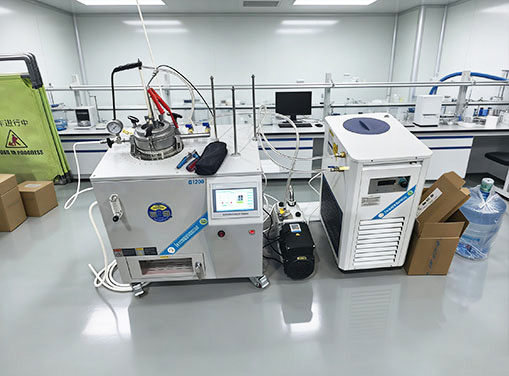
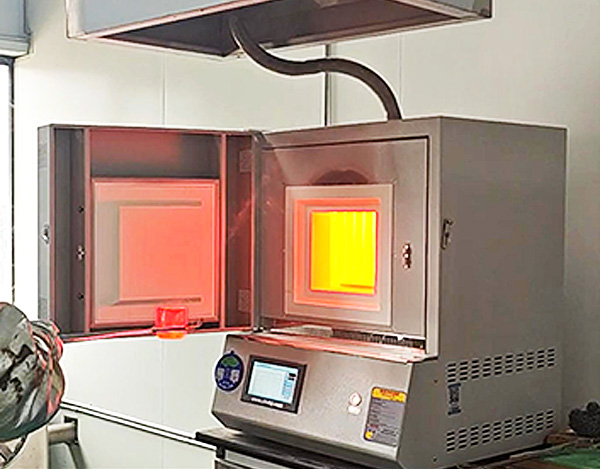
A laboratory molten salt furnace is not simply a heating device. It is a core research tool that enables controlled melting, long-term thermal stability evaluation, and systematic compatibility testing between molten salts and structural materials.

This article discusses the technical role of laboratory molten salt furnaces in molten salt system development and high-temperature material compatibility research.

Enabling Development of Novel Molten Salt Formulations

Controlled Melting and Phase Stability Evaluation

The first step in developing a new molten salt system is accurate determination of:

  • Melting temperature

  • Phase transition behavior

  • Homogeneity of salt mixtures

  • Thermal decomposition limits

A laboratory molten salt furnace provides:

  • Precisely controlled heating rates

  • Stable holding temperatures

  • Uniform thermal distribution

This controlled environment ensures accurate observation of melting behavior and prevents misleading data caused by temperature fluctuations.

High-Temperature Thermal Stability Testing

Many advanced molten salt systems operate between 600°C and 900°C. At these temperatures, salts may undergo:

  • Thermal decomposition

  • Component volatilization

  • Chemical transformation

Long-duration holding tests in a molten salt furnace allow researchers to evaluate:

  • Stability under continuous high-temperature exposure

  • Decomposition kinetics

  • Chemical durability

Such testing is essential for applications in thermal storage and high-temperature reactors.

Thermal Cycling and Aging Studies

In real engineering systems, molten salts experience thermal cycling during startup and shutdown phases. Laboratory molten salt furnaces enable programmable thermal cycling profiles, which help researchers:

  • Study phase stability during repeated heating and cooling

  • Identify crystallization risks

  • Evaluate long-term aging behavior

This data is critical for designing reliable molten salt systems.

Supporting High-Temperature Structural Material Compatibility Research

One of the most important roles of laboratory molten salt furnaces is enabling systematic material compatibility testing.

Molten salts—especially chloride and fluoride systems—can be highly corrosive at elevated temperatures. Understanding corrosion mechanisms is essential for safe and durable system design.

Controlled Corrosion Testing

Laboratory molten salt furnaces provide stable temperature environments necessary for immersion testing of materials such as:

  • Nickel-based alloys

  • Stainless steels

  • Refractory metals

  • Advanced ceramics

By maintaining constant temperature conditions over extended periods (100–1000+ hours), researchers can accurately evaluate:

  • Mass loss

  • Surface degradation

  • Corrosion layer formation

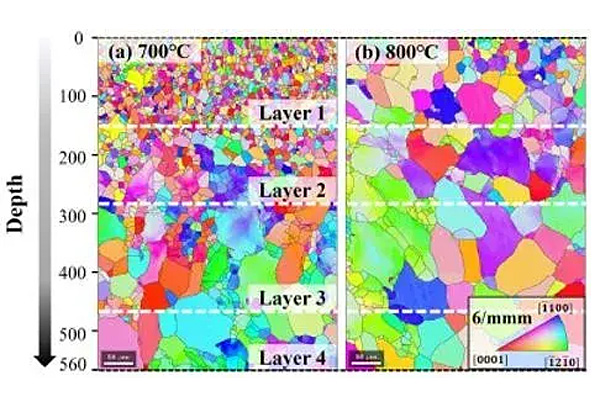
  • Microstructural changes

Precise temperature control ensures reproducibility and reliability of corrosion data.

Mechanism Investigation

Temperature stability is essential when investigating corrosion mechanisms, including:

  • Selective element dissolution

  • Intergranular corrosion

  • Diffusion-driven degradation

  • Oxidation-reduction reactions

Even minor temperature fluctuations can significantly affect reaction kinetics. A high-quality molten salt furnace ensures experimental consistency, enabling reliable mechanistic analysis.

Protective Coating Evaluation

Protective coatings are widely studied to improve corrosion resistance in molten salt environments.

Laboratory molten salt furnaces allow:

  • Exposure testing of ceramic and oxide coatings

  • Evaluation of coating integrity under thermal cycling

  • Comparison of coated and uncoated material performance

Stable and uniform heating ensures meaningful comparative results.

Simulating Real Operating Conditions

Molten salt systems in industrial or nuclear environments operate under:

  • Constant high temperatures

  • Long-term exposure

  • Controlled atmospheres

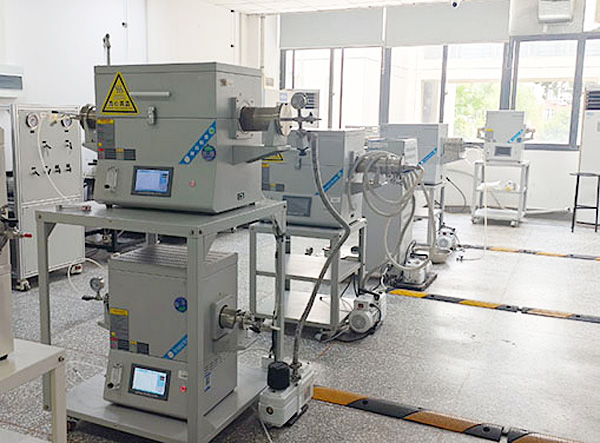
Laboratory molten salt furnaces allow simulation of such conditions in a controlled research environment.

Advanced furnace configurations may include:

  • Atmosphere control systems (inert or controlled gases)

  • Sealed chambers for reduced contamination

  • Programmable heating profiles

These capabilities make molten salt furnaces indispensable for realistic system validation.

Research Fields Benefiting from Laboratory Molten Salt Furnaces

Laboratory molten salt furnaces are widely used in:

  • Molten salt reactor research

  • Thermal energy storage material development

  • High-temperature corrosion studies

  • Electrochemical molten salt systems

  • Advanced structural material design

  • High-temperature heat transfer research

They are essential equipment in universities, national laboratories, and industrial R&D centers.

Equipment Considerations for Research Laboratories

When selecting a laboratory molten salt furnace, researchers typically evaluate:

  • Maximum operating temperature

  • Temperature control accuracy

  • Heating element configuration

  • Furnace chamber materials

  • Compatibility with crucibles

  • Atmosphere control options

  • Long-duration operational capability

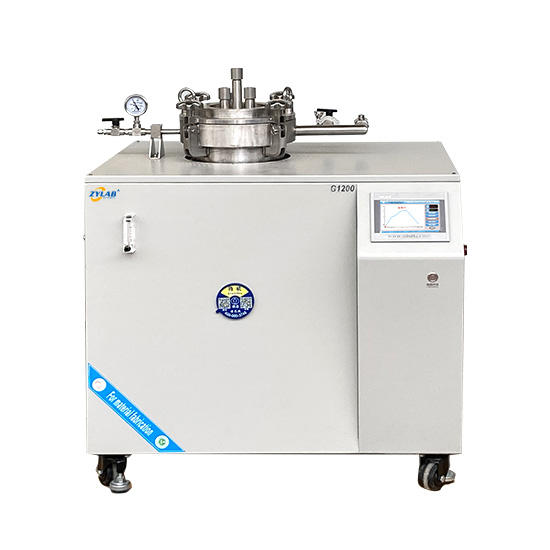
Manufacturers such as ZYLAB provide laboratory molten salt furnace systems designed to meet these research-oriented requirements, offering customizable configurations for advanced high-temperature studies.

Conclusion

Laboratory molten salt furnaces play a central role in advancing molten salt technology. They enable:

  • Accurate development of new molten salt formulations

  • Reliable thermal stability evaluation

  • Systematic high-temperature corrosion testing

  • Structural material compatibility analysis

  • Simulation of real operating environments

As molten salt systems continue to expand in energy, materials science, and high-temperature engineering applications, laboratory molten salt furnaces remain fundamental research tools for generating reliable and reproducible experimental data.

Get In Touch

Fill out the form below — free quote and professional suggestion will be sent for reference very soon!