Table of Contents
Biochar has gained increasing attention in agriculture, environmental remediation, and advanced material research due to its high carbon content, porous structure, and long-term stability. One of the most critical steps in producing high-quality biochar is pyrolysis under controlled conditions.
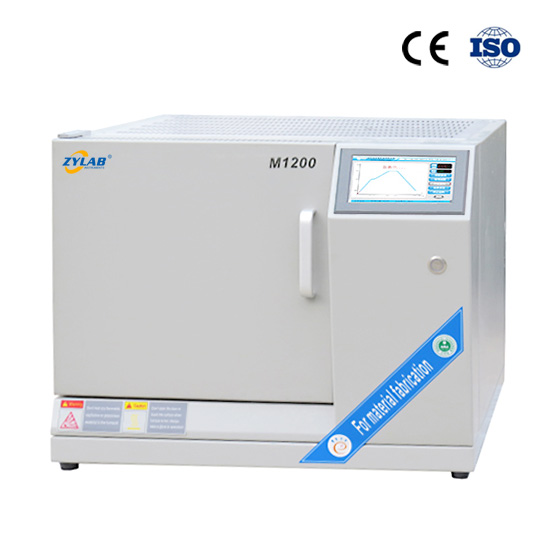
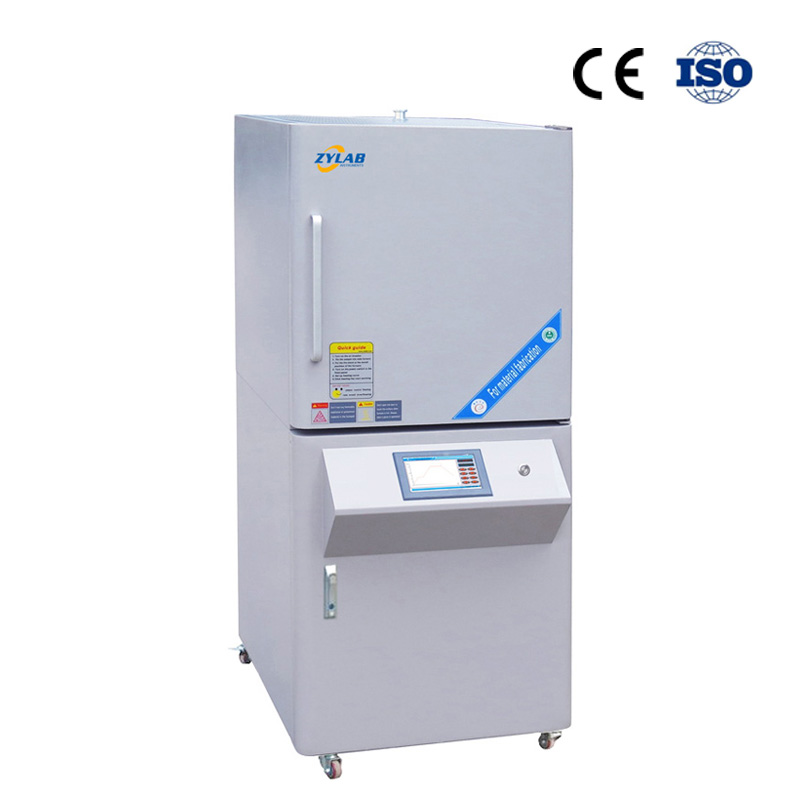
Among various laboratory-scale technologies, box furnace pyrolysis solutions offer a reliable, flexible, and repeatable method for biochar production.
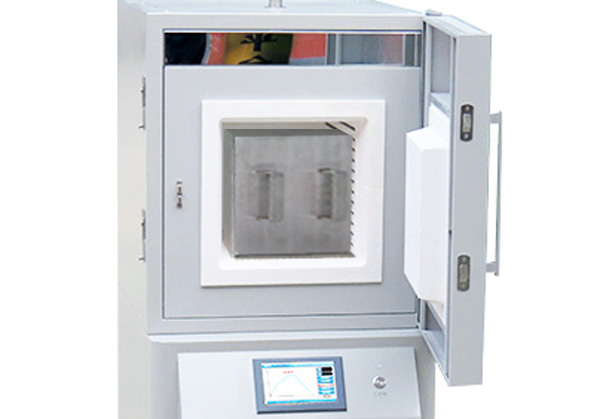
This article explains how box furnaces are used for biochar pyrolysis, why atmosphere control is essential, and how to optimize process parameters to achieve consistent, high-quality biochar.
What Is Biochar Pyrolysis?
Biochar pyrolysis is a thermochemical process in which biomass is heated to elevated temperatures in the absence of oxygen or under a controlled inert atmosphere. During pyrolysis:
-
Volatile components are released
-
Organic matter is converted into carbon-rich solid biochar
-
The internal pore structure of the material is formed
Typical pyrolysis temperatures for biochar range from 400°C to 800°C, depending on the feedstock and target application.
Why Use a Box Furnace for Biochar Pyrolysis?
Box furnaces are widely used in laboratories and pilot-scale facilities due to their temperature stability, precise control, and flexible configuration.
Key Advantages of Box Furnaces
-
Uniform temperature distribution
-
Accurate PID temperature control
-
Wide temperature range for biomass pyrolysis
-
Suitable for batch processing and experimental research
However, a standard box furnace operating in ambient air is not sufficient for biochar production. Oxygen exposure at high temperatures can lead to combustion, oxidation, and reduced carbon yield.
This is where a box furnace pyrolysis solution with atmosphere control becomes essential.
Importance of Atmosphere Control in Biochar Production
Oxygen-Free Environment Is Critical
At elevated temperatures, even trace amounts of oxygen can:
-
Burn carbon instead of forming biochar
-
Reduce biochar yield
-
Alter pore structure and surface chemistry
By introducing an inert gas such as nitrogen (N₂) or argon (Ar) into the furnace chamber, oxidation can be effectively prevented.
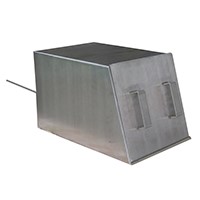
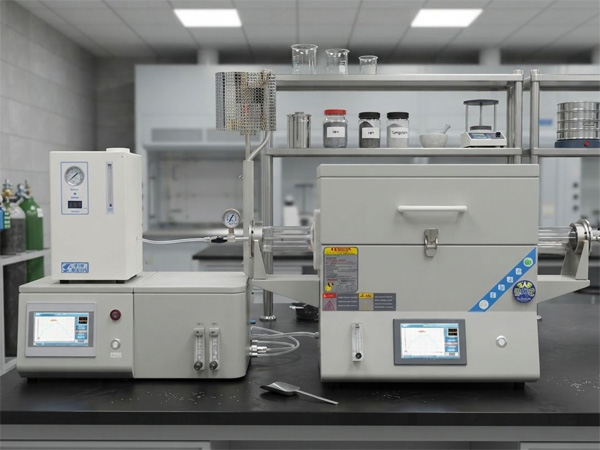
Box Furnace Pyrolysis Solution with Protective Gas Box
A complete box furnace pyrolysis solution typically consists of:
-
A sealed protective gas box
- Controlled inert gas inlet and outlet
The protective gas box creates a low-oxygen environment inside the furnace chamber throughout the heating, holding, and cooling stages.
Benefits of Using a Protective Gas Box
-
Stable inert atmosphere during pyrolysis
-
Improved biochar yield and consistency
-
Reduced risk of oxidation during cooling
-
Cost-effective alternative to vacuum furnaces
This configuration is particularly suitable for laboratory research, material development, and pilot-scale biochar production.
Key Process Parameters for High-Quality Biochar
Another common search intent is understanding how process parameters affect biochar quality.
1. Pyrolysis Temperature
-
400–500°C: Higher yield, more functional groups
-
600–800°C: Higher carbon content, increased porosity
2. Heating Rate
-
Slow heating promotes uniform carbonization
-
Rapid heating may cause uneven structure or cracking
3. Atmosphere Composition
-
Nitrogen is commonly used for cost efficiency
-
Argon offers higher purity for sensitive research
4. Holding Time
-
Longer dwell times improve carbon stability
-
Excessive time may reduce yield without significant benefit
A box furnace with atmosphere control allows precise adjustment of all these parameters.
Typical Applications of Box Furnace Biochar Pyrolysis
Box furnace pyrolysis solutions are widely used in:
-
Biochar research and development
-
Biomass conversion studies
-
Agricultural soil amendment research
-
Carbon sequestration experiments
-
Energy and environmental material development
Both universities and industrial R&D laboratories rely on box furnaces for reproducible biochar experiments.
Conclusion
A box furnace pyrolysis solution for high-quality biochar production provides a reliable and scalable approach to producing consistent biochar under controlled conditions. By combining precise temperature control with inert atmosphere protection, box furnaces enable researchers and engineers to optimize biochar properties for a wide range of applications.
For anyone searching for a laboratory or pilot-scale biochar pyrolysis solution, box furnaces with protective gas systems remain one of the most practical and widely adopted technologies.
Get In Touch
Fill out the form below — free quote and professional suggestion will be sent for reference very soon!