Powder Metallurgy Part 4 — Sintering: From Fragile to Dense

Table of Contents

Sintering is one of the most critical stages in the powder metallurgy (PM) process. It transforms the fragile, porous “green compact” formed during the shaping stage into a dense, mechanically strong metal component.

Sintering - From Fragile to Dense

During sintering, particles bond together through atomic diffusion, driven by temperature and sometimes assisted by pressure or a reactive atmosphere. The result is the formation of a solid metallic structure with improved strength, dimensional stability, and desired microstructure.

Fundamentals of Sintering

Definition

Sintering is a thermal treatment process where compacted metal powders are heated below their melting points, allowing particle bonding and densification through diffusion mechanisms.

Objectives of Sintering

  • Achieve metallurgical bonding between particles.

  • Eliminate or reduce internal porosity.

  • Enhance mechanical strength and thermal conductivity.

  • Control microstructure and grain size.

  • Attain dimensional accuracy and stability.

Mechanisms of Sintering

Sintering is governed by several diffusion-driven processes that occur between adjacent powder particles:

  1. Surface Diffusion: Atoms migrate along the particle surface, forming necks between particles (no densification).

  2. Grain Boundary Diffusion: Atoms move along grain boundaries, increasing neck growth and reducing porosity.

  3. Lattice (Volume) Diffusion: Atoms diffuse through the bulk material, leading to significant densification.

  4. Vapor Transport: Atoms evaporate from high-energy sites and condense on low-energy surfaces.

These mechanisms collectively determine the rate and extent of densification and microstructural evolution during sintering.

Stages of the Sintering Process

Sintering typically proceeds through three main stages:

Stage 1 — Initial Sintering

  • Neck formation between particles begins.

  • Rapid reduction in surface area; minimal densification.

Stage 2 — Intermediate Sintering

  • Neck growth and pore shrinkage continue.

  • Significant densification (up to 90–95% of theoretical density).

Stage 3 — Final Sintering

  • Grain growth becomes dominant.

  • Closed pores coarsen and may be trapped within grains.

  • Densification approaches completion, reaching 95–99%.

Types of Sintering in Powder Metallurgy

Solid-State Sintering

  • The most common PM sintering type.

  • Particles bond without melting, relying on diffusion.

  • Suitable for alloys with high melting points (e.g., iron, tungsten).

Liquid-Phase Sintering

  • A minor liquid phase forms during sintering, enhancing diffusion and densification.

  • Commonly used for cemented carbides (e.g., WC-Co).

Activated Sintering

  • Addition of small amounts of a second element accelerates diffusion and reduces sintering temperature.

  • Example: Nickel activation in tungsten sintering.

Pressure-Assisted Sintering

  • Combines heat and pressure to enhance densification:

    • Hot Pressing (HP)

    • Hot Isostatic Pressing (HIP)

    • Spark Plasma Sintering (SPS)

These methods achieve near-theoretical densities and refined microstructures.

Factors Influencing Sintering Behavior

Several process parameters influence the quality and characteristics of the sintered part:

Parameter Description Effect
Temperature Typically 70–90% of the melting point (in Kelvin) Controls diffusion rate and grain growth
Time Duration of heat treatment Longer times promote densification but may cause grain coarsening
Atmosphere Vacuum, inert gas, reducing gas (H₂, N₂, Ar) Prevents oxidation, enables controlled reactions
Heating Rate Rapid heating may cause uneven shrinkage Controlled heating ensures uniform temperature distribution
Powder Properties Size, shape, composition Affect diffusion path length and sintering kinetics

Microstructural Evolution

During sintering, the microstructure evolves through:

  • Neck Formation: Initial contact regions grow between particles.

  • Pore Shrinkage: Open porosity converts to closed porosity.

  • Grain Growth: Adjacent grains merge, reducing boundary energy.

  • Densification: Pores are eliminated, leading to a stable, dense structure.

The final properties—such as hardness, tensile strength, and ductility—depend heavily on this microstructural development.

Sintering Equipment and Control

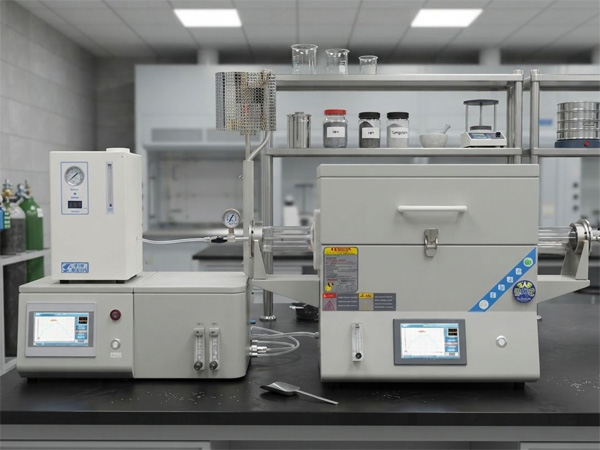
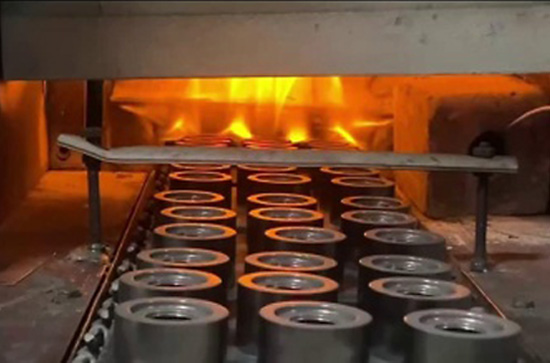
Modern sintering furnaces are equipped with precise temperature and atmosphere control systems to achieve repeatable, high-quality results.

Common Furnace Types:

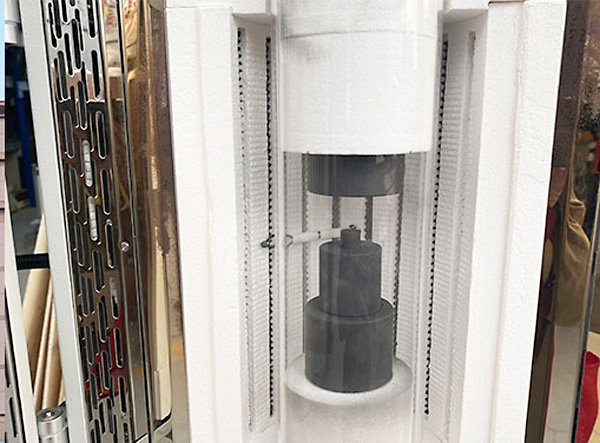
  • Vacuum Sintering Furnace – Ideal for reactive or high-purity materials.

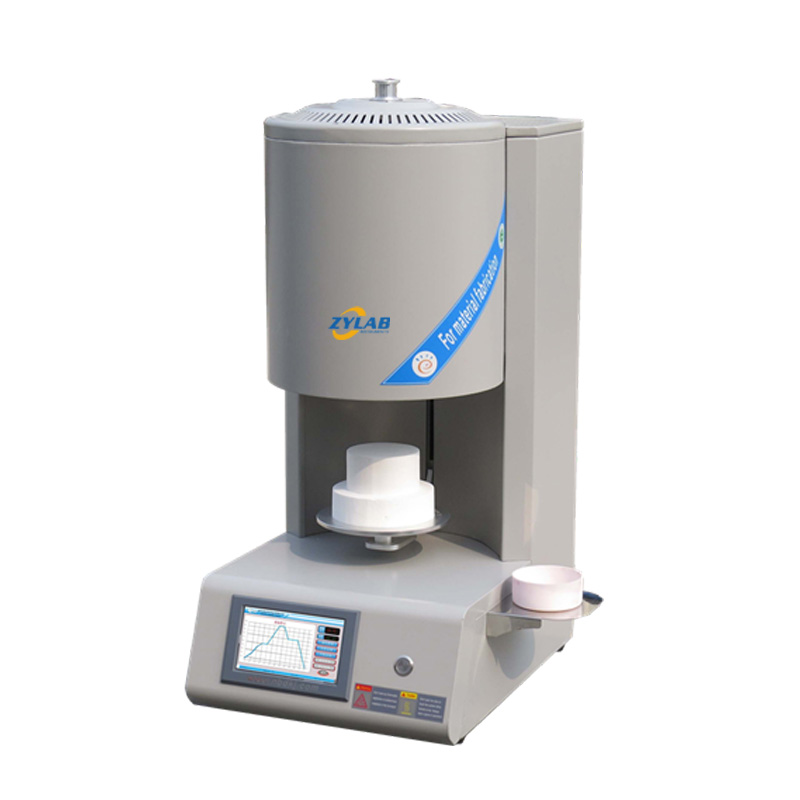
Small Bottom Loading Furnace (2)
Small Bottom Loading Sintering Furnace
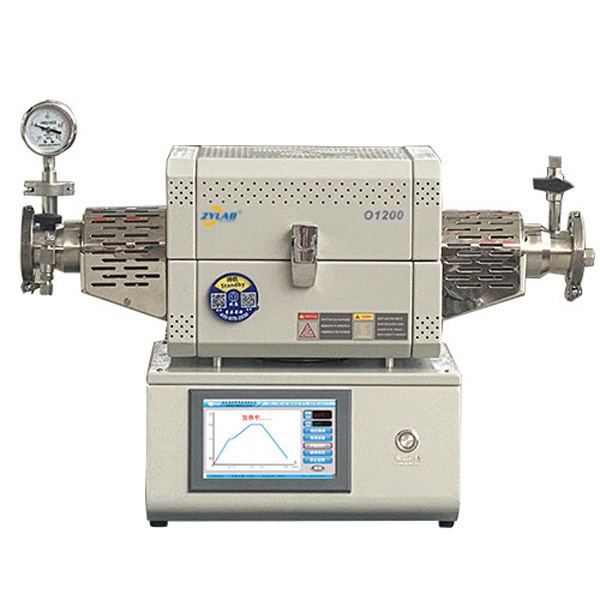
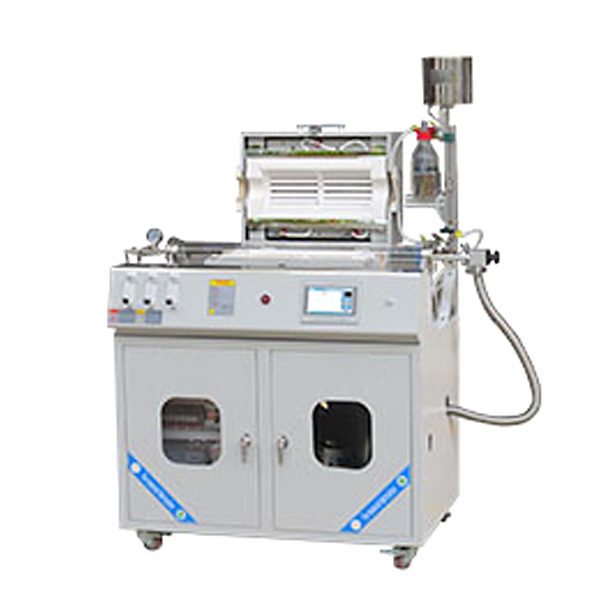
Mini Stirring Sintering Furnace
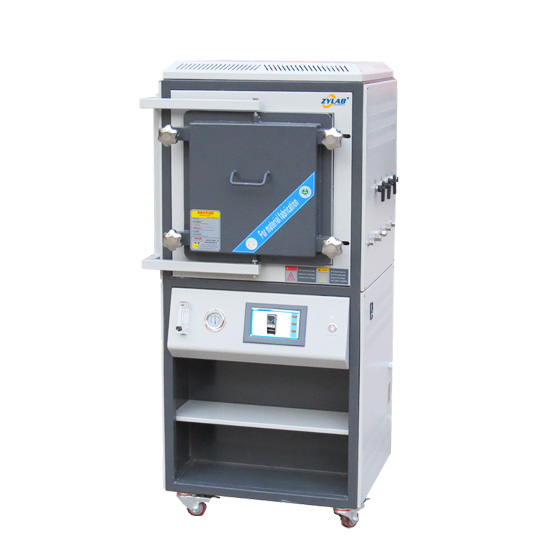
Vacuum Sintering Furnace
3D Printing Vacuum Sintering Furnace
  • Hydrogen or Inert Gas Furnace – Reducing or protective environment.

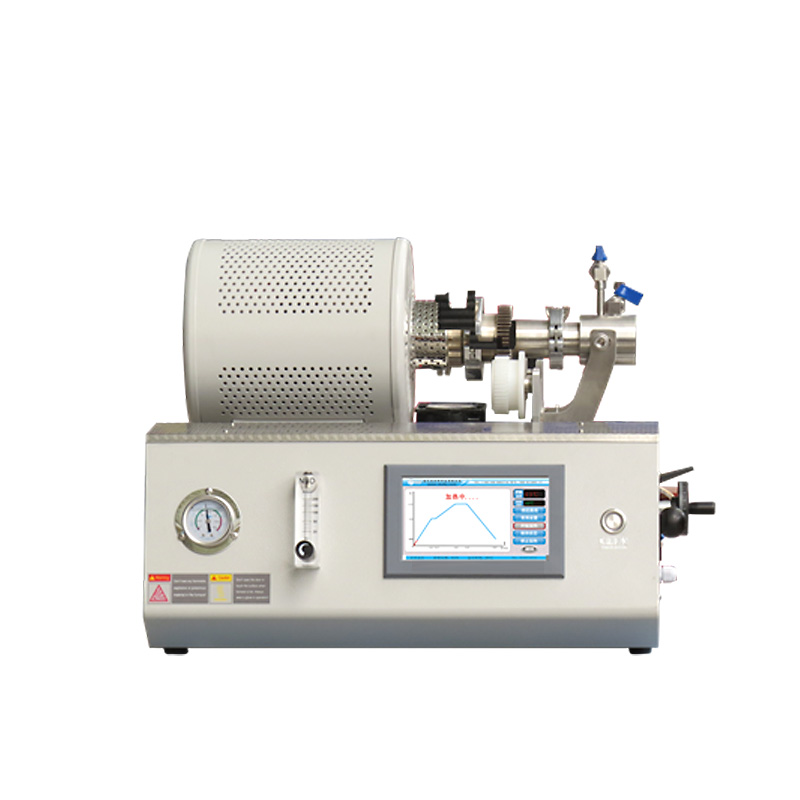
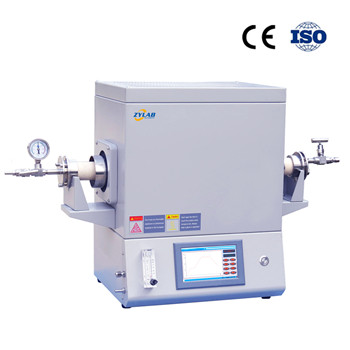
Compact Benchtop Tube Furnace
Hydrogen Reduction Sintering Furnace(02)
Hydrogen Reduction Sintering Furnace
Lab Sintering Furnace 1600°C
  • Hot Pressing Furnace – Combines heat and pressure for faster densification.

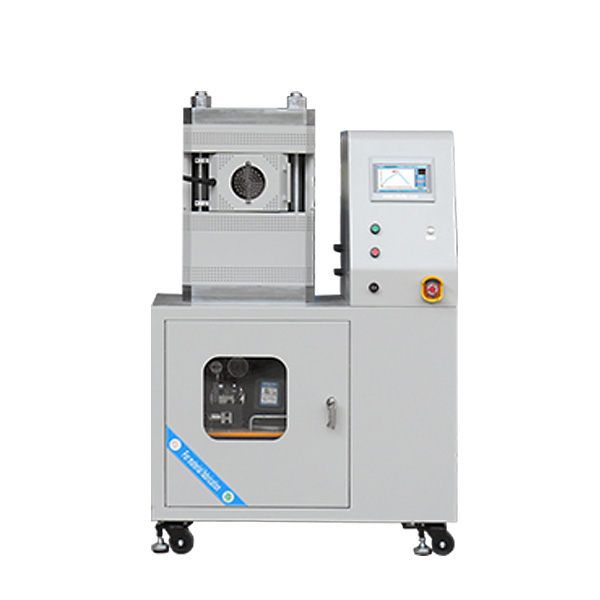
Hot Press Furnace
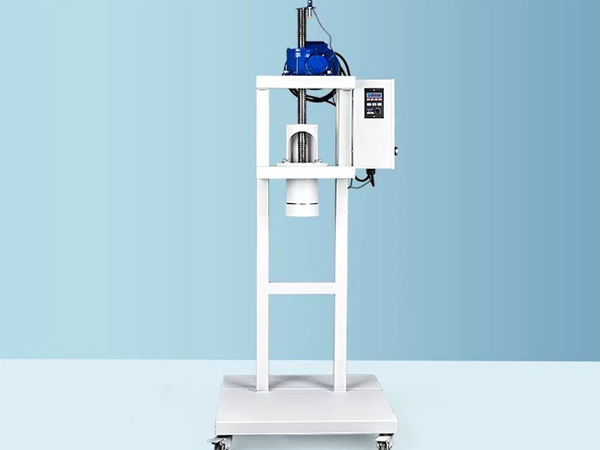
Detachable Hot Press Furnace

Advanced systems often employ multi-zone temperature control, gas flow regulation, and programmable sintering profiles to ensure uniform thermal distribution and stable performance.

Applications of Sintered Components

Sintering enables the production of high-performance parts used in:

  • Automotive: Gears, bearings, valve seats.

  • Aerospace: Turbine blades, high-temperature alloys.

  • Electronics: Magnetic cores, contacts, sensors.

  • Medical: Implants, dental prosthetics.

  • Energy: Fuel cells, filtration materials.

Summary

Sintering is the defining step of powder metallurgy, where physical compaction transforms into metallurgical bonding. Through precise control of temperature, atmosphere, and time, engineers can tailor density, microstructure, and mechanical performance to meet demanding industrial standards.
Get In Touch

Fill out the form below — free quote and professional suggestion will be sent for reference very soon!