Table of Contents
Introduction
Powder preparation is a fundamental step in materials science, metallurgy, ceramics, and additive manufacturing. The properties of the final product—whether it is a sintered ceramic, a metallic component, or a composite material—largely depend on the characteristics of the powders used. In this first part of our Powder Preparation Series, we will focus on one of the most widely applied approaches: the mechanical milling (mechanical pulverization) method.
Mechanical milling is a solid-state process that uses mechanical energy to break down bulk materials into fine powders. It is cost-effective, scalable, and versatile, making it an essential technique for producing powders in both laboratory research and industrial-scale applications.
What Is Mechanical Milling?
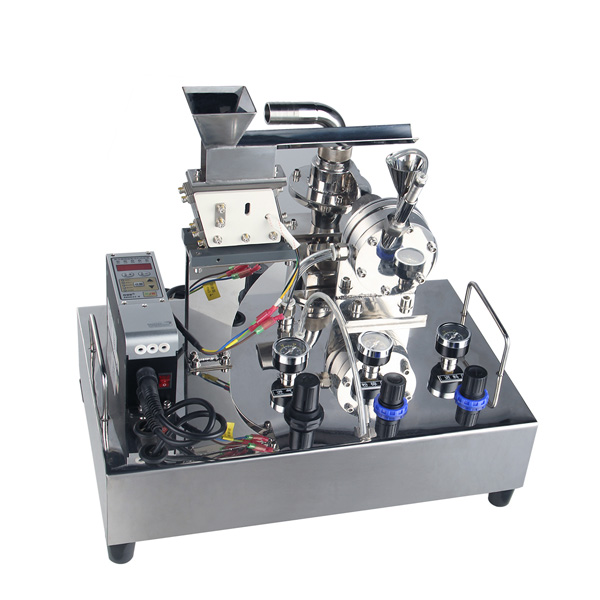
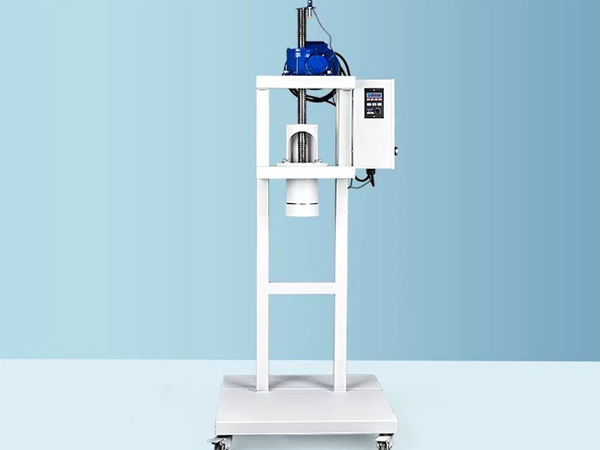
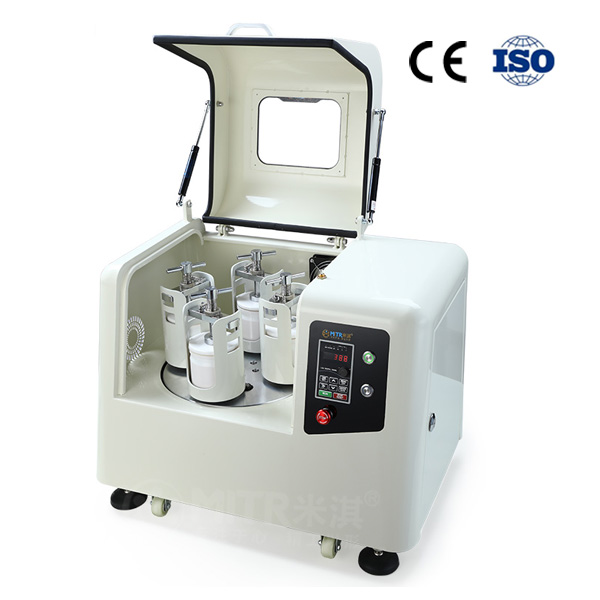
Mechanical milling, also referred to as mechanical pulverization or ball milling, is a size-reduction technique in which raw materials are subjected to high-energy impact, shear, and compression forces. These forces are typically generated by rotating or vibrating milling equipment such as:
-
Ball mills (planetary or attritor mills)
-
Hammer mills
-
Roller mills
The primary goal is to reduce particle size, but the method also introduces structural changes such as defect formation, lattice strain, and in some cases, amorphization.
Principles of Mechanical Milling
The efficiency of mechanical milling depends on several factors:
-
Impact Energy – Controlled by rotation speed, ball-to-powder ratio, and milling time.
-
Milling Atmosphere – Inert gases (argon, nitrogen) may be used to avoid oxidation or contamination.
-
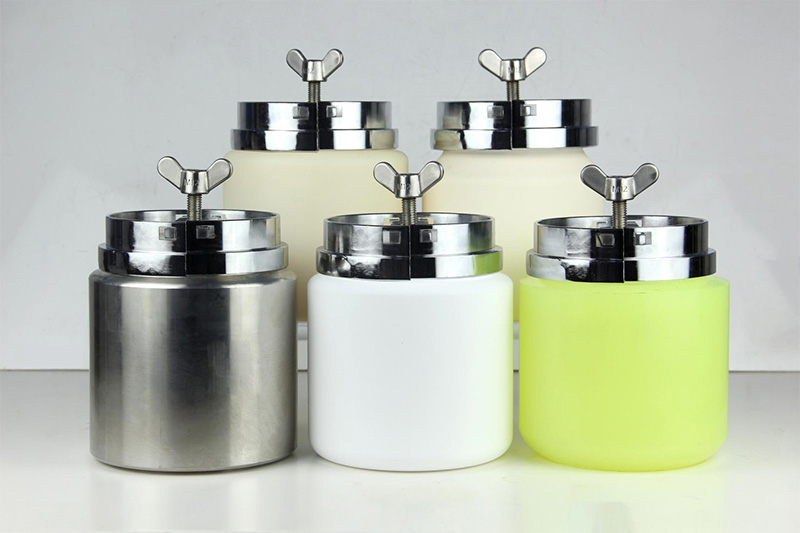
Milling Media – Choice of balls or jars (steel, tungsten carbide, zirconia, alumina) influences contamination level and milling efficiency.
-
Temperature Control – High-energy milling can generate heat, which may alter powder properties.
During milling, the repeated deformation, cold welding, and fracturing of particles lead to size reduction and homogeneity.
Advantages of Mechanical Milling
-
Scalability – From small laboratory batches to industrial production.
-
Cost-effectiveness – Simple equipment and relatively low operational costs.
-
Versatility – Applicable to metals, ceramics, polymers, and composites.
-
Enhanced Reactivity – Fine powders with large surface areas promote chemical reactions and sintering.
-
Alloying Capability – Mechanical alloying enables synthesis of non-equilibrium phases, solid solutions, and nanostructured materials.
Applications of Mechanical Milling Powders
-
Ceramics and Refractories – Fine powders for high-temperature sintering.
-
Metallurgy – Alloy powders for powder metallurgy and additive manufacturing.
-
Nanomaterials – Production of nanocrystalline structures with enhanced properties.
-
Catalysts – Powders with high surface area for improved catalytic activity.
-
Battery Materials – Preparation of active electrode materials for Li-ion and solid-state batteries.
Conclusion
The mechanical milling method remains a cornerstone in powder production due to its simplicity, cost-effectiveness, and adaptability. While it has certain limitations such as contamination and energy requirements, continuous improvements in milling equipment and process control have significantly expanded its capabilities.
As research into advanced materials continues, mechanical milling will remain indispensable for producing powders with tailored properties for ceramics, metallurgy, energy storage, and nanotechnology.
Get In Touch
Fill out the form below — free quote and professional suggestion will be sent for reference very soon!