Heat Treatment Part 6: Conventional vs Vacuum Heat Treatment and Furnace Differences

Table of Contents

Heat treatment is a critical process in metalworking and materials engineering, used to enhance hardness, toughness, and durability of metals and alloys. While conventional heat treatment is widely applied in industries, vacuum heat treatment has become essential for high-precision and high-performance applications. This article explores the differences between conventional and vacuum heat treatment, including furnace types, process methods, and practical considerations.

Conventional Heat Treatment

Overview:

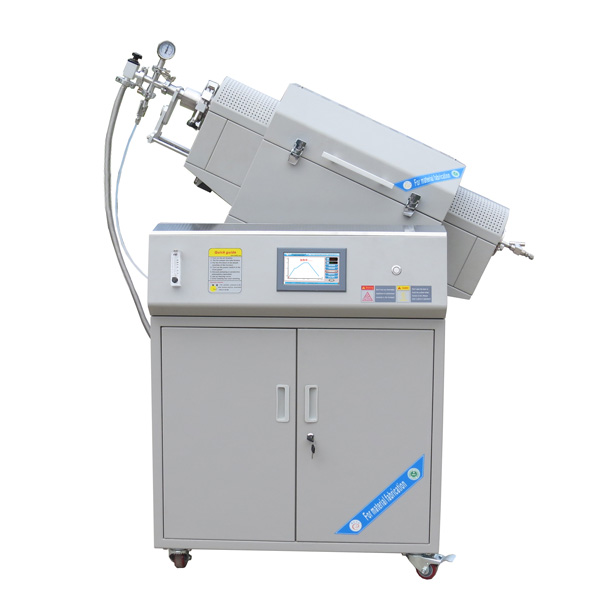
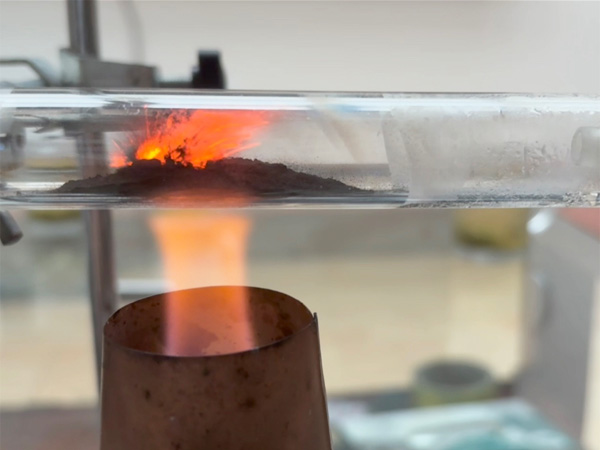
Conventional heat treatment is performed in furnaces with air or protective gases. It includes processes such as:

  • Annealing: Softens metal and relieves internal stress.

  • Quenching: Rapid cooling to increase hardness.

  • Tempering: Reduces brittleness after quenching while maintaining hardness.

Key Characteristics:

  • Performed in air or gas furnaces.

  • Moderate heating and cooling rates; temperature uniformity may vary.

  • Surface oxidation, scaling, or decarburization can occur.

  • Suitable for a wide range of metals, including structural steels and general alloys.

Vacuum Heat Treatment

Overview:

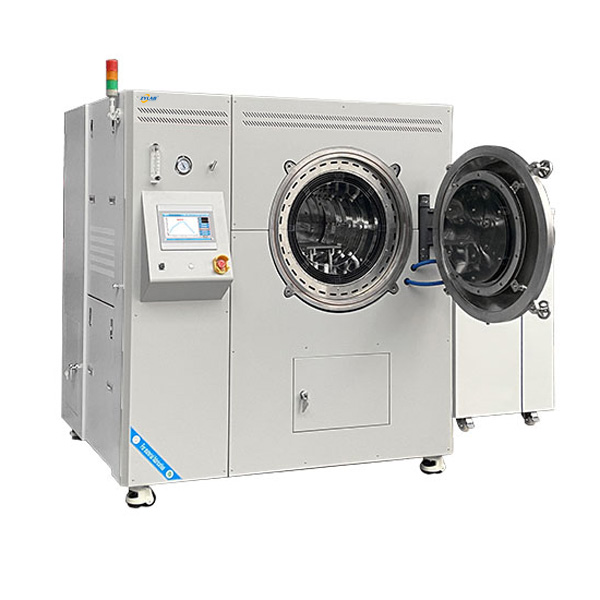
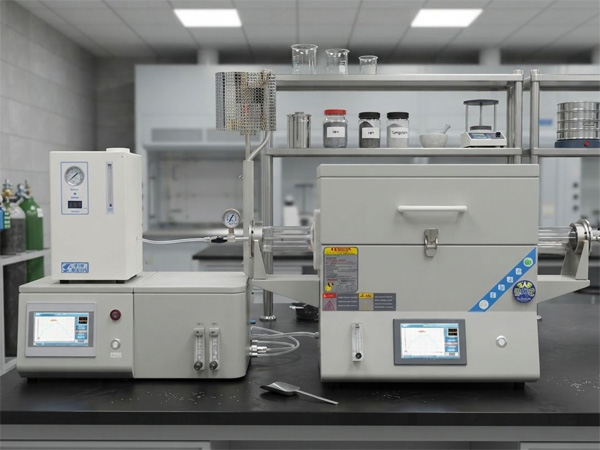
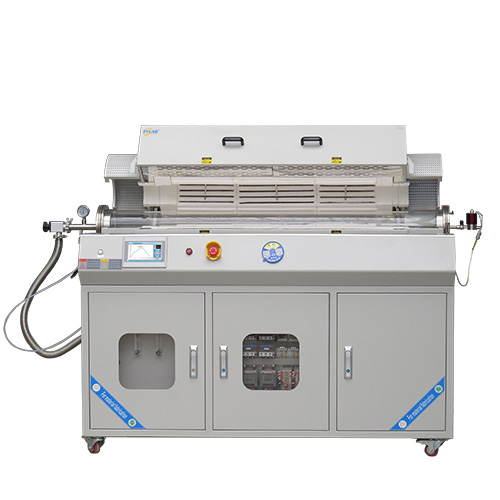
Vacuum heat treatment is conducted in a vacuum furnace where air and other gases are removed. This prevents oxidation and contamination and allows precise control over temperature and material properties.

Key Characteristics:

  • Performed in vacuum furnaces at pressures often below 10⁻² mbar.

  • Eliminates surface oxidation, scaling, and decarburization.

  • Highly uniform heating and precise temperature control.

  • Ideal for high-alloy steels, aerospace components, medical instruments, and precision parts.

Differences Between Conventional and Vacuum Heat Treatment

Aspect Conventional Heat Treatment Vacuum Heat Treatment
Atmosphere Air or protective gas High vacuum (low-pressure environment)
Surface Quality Oxidation, scaling, decarburization possible Clean, oxidation-free, and precise surface finish
Temperature Control Moderate uniformity High uniformity, precise control
Cooling Options Air, water, oil Gas quenching (argon, nitrogen) for uniform cooling
Applications General industry, structural metals Aerospace, high-tech, medical, precision alloys
Cost & Complexity Lower cost, simpler equipment Higher cost, advanced furnace design

Choosing Between Conventional and Vacuum Heat Treatment

  • Conventional heat treatment is cost-effective for standard industrial parts where surface finish is less critical.

  • Vacuum heat treatment is essential for high-performance or precision components, where surface quality, uniformity, and exact mechanical properties matter.

Furnace Selection Considerations

When selecting a heat treatment furnace, consider:

  • Material Type: High-alloy steels and precision alloys benefit from vacuum furnaces.

  • Component Size: Large parts may require conventional furnaces with higher capacity.

  • Surface Finish Requirements: Vacuum furnaces prevent oxidation and scaling.

  • Production Volume and Cost: Conventional furnaces are simpler and more economical for large-scale production.

Conclusion

Conventional and vacuum heat treatment serve different industrial needs. Conventional furnaces are suitable for general-purpose applications, while vacuum furnaces provide superior control and surface quality for high-tech and precision components.

Understanding the differences between furnace types and heat treatment methods is essential for engineers, metallurgists, and industrial professionals to achieve optimal performance and reliability.

Get In Touch

Fill out the form below — free quote and professional suggestion will be sent for reference very soon!