What is a Chamber Furnace? Applications, Features, and Selection Guide

Table of Contents

In materials research, analytical chemistry, and advanced manufacturing, the chamber furnace (also known as a box furnace) plays a critical role in enabling high-precision heat treatment under clean and stable conditions. Whether it’s for ashing, sintering, annealing, or thermal decomposition, this equipment is indispensable in both academic laboratories and industrial settings.

This article explores what a chamber furnace is, where and how it’s used, its defining features, and how to choose the right furnace for your application.
What is a Chamber Furnace?

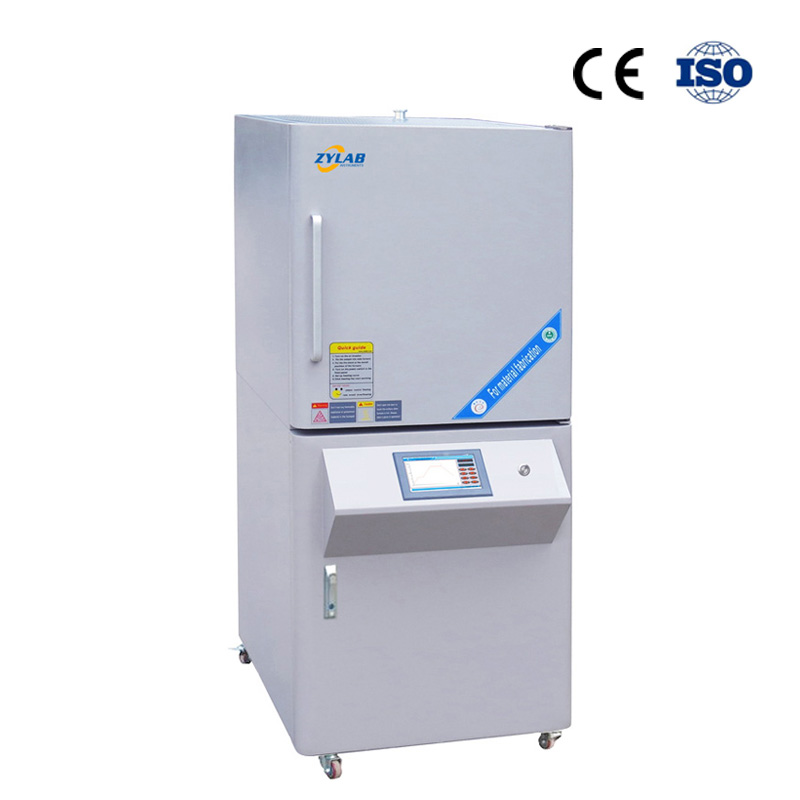
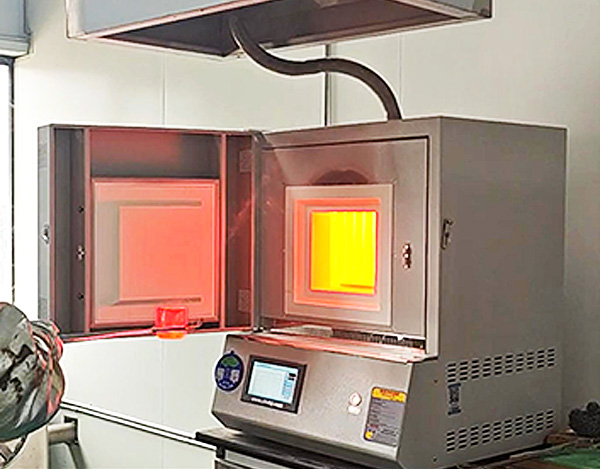
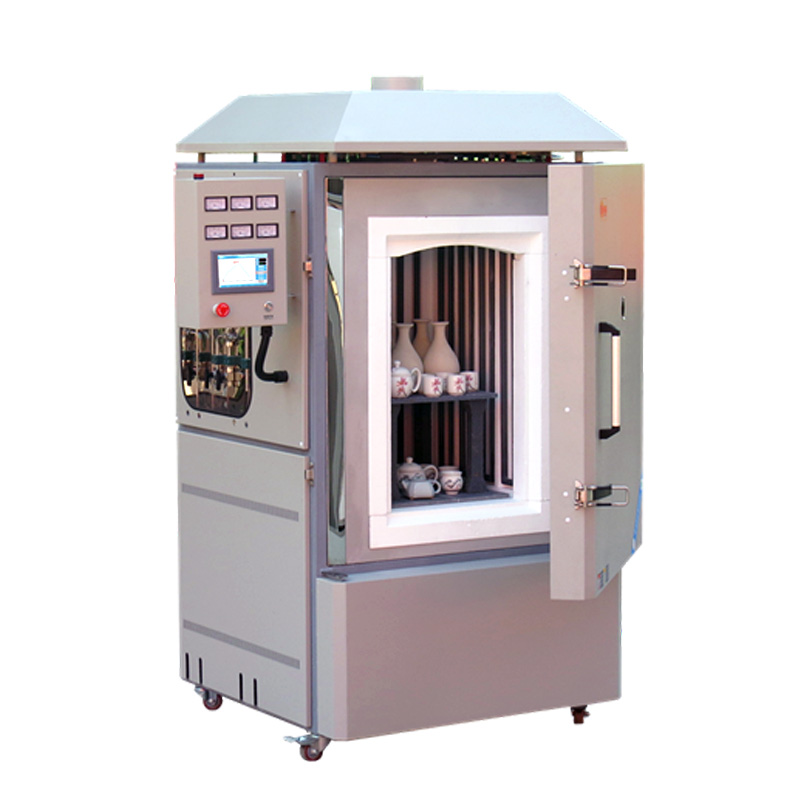
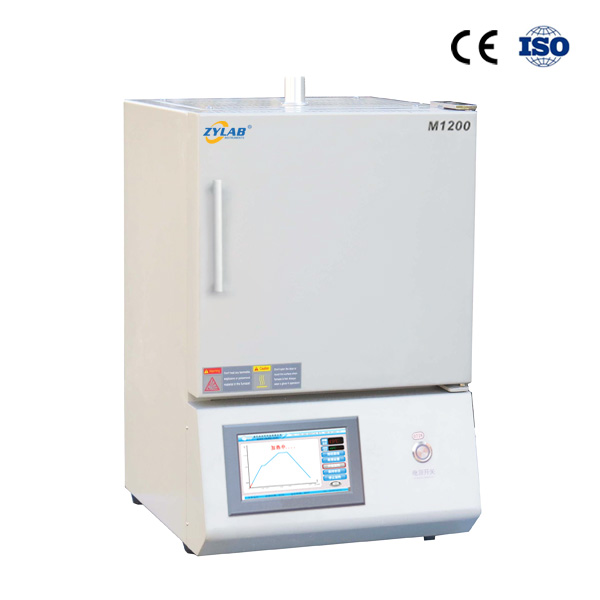
A chamber furnace is a high-temperature heating system used to process materials in a fully enclosed and insulated chamber. Unlike traditional open-hearth or tube-type furnaces, a chamber furnace features an isolated rectangular heating chamber with internal insulation and heating elements embedded in the walls.

Key Benefits

  • Prevents contamination from open flames or material off-gassing
  • Offers uniform temperature distribution across the sample space
  • Provides a clean, programmable, and enclosed heating environment
Typical operating temperatures range from 1100°C to 1700°C, with many models offering PID-controlled temperature profiles, safety features, and optional inert gas or vacuum configurations.

Key Applications of Chamber Furnaces

Chamber furnaces are used globally in sectors ranging from scientific research to advanced ceramics. Typical applications include:

  •  Ash Content Determination
    In industries like plastics, rubber, food processing, and petrochemicals, chamber furnaces are essential for determining the inorganic residue (ash content) left after burning off volatile components.
  • Ceramic and Metal Sintering
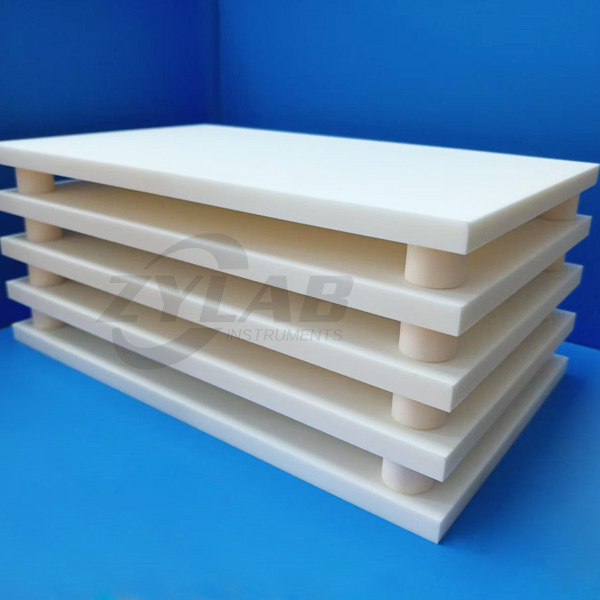
    Advanced ceramics, metal powders, dental prosthetics, and 3D-printed parts are sintered at high temperatures in box furnaces to enhance density and mechanical strength.
  • Thermal Processing in R&D
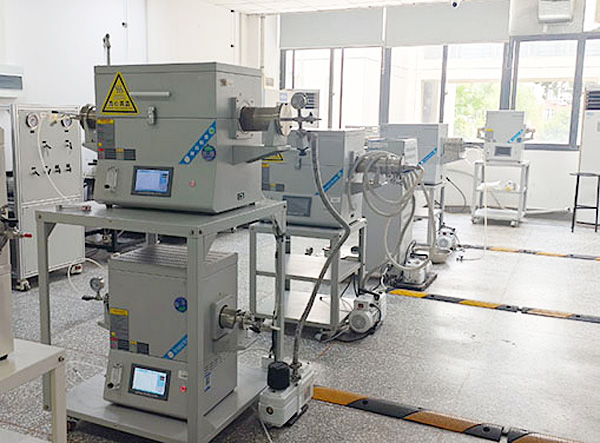
    Ideal for calcination, annealing, and phase transformation in material science research (e.g., catalyst development, superconductors, battery electrodes, and nanomaterials).
  • Heat Treatment of Metals
    Small metal components often undergo annealing, stress-relieving, or tempering using compact chamber furnaces in mechanical workshops or prototyping labs.
  • Loss on Ignition (LOI) Testing
    In analytical labs, LOI tests performed in chamber furnaces help determine volatile content or thermal stability in samples like soils, cement, and biomass.
  • Post-Processing of Additive Manufacturing
    For ceramic or metal 3D printing, parts must be cured or sintered post-print to achieve desired microstructure and performance. Chamber furnaces ensure complete densification.
  • Pharmaceutical and Biotech Research
    Used in bioceramic development, thermal degradation, and sterilization studies, chamber furnaces are valuable tools in life sciences.

Key Features of Modern Chamber Furnaces

When evaluating a chamber furnace, consider these core technical features:

1. Temperature Range

  • 1100°C to 1200°C: Ideal for LOI, ashing, or low-temp treatments
  • 1300°C to 1500°C: Suitable for sintering ceramics and thermal cycling
  • 1600°C to 1700°C: Required for high-performance materials and optical ceramics

2. Heating Element Options

  • NiCr wire (≤1200°C): Reliable and economical for standard heating
  • SiC rods (≤1500°C): Good for oxidizing atmospheres and intermediate heating
  • MoSi₂ rods (≤1700°C): Best for ultra-high temperature, stable long-term use

3. Chamber Design & Volume

  • Small models (1–5L): Tabletop or benchtop use
  • Medium (6–20L): For batch testing or pilot studies
  • Large-scale (20L–640L): Industrial production, large part treatment
  • ZYLAB’s lining materials include vacuum-formed alumina ceramic fiber for minimal heat loss and long lifespan.

4. Control System

  • Digital PID Controllers: Precision control with ±1°C accuracy
  • Programmable Controllers: Multi-step heating with ramp/soak profiles
  • Optional: RS485, USB, or remote monitoring capabilities

5. Safety Features

  • Over-temperature protection
  • Door-interlock switches
  • Electrical fault detection
  • Emergency power cut-off mechanisms

6. Atmosphere Options

  • Standard air operation
  • Inert gas shielding (N₂, Ar) to prevent oxidation
  • Vacuum chamber furnaces for oxygen-sensitive materials (optional)
  • Exhaust gas outlet available for organic burn-off or decomposition

How to Select the Right Chamber Furnace?

The right furnace depends on your workflow, sample material, and processing goals. Use the following criteria to evaluate your needs:

1. Maximum Temperature Requirements

  • 1100–1200°C: General lab applications, ashing, preheating
  • 1300–1500°C: Ceramic sintering, catalyst preparation
  • 1600–1700°C: Advanced materials, structural ceramics, optical crystals

2. Internal Chamber Size

  • Choose based on your batch size, sample shape, and fixture requirements:
    • Small (1–5L): Lab-scale R&D
    • Medium (6–20L): Pilot production or medium-batch experiments
    • Large (20L+): Industrial processing and heat treatment

3. Uniformity and Heating Rate

  • Look for multi-zone heating if consistent temperature across a large volume is essential
  • Fast heating rates (10–20°C/min) save time in batch cycles

4. Process Control and Data Logging

  • Basic models support manual operation
  • Advanced furnaces offer:
    • Multi-segment programmable control
    • USB/RS485 data interfaces
    • Remote monitoring

5. Sample Reactivity and Atmosphere

  • Choose atmosphere-controlled box furnaces for reactive materials or if oxidation must be prevented
  • Integrated exhaust systems may be needed for gas-emitting materials

6. Ease of Maintenance

  • Look for replaceable heating elements, modular control systems, and durable insulation
  • Rear-side access panels improve serviceability

Budget Planning and ROI

Chamber furnace pricing varies depending on size, temperature, materials, and control features. A rough estimate is as follows:

Configuration Price Range (USD)
Basic 1200°C Lab Chamber Furnace (1–10L) $800 – $1,500
1200°C–1500°C Mid-Sized Box Furnace (10–30L) $2,000 – $4,500
1500–1700°C Advanced Furnace (30–80L) $5,000 – $12,000
Custom Large Chamber Furnace $10,000 – $30,000+

Investing in a well-designed chamber furnace ensures process repeatability, safety, and long-term reliability, ultimately reducing operational costs over time.

ZYLAB Chamber Furnaces: Engineered for Precision

ZYLAB offers a complete line of chamber and box furnaces for universities, research institutes, and industrial facilities worldwide. Our models include:

  • Temperature ranges from 1100°C to 1700°C
  • Chamber capacities from 1L to over 640L
  • User-friendly programmable intelligent touch screen controllers
  • High-purity vacuum-formed alumina ceramic fiber
  • Optional atmosphere or exhaust configurations

Whether your need is a compact ash furnace or a custom high-temperature chamber furnace, ZYLAB can deliver tailored thermal processing solutions.

1200°C Compact Muffle Furnace – 4.5L Chamber
4.5L Chamber Furnace
36L 1700.C Chamber Furnace
36L Chamber Furnace
Large Capacity Muffle Furnace – 80L Heating Chamber
80L Chamber Furnace

Final Thoughts

A chamber furnace is a core component in every modern material lab or heat treatment process line. Understanding its design, capabilities, and application-specific options helps users make informed decisions that boost productivity and research precision.

From sintering ceramic powders to testing material residues, chamber furnaces provide controlled, clean, and consistent heating—making them an irreplaceable tool in scientific and industrial thermal processing.

Get In Touch

Fill out the form below — free quote and professional suggestion will be sent for reference very soon!