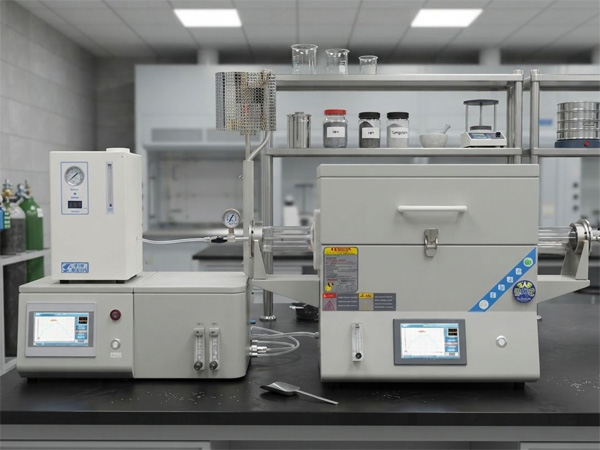
The Role of Muffle Furnaces in Ceramic Sintering
Sintering is the process of compacting and forming a solid mass of material using heat without melting it to the point of liquefaction. For ceramic sintering, the muffle furnace provides:
- Stable, uniform temperatures that promote grain growth and densification
- Precise temperature ramping and soaking control to study different sintering stages
- Clean atmosphere (air or inert) to prevent oxidation or contamination
- Consistent repeatability for comparing different ceramic formulations
Common ceramic materials sintered in R&D labs include alumina, zirconia, silicon carbide, and advanced composites used in electronics, biomedical implants, and energy devices.
How Muffle Furnaces Support Metal Sintering in R&D
For metals and metal composites, muffle furnaces support sintering by delivering:
- Controlled heating rates to avoid thermal shock and distortion
- Decarburization or reduction atmospheres when used with controlled gas flow systems
- Post-processing of metal injection molded (MIM) parts
- Heat treatment of metal powders developed for additive manufacturing
Muffle furnaces are widely used in research involving stainless steels, copper alloys, titanium-based materials, and other high-performance metals that require exact thermal profiles for optimal microstructural development.
Key Features for R&D Applications
To meet the strict requirements of R&D labs, modern muffle furnaces are equipped with features such as:
- Programmable PID temperature controllers with multiple heating segments
- High-temperature accuracy and uniformity (±1°C or better in controlled zones)
- Data logging and PC connectivity for experimental tracking
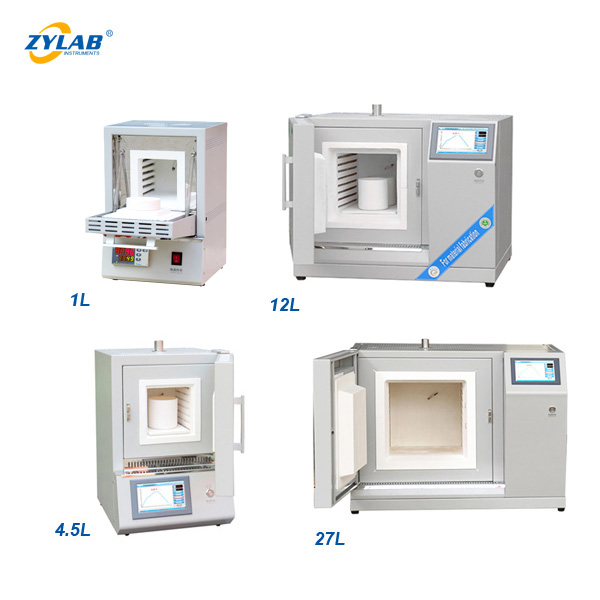
- Customizable chamber sizes to accommodate different sample geometries
- Optional atmosphere control systems for air-sensitive materials
Why Choose a Muffle Furnace for Lab-Scale Sintering?
Compared to larger industrial sintering systems, muffle furnaces offer:
- ✅ Cost-effective operation for small-batch and prototype work
- ✅ Quick heating and cooling cycles suitable for time-sensitive research
- ✅ Ease of use and maintenance
These advantages make muffle furnaces indispensable for universities, national labs, and private-sector R&D centers.
Conclusion
Muffle furnaces play a crucial role in enabling precise, repeatable sintering of ceramics and metals in research environments. Their ability to deliver controlled heating conditions, clean atmospheres, and high temperature uniformity makes them ideal for experimental work, material innovation, and academic studies.
As materials science continues to advance, the demand for high-performance lab-scale furnaces grows. At ZYLAB, we offer a full line of high-temperature muffle furnaces tailored for R&D, with customization options to meet the unique needs of your laboratory.
Explore ZYLAB’s Muffle Furnace Series → Muffle Furnace Collection
📩 Contact us to learn how our furnaces can support your research.