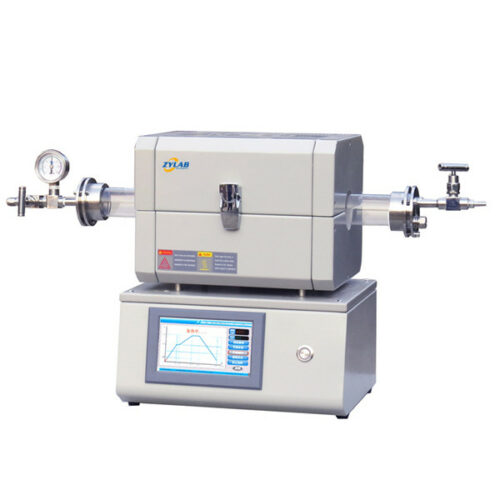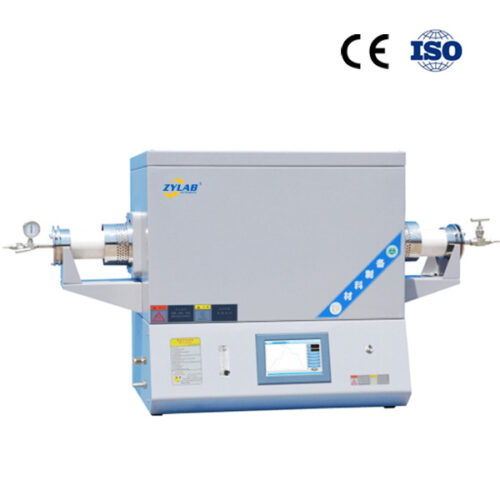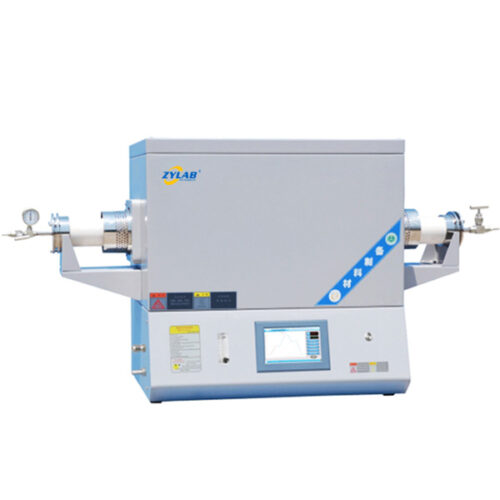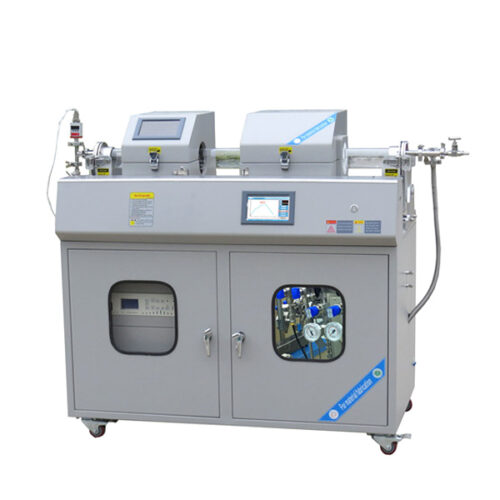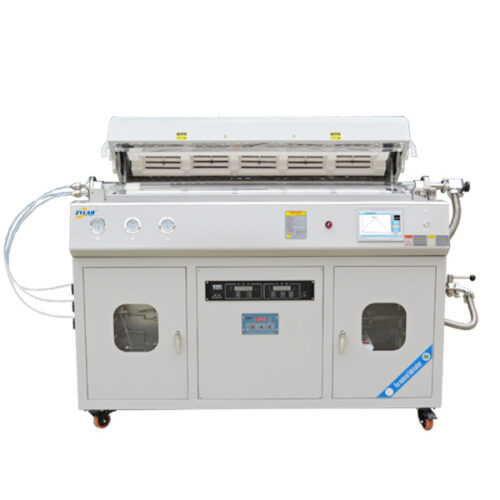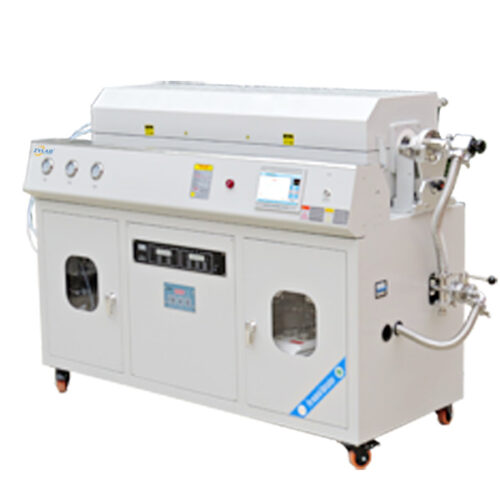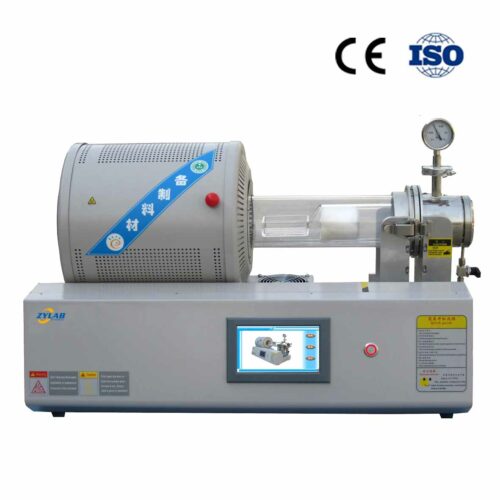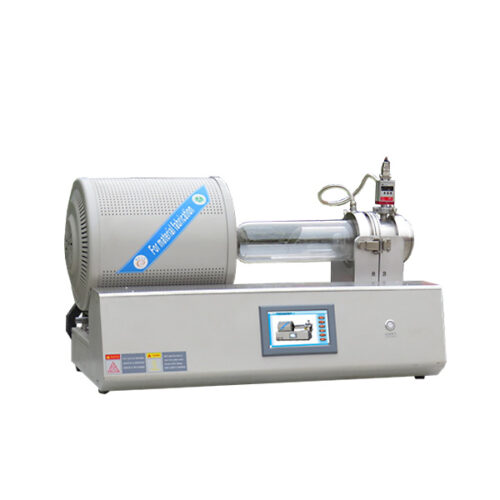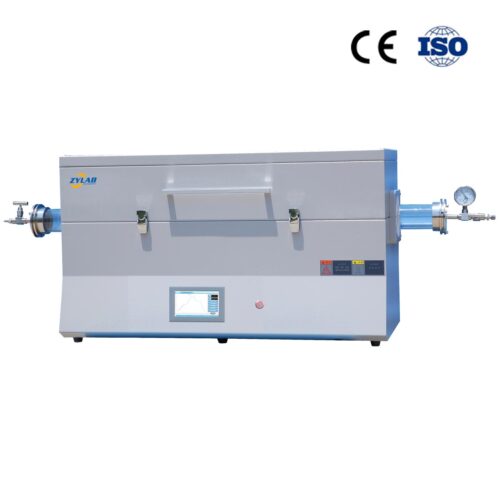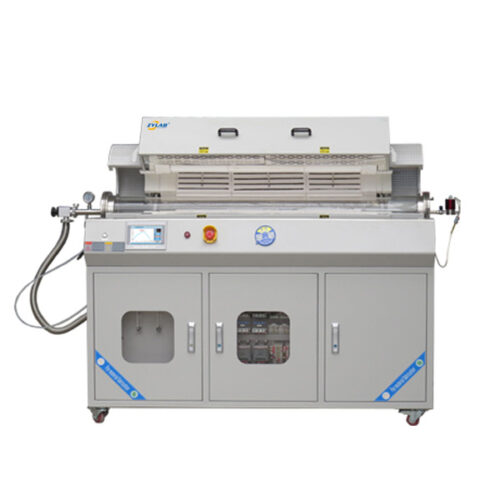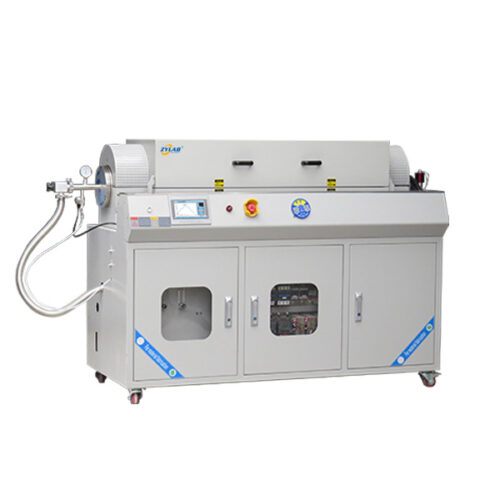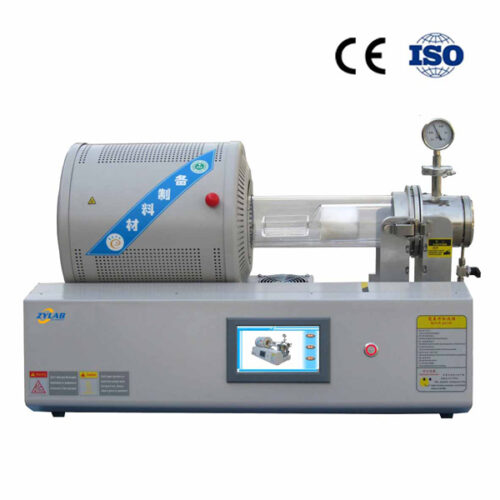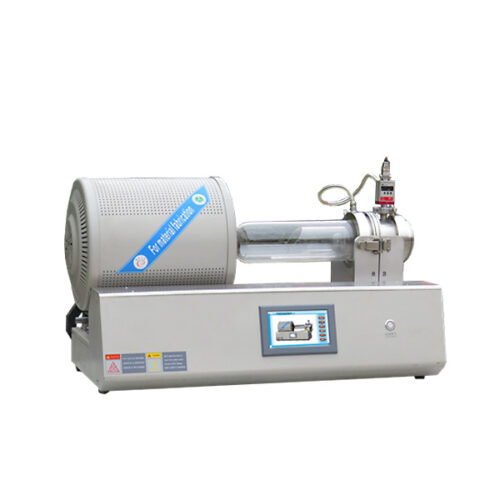
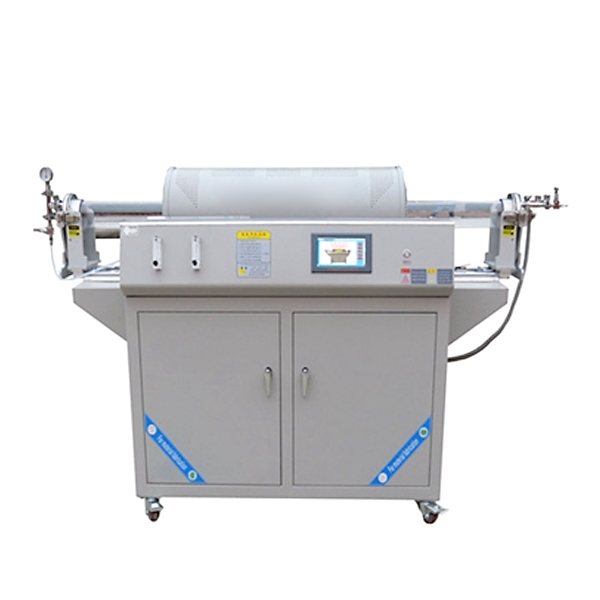
Dual Temperature Rapid Annealing Slide Furnace
Introduction:
The furnace of this dual-temperature rapid annealing slide rail furnace can automatically move left and right according to the set requirements. The moving speed can be manually adjusted and the temperature field can be changed at any time. The furnace chamber on one side moves directly to the sample placement area after reaching the set temperature, thereby achieving rapid heating. The speed can reach 140℃/min. After sintering, the furnace chamber moves away from the sample placement area, thereby achieving rapid cooling of the sample. The cooling rate can reach 200~50℃/min from 300℃ to 1200℃.
Main Features of Rapid Annealing Furnace:
- Double-layer steel structure;
- High-purity Al2O3 fiber refractory insulation material for maximum energy saving;
- High-purity alumina coating on refractory ceramics to extend service life;
- Alumina tube plugs can help you establish custom temperature gradients within the tubes.
Technical Parameters:
| Model | CMT1200-100IIT | ||||||
| Power supply | AC240-400V 50/60Hz 8KW | ||||||
| Max.temp | 1200 ℃(<1hour) | ||||||
| Working temp | 1100 ℃ (Continuing) | ||||||
| Heating rate | ≤ 20 ℃/min | ||||||
| Heating length | 400 mm *2 | ||||||
| Tube size | Φ100*2000mm(optional:Φ80*2000mm) | ||||||
| Control system | ![]() |
1.Can store up to 15 temperature profiles in advance, avoiding the hassle of repetitive setup for different experimental processes.
2.Provides a more intuitive experimental process and facilitates easier operation. 3.Embedded operating system with an English-Chinese interchangeable graphical interface, featuring a 7-inch full-color touchscreen input, intelligent human-machine dialogue mode, and non-linear sample temperature correction. 4.Equipped with protection functions such as over-temperature alarm, disconnection thermocouple prompt, and leakage protection. |
|||||
| Temp accuracy | +/- 1 ℃ | ||||||
| Heating element | ![]() |
Mo-doped Fe-Cr-Al alloy | |||||
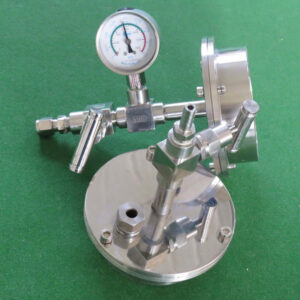
| Sealing system | ![]() |
||||||
| vacuum:≤10Pa (mechanical pump) | |||||||
| Pressure measurement and monitoring | ![]() |
Use a mechanical pressure gauge with shock-absorbing oil to prevent damage to the pressure gauge pointer. | |||||
| Gas system | ![]() |
It is controlled by a float flowmeter and is integrated with the equipment for easy control. Air leakage testing has been carried out before leaving the factory. | |||||
| Net weight | 400KG | ||||||
| Usage Notes | 1. Do not open the furnace when the furnace temperature is ≥300°C to avoid injury.
2. During device operation, the pressure inside the furnace tube must not exceed 0.125 MPa (absolute pressure) to prevent equipment damage. 3. When operating under vacuum, the device operating temperature must not exceed 800°C. 4.The internal pressure of the gas supply steel cylinder is relatively high. When gas is introduced into the furnace tube, a pressure reducing valve must be installed on the gas cylinder. It is recommended to use a low-pressure reducing valve for experimental purposes, with a pressure range of 0.01 MPa to 0.15 MPa, for more precise and safe operation. 5.When the furnace body temperature is above 1000°C, the furnace tube must not be in a vacuum state. The pressure inside the furnace tube needs to be equivalent to atmospheric pressure, maintaining it at atmospheric pressure. 6.The long-term usage temperature of high-purity quartz tubes should be ≤1100°C. 7.During heating experiments, it is not recommended to close the exhaust valve and intake valve at the flange end of the furnace tube. If it is necessary to close the valve for sample heating, the pressure gauge reading must be monitored continuously. If the absolute pressure gauge reading exceeds 0.15 MPa, the exhaust valve must be opened immediately to prevent accidents such as furnace tube rupture or flange detachment. |
||||||
| Service Support | 1-year quality guarantee with lifelong support (consumable parts such as furnace tubes and O-rings are not covered under warranty) | ||||||
Applications:
The dual temperature rapid annealing slide furnace finds applications in various industries and research fields where precise control over temperature profiles and rapid thermal processing are essential. Some of its applications include:
- Material Science Research: Used for annealing, sintering, and heat treatment of materials such as metals, ceramics, and composites. It allows researchers to study the effects of different thermal treatments on material properties.
- Semiconductor Manufacturing: Employed in the fabrication of semiconductor devices where precise thermal processing is crucial for doping, diffusion, oxidation, and other processes involved in semiconductor production.
- Thin Film Deposition: Utilized for annealing thin films deposited on substrates to improve film quality, crystallinity, and adhesion.
- Photovoltaics: Applied in the production of solar cells and modules for annealing and crystallization of semiconductor materials like silicon.
- Microelectronics: Used for the manufacturing of microelectronic devices such as integrated circuits (ICs), where controlled heating and cooling processes are necessary for device fabrication.
- Research and Development: Supports R&D activities in various fields including materials science, chemistry, physics, and engineering by providing a versatile platform for thermal processing experiments.
- Optoelectronics: Applied in the fabrication of optoelectronic devices such as LEDs, lasers, and photodetectors, where precise control of thermal processing parameters is critical for device performance.
- Nanotechnology: Utilized for annealing and processing nanomaterials and nanostructures, enabling the fabrication of nanoscale devices and exploring their unique properties.
- Biomedical Applications: Used in the sterilization of medical instruments and devices, as well as in research related to biomaterials and tissue engineering.
- Heat Treatment: Employed in various industrial sectors for heat treatment processes such as tempering, aging, and stress relieving of metallic components.
Benefits of Rapid Annealing Furnace:
The dual-temperature rapid annealing slide furnace offers several benefits over traditional annealing furnaces, thanks to its advanced design and capabilities:
- Increased Efficiency: By providing rapid heating and cooling rates, the furnace reduces processing times, leading to higher throughput and improved efficiency in production or research processes.
- Enhanced Control: The ability to set and adjust temperature profiles precisely allows for tailored thermal treatments, ensuring optimal material properties and performance for specific applications.
- Versatility: The furnace can accommodate a wide range of materials and sample sizes, making it suitable for diverse applications across industries such as semiconductor manufacturing, materials science research, and nanotechnology.
- Energy Savings: The use of high-purity Al2O3 fiber refractory insulation and advanced heating elements minimizes heat loss and energy consumption, contributing to cost savings and environmental sustainability.
- Extended Service Life: The furnace’s double-layer steel structure and high-purity alumina coatings on refractory ceramics enhance durability and longevity, reducing maintenance requirements and downtime.
- Customizable Temperature Gradients: The inclusion of alumina tube plugs enables users to establish custom temperature gradients within the tubes, facilitating complex thermal processing and experimentation.
- Improved Sample Uniformity: The sliding mechanism allows for uniform exposure of samples to heat, ensuring consistent annealing or processing across the entire sample area.
- Ease of Operation: The furnace features user-friendly controls for setting temperature profiles, adjusting heating and cooling rates, and monitoring process parameters, making it accessible to both experienced technicians and researchers.
- Advanced Research Capabilities: Researchers benefit from the furnace’s rapid thermal processing capabilities, enabling the investigation of dynamic material behaviors and kinetics under various temperature conditions.
- Quality Assurance: The precise control and monitoring of temperature parameters reduce the risk of overheating or underheating, ensuring the quality and reliability of processed materials or components.