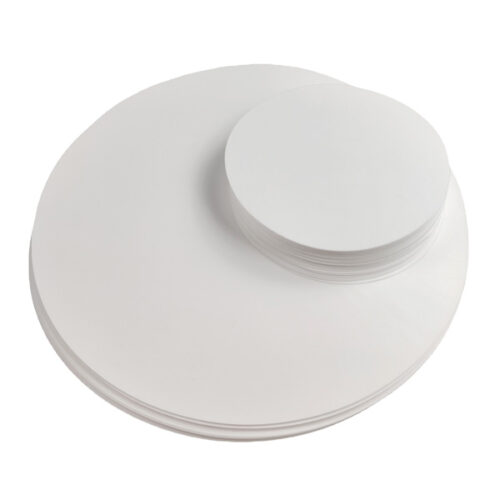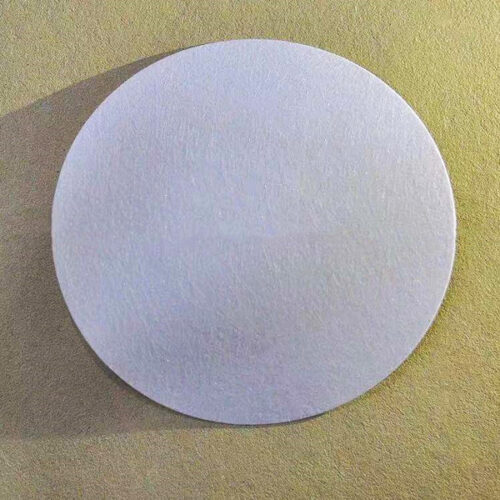
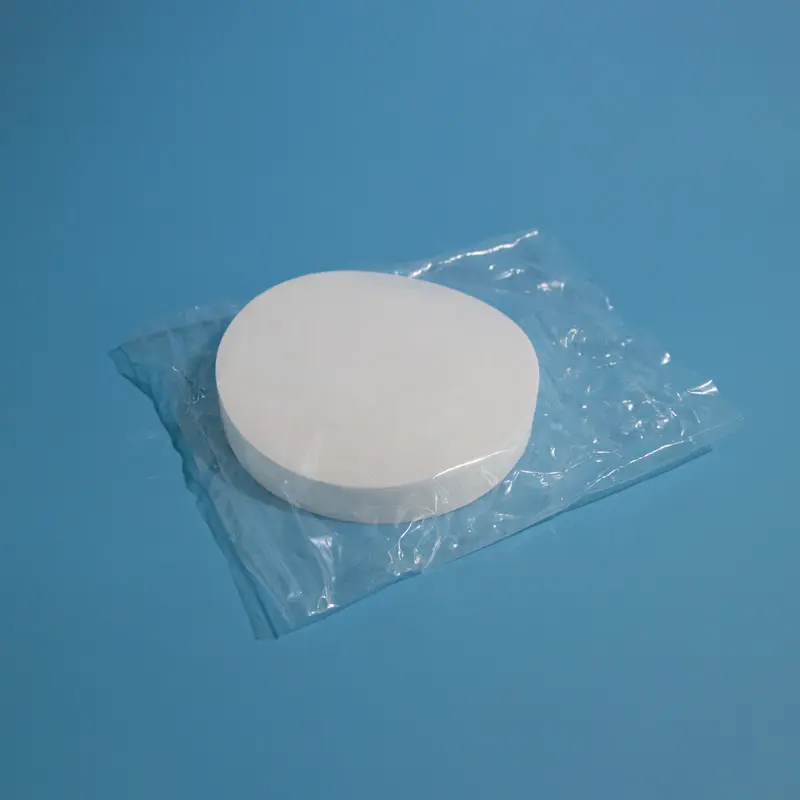
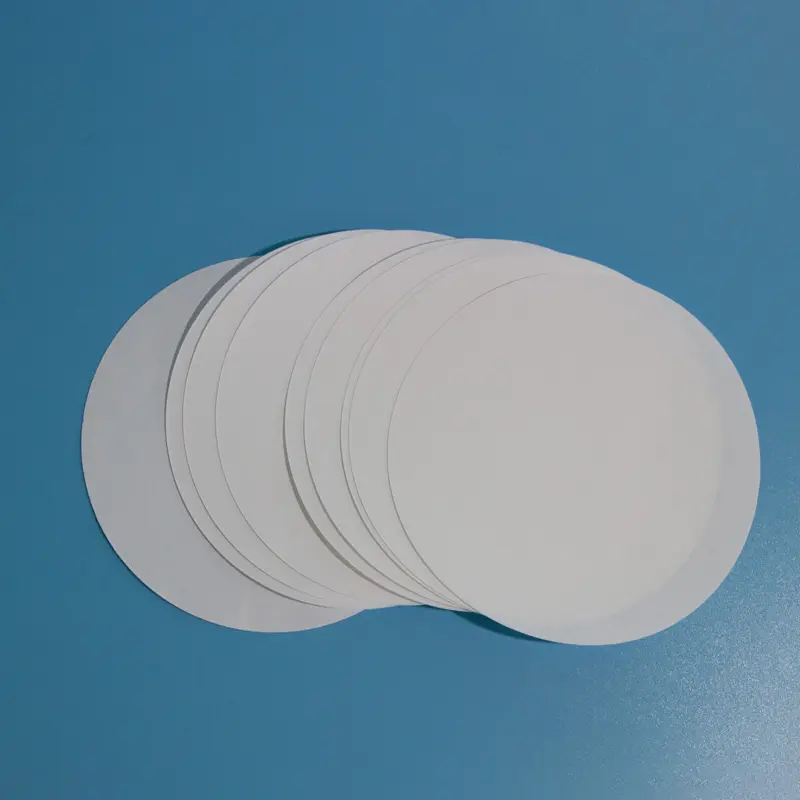

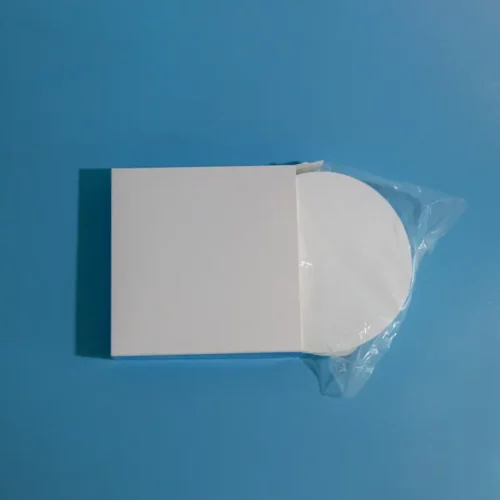
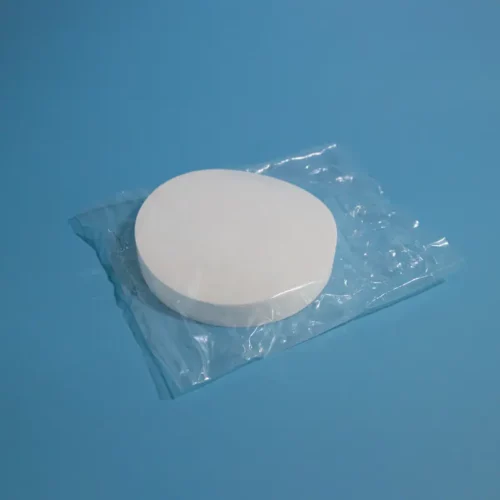
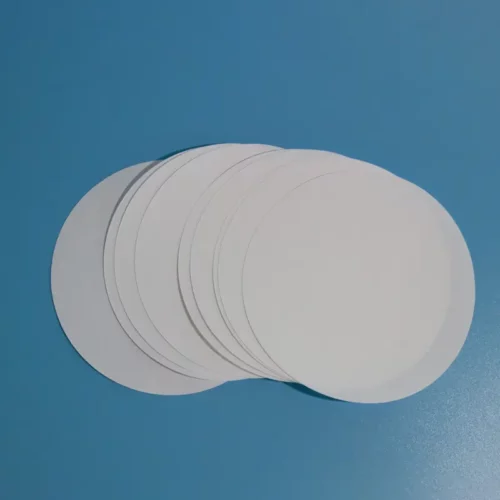

Laboratory Qualitative Filter Paper for Filtration
Introduction
Key Characteristics
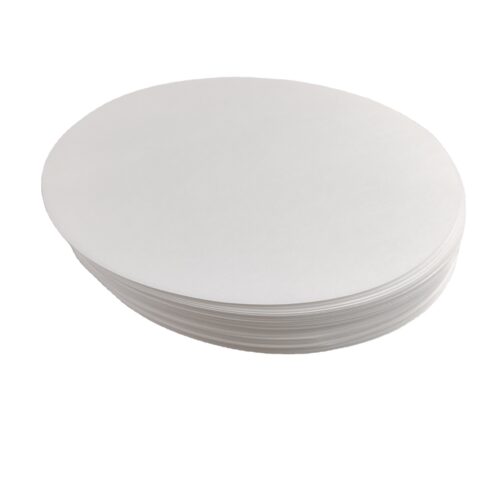
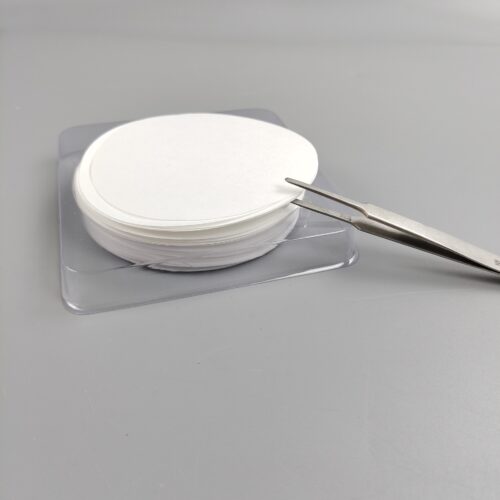
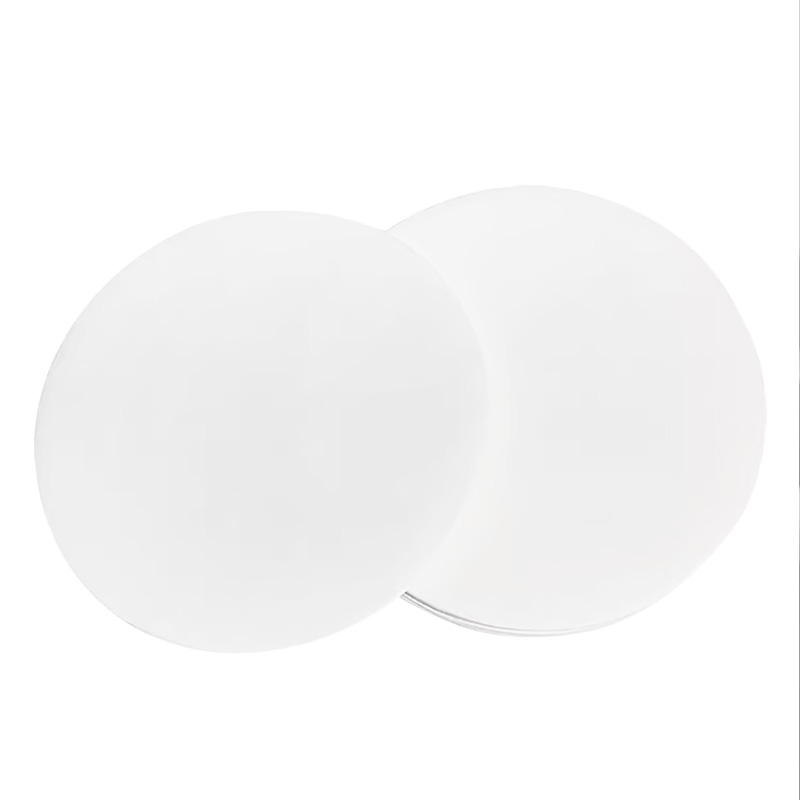
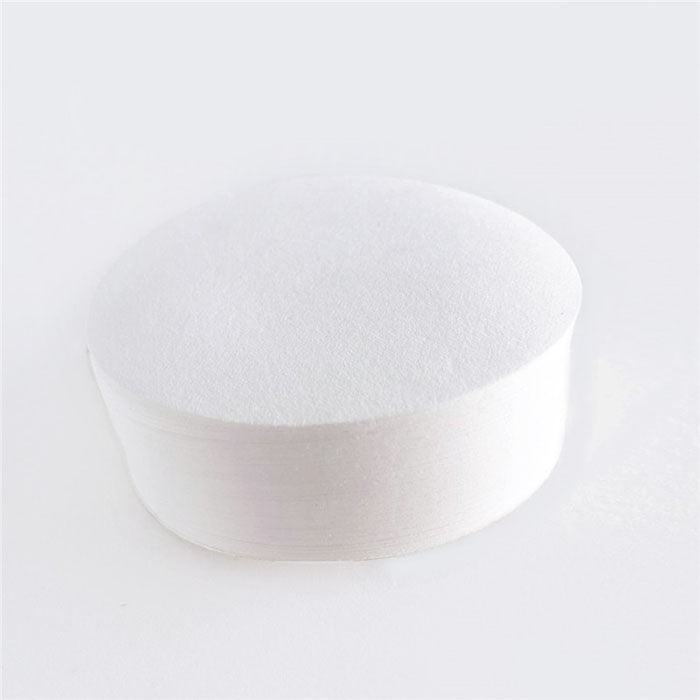
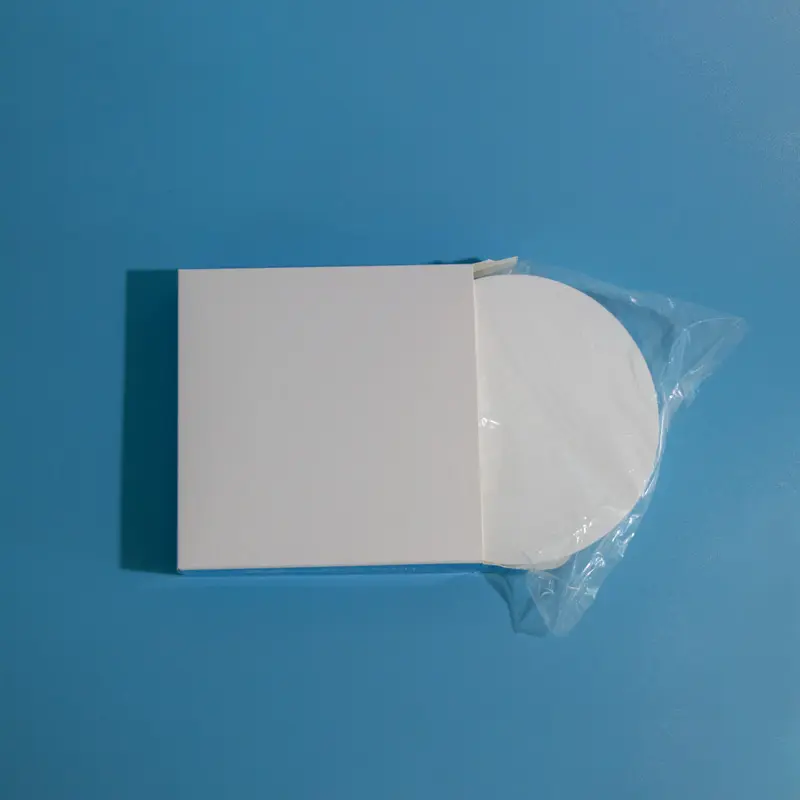
1. Particle Retention: Qualitative filter paper is designed to retain particles of various sizes, allowing the separation of solids from liquids.
2. Filtration Speed: It is generally faster than quantitative filter paper, making it suitable for routine laboratory procedures where quick separations are sufficient.
3. Pore Size: Available in different pore sizes to accommodate a range of particle sizes.
4. Thickness: Can be thicker than quantitative filter paper, providing additional support for heavier particles.
Specifications of ZYLAB Qualitative Filter Paper
Flow Rate:
Fast <35s
Medium 35-70s
Slow 70-140s
Pore Size:
3-4um
7-8um
10-12um Fast <35s
Fields
- Laboratory Filtration
- Pharmaceuticals
- Chemical Processing
- Food and Beverage
- Water and Wastewater Treatment
- Mining and Minerals Processing
Applications
1. Qualitative Analysis: Used in general qualitative laboratory procedures to separate and identify substances in a sample.
2. Decanting Liquids: Ideal for separating liquid from solid particles in a solution.
3. Separation of Precipitates: Often used to collect and separate precipitates formed during chemical reactions.
4. Gravimetric Analysis: Suitable for initial separations in gravimetric analysis, where the focus is on qualitative identification rather than precise measurement.
5. Routine Filtration: Widely employed in routine laboratory tasks where the speed of filtration is more critical than precise measurements.
6. Sample Preparation: Used for sample preparation before further analysis in techniques such as chromatography or spectroscopy.
7. General Laboratory Filtration: Applicable in various laboratory procedures where the primary goal is to separate components without the need for high precision.
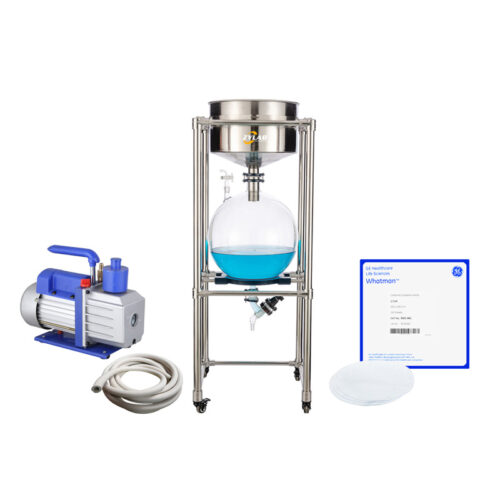
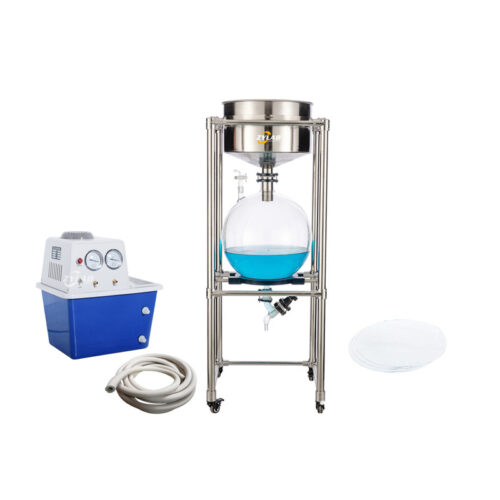
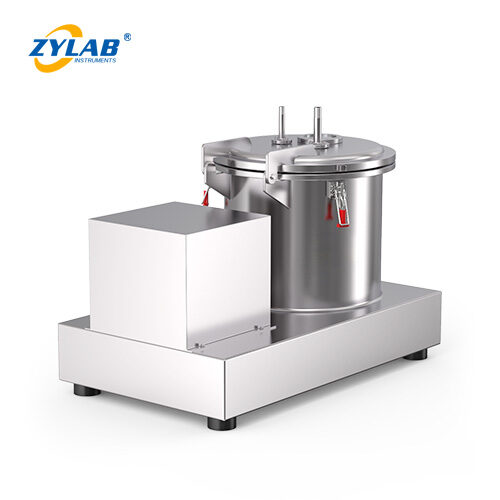
Optional Turnkey Solution
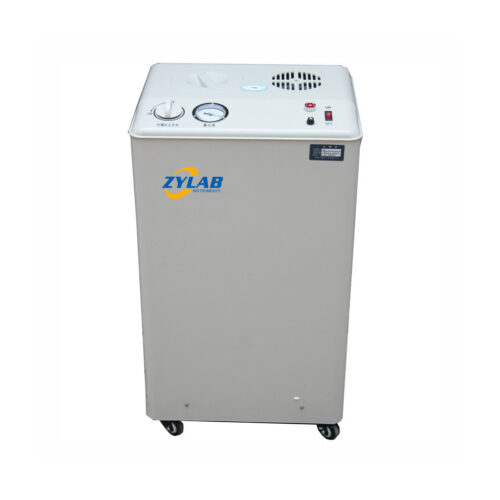
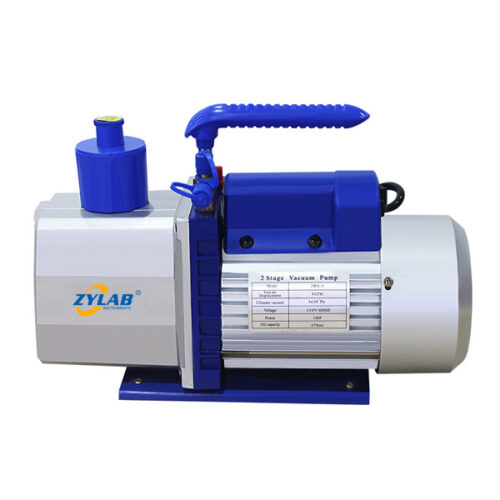
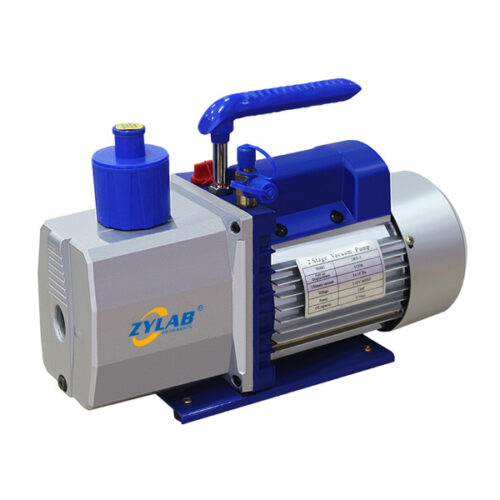
Vacuum Pump
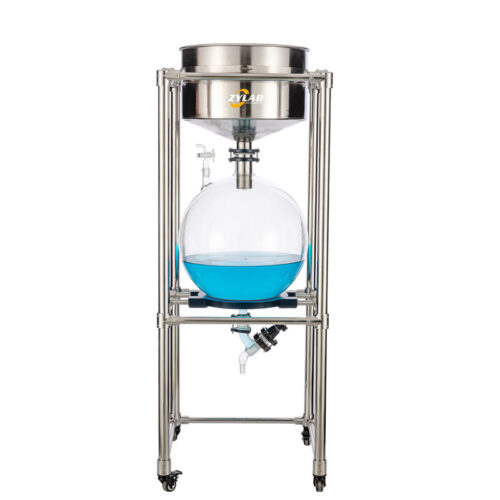
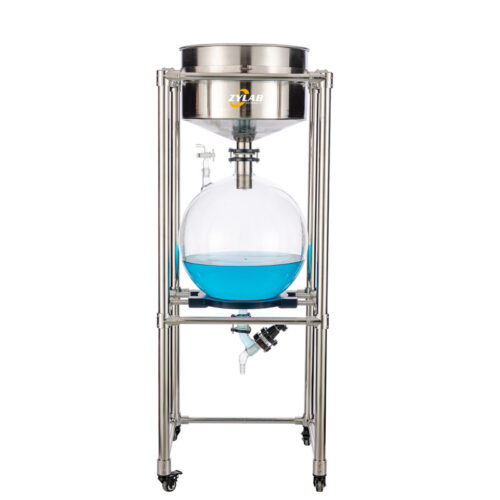
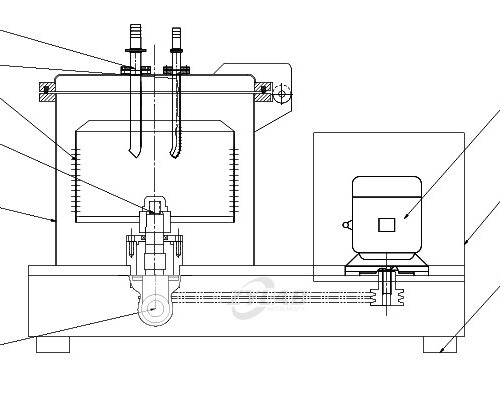
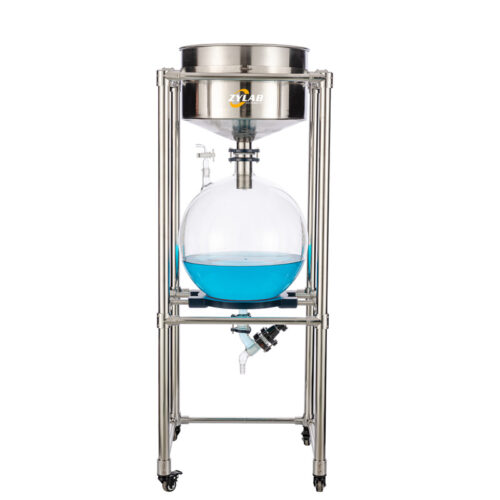
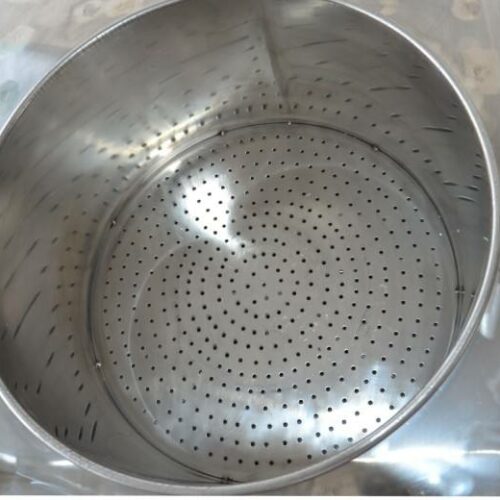
Vacuum Filter
Discover More about ZYLAB Filtration
Dive into our blog articles to explore the latest insights and information on lab filtration.