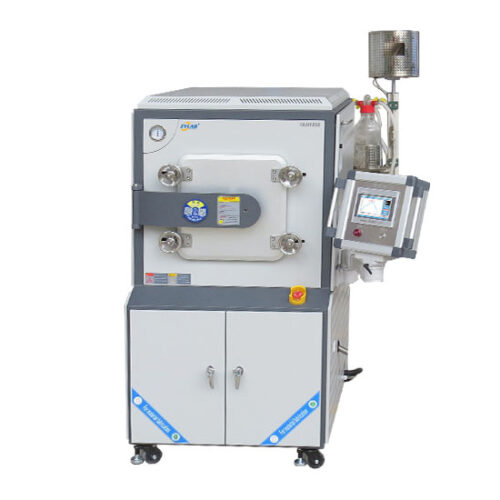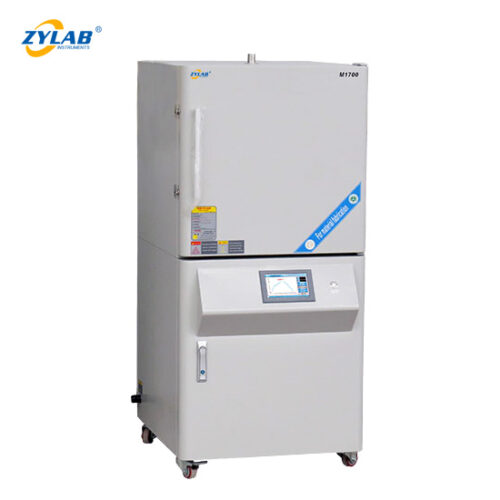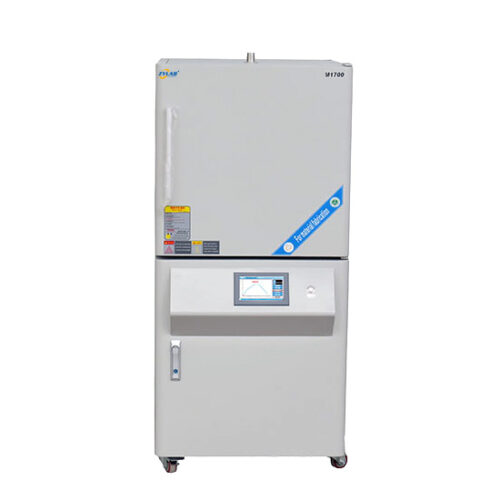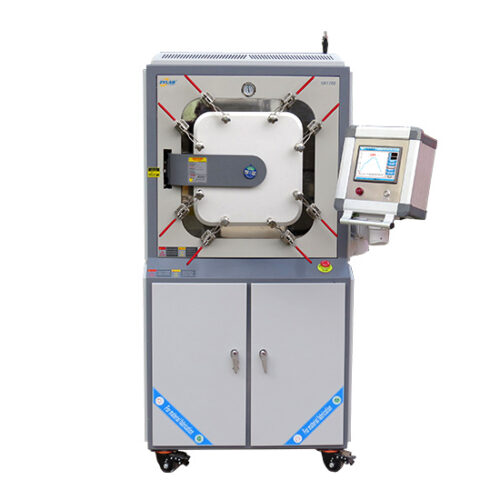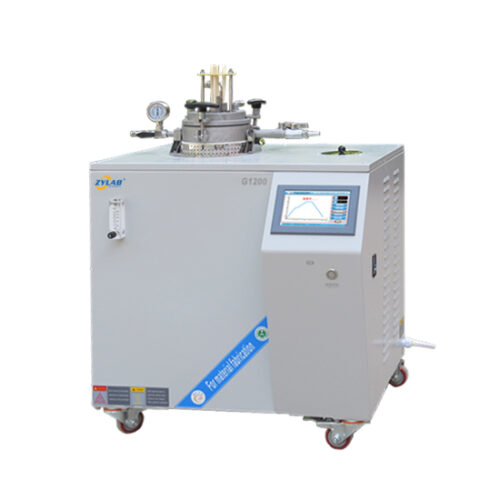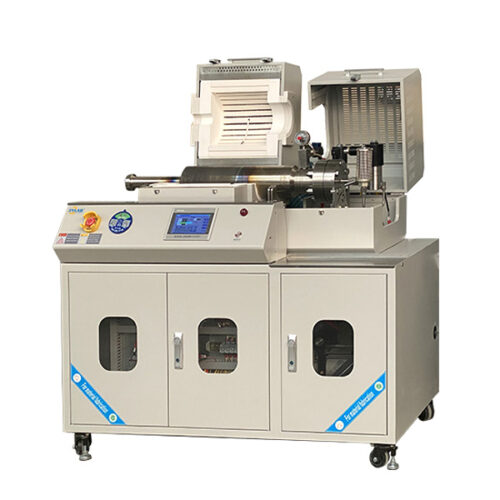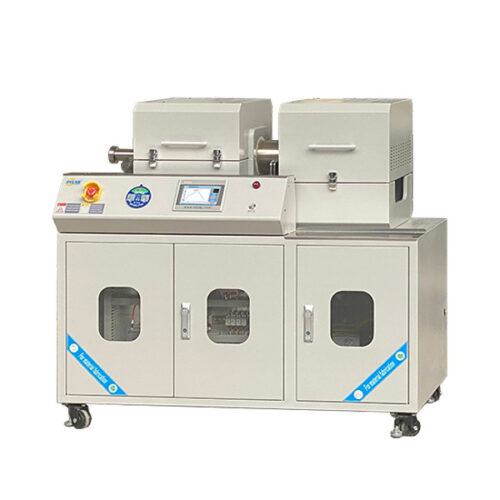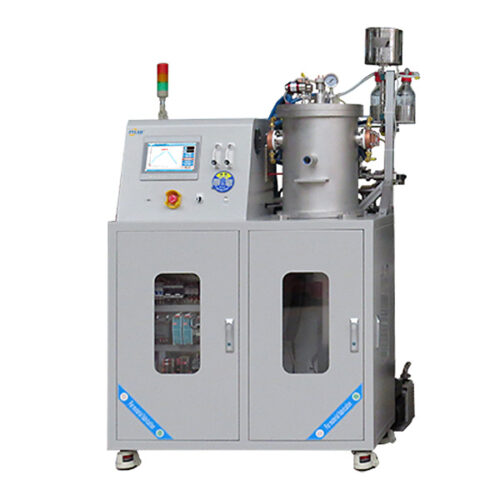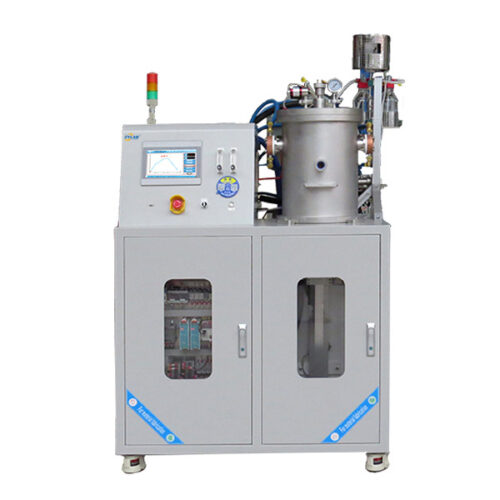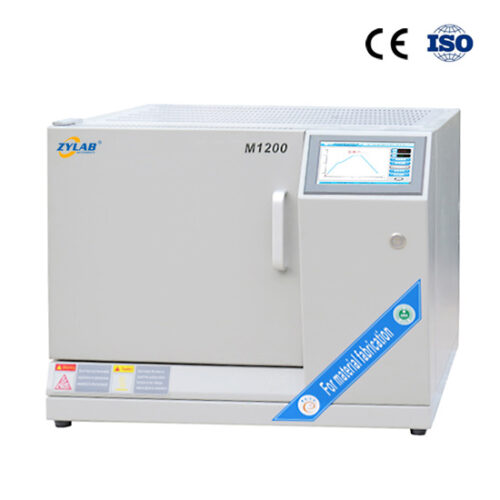
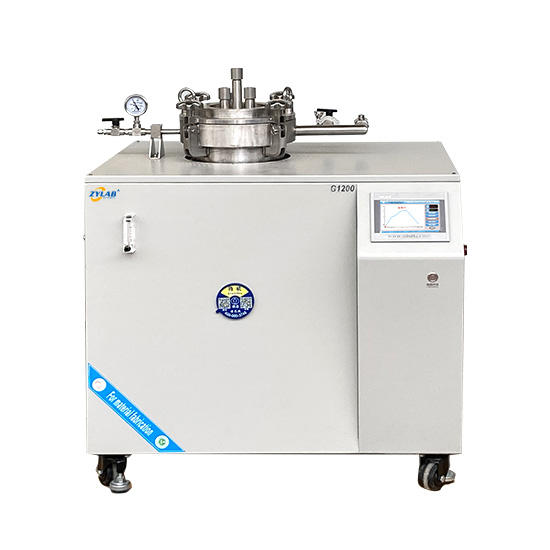
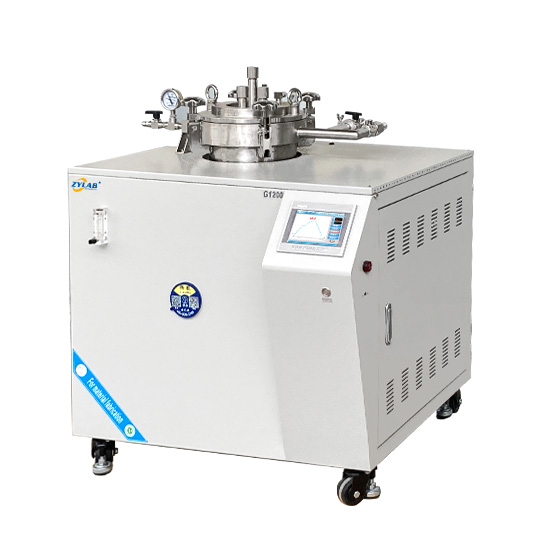
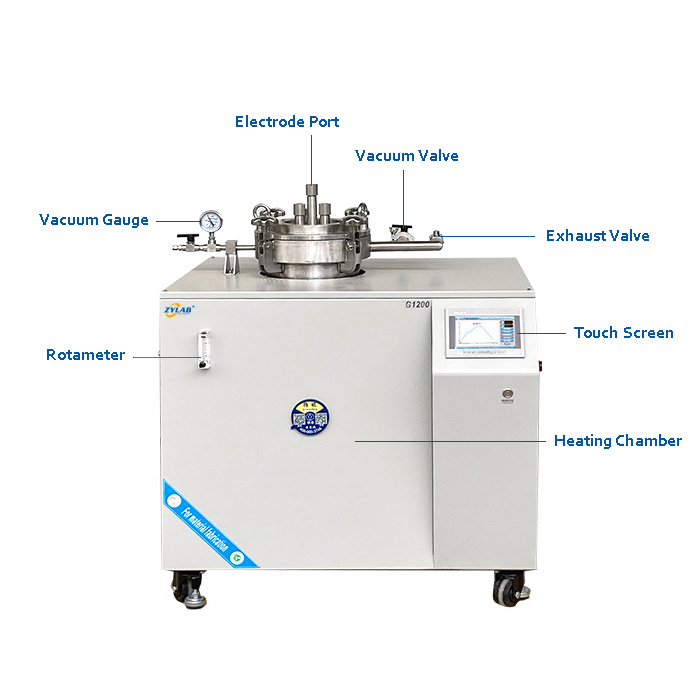
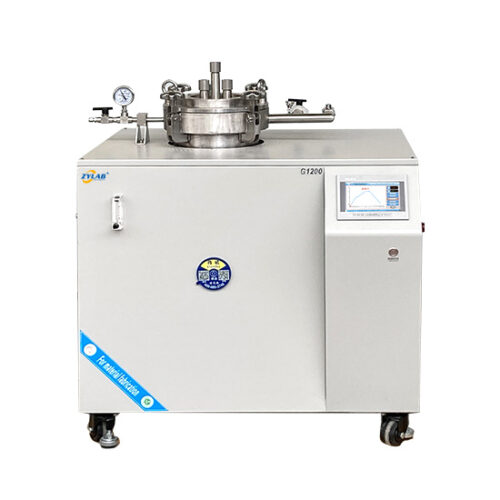
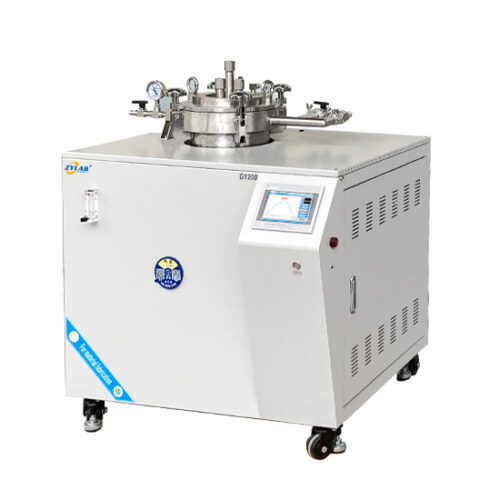
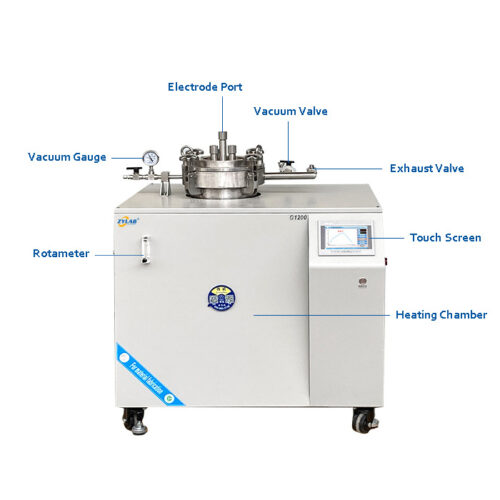
ZYLAB Vacuum Molten Salt Electrolysis Furnace
Introduction
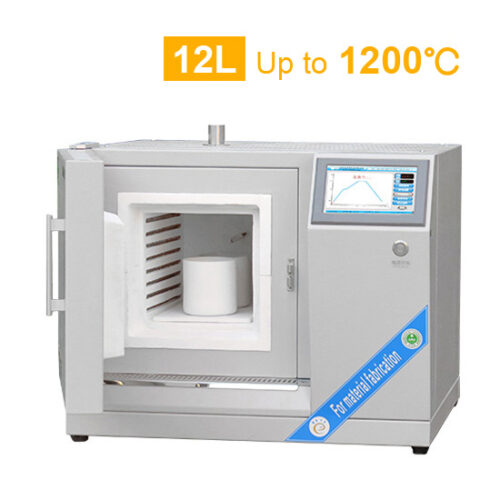
The ZYLAB Vacuum Molten Salt Electrolysis Furnace is a high-performance system specifically designed for molten salt electrochemical processes. Built for advanced research in electrometallurgy, high-temperature electrolysis, and ionic conductivity studies, this furnace provides a stable and controllable environment for precision electrochemical reactions at elevated temperatures.
Molten salts, as high-temperature ionic conductors, offer a wide electrochemical window and fast reaction kinetics—making them ideal electrolytes for electrochemical metallurgy. The electrolysis of aluminum is one of the most successful examples of this technology.
Key Features
-
High-Temperature Operation: Capable of reaching up to 1200°C, suitable for most molten salt systems including chlorides, fluorides, and carbonates.
-
Stable Power Control: Equipped with a non-contact thyristor control module for smooth, precise operation.
-
Uniform Heating Design: Bottom and annular side heating with embedded alloy heating wires ensures excellent temperature uniformity.
-
Energy-Efficient Insulation: Built with vacuum-formed ceramic insulation, reducing thermal losses and power consumption.
-
Robust Electrolysis Chamber: Made from 310S stainless steel, resistant to oxidation and corrosion under harsh electrochemical conditions.
-
Vacuum & Gas Atmosphere Compatible: Integrated vacuum port (KF25) and gas inlet/outlet connections for controlled atmosphere processing.
-
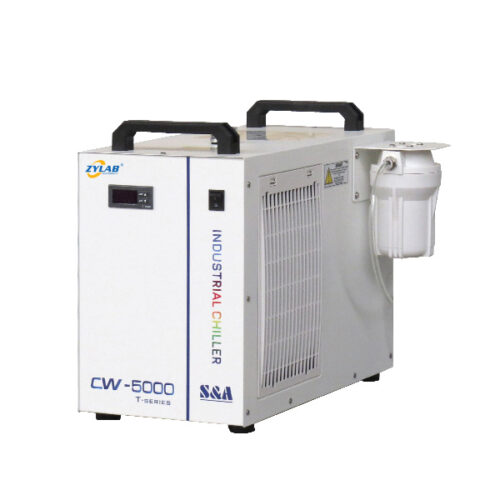
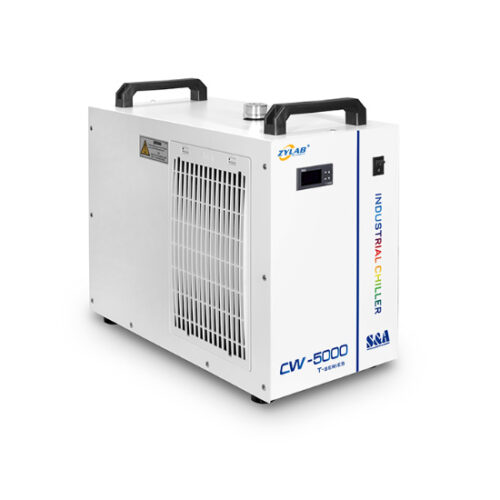
Water-Cooled Seal Structure: Extends seal life and ensures vacuum integrity during prolonged high-temperature operation.
-
Multiple Electrode Ports: Flexible electrode terminal configuration for different electrolysis setups.
Technical Specifications of Vacuum Molten Salt Electrolysis Furnace
| Model | G1200-350 | |
| Power Supply | 3-phase 380V, 50Hz | |
| Rated Power | 16 kW | |
| Max Temperature | 1200°C | |
| Operating Temp | 1150°C | |
| Temperature Accuracy | ±1°C | |
| Heating Method | Bottom + annular heating | |
| Thermocouple Type | K-type, Φ2 × 420 mm | |
| Heating Zone | Φ350 × 420 mm | |
| Furnace Dimensions | 995 × 1200 × 910 mm (L×H×D) | |
| Heating Rate (Recommended) | ≤5°C/min | |
| Electrolysis Voltage | 15 V | |
| Electrolysis Current | 100 A | |
| Vacuum Level | 5–10 Pa (upgradeable with molecular pump) | |
| Gas Inlet | Φ6.35 mm | |
| Exhaust Port | Φ25 mm hose barb | |
| Flow Meter | 60–600 ml/min (float type) | |
| Weight | ~380 kg | |
| Control System |  |
|
| Heating Element | 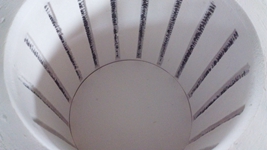 |
Mo-doped Fe-Cr-Al alloy |
| Vacuum Reactor Vessel | 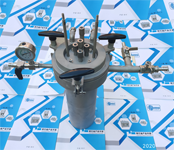 |
High-temperature vessel for molten salt electrolysis |
| Corrosive Gas Preheater (Optional) | 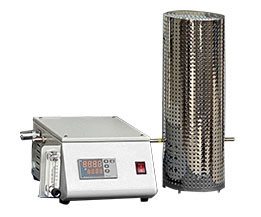 |
Made from 316L stainless steel; suitable for preheating various gases including corrosive types; max. temp. 600°C |
| Warranty & Support | 18 months(not including consumable parts, such as heating elements, thermocouple), lifetime support. | |
Applications of Vacuum Molten Salt Electrolysis Furnace
-
Electrochemical Metallurgy
-
Extraction and purification of reactive and rare metals such as aluminum, magnesium, lithium, titanium, calcium, and uranium.
-
Research and testing of new electrochemical reduction processes for metal oxides and halides.
-
-
High-Temperature Molten Salt Electrolysis
-
Study of electrode reactions and ion transport in molten salt media.
-
Electrolysis of refractory metal compounds under controlled vacuum or inert atmosphere.
-
-
Molten Salt Chemistry & Thermodynamics
-
Investigation of redox behavior, solubility, and decomposition of compounds in molten salts.
-
Determination of thermodynamic data in high-temperature ionic systems.
-
-
Energy Materials Research
-
Development of molten salt batteries, fuel cells, and thermal storage materials.
-
Electrochemical synthesis of ceramic or intermetallic materials for energy applications.
-
-
Advanced Materials Processing
-
High-temperature treatment of materials in aggressive or corrosive environments.
-
Synthesis of nanostructured materials, metallic foams, or composite materials via electrochemical routes.
-
This furnace is widely used in:
-
University research laboratories
-
National key laboratories of metallurgy and electrochemistry
-
R&D departments of advanced material manufacturers
-
Institutes exploring sustainable metal extraction technologies
For More Content
Please read our blog:How Laboratory Molten Salt Electric Heating Furnaces Are Transforming the Aluminum Electrolysis Industry
For More Options on Molten Salt Furnaces
Please visit our website [Molten Salt Furnaces]
For More Options on High Temperature Furnaces
Please visit our website [High Temperature Furnaces Collection]